


Introduction
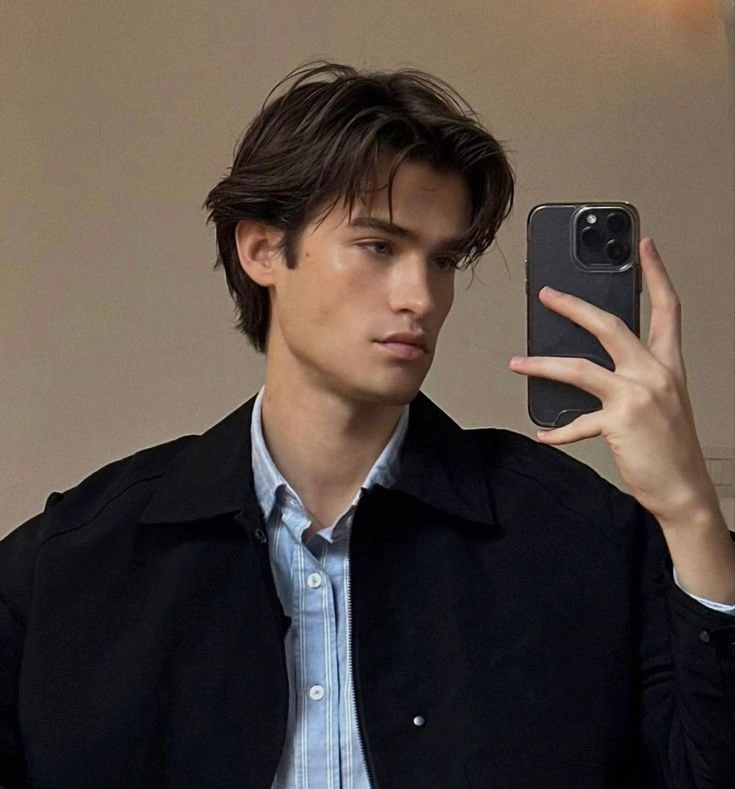
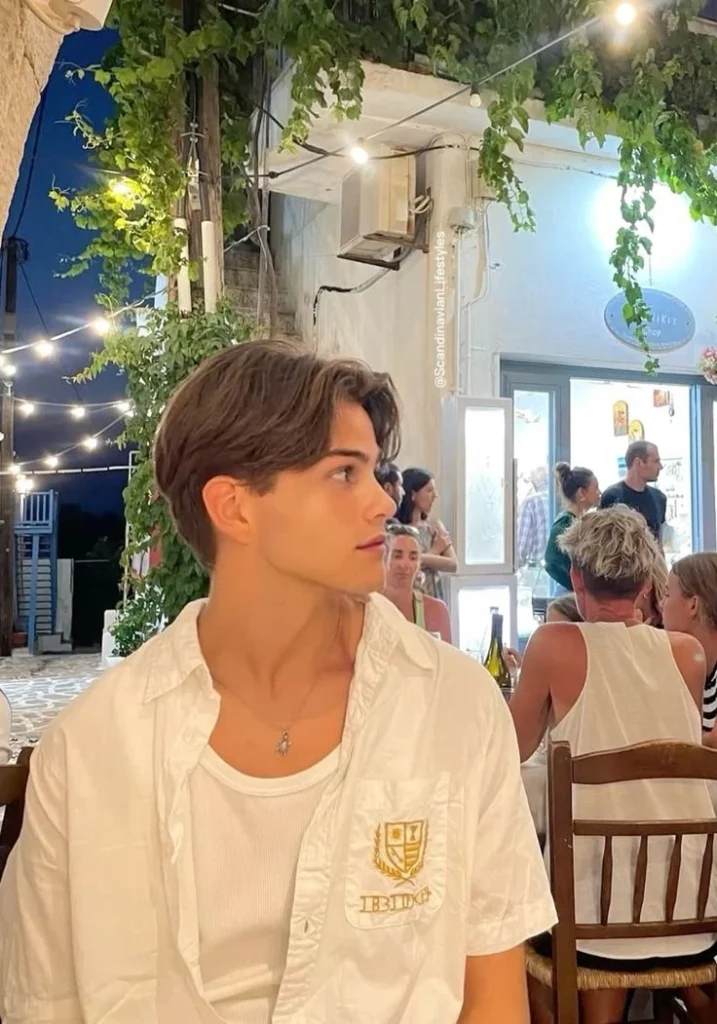
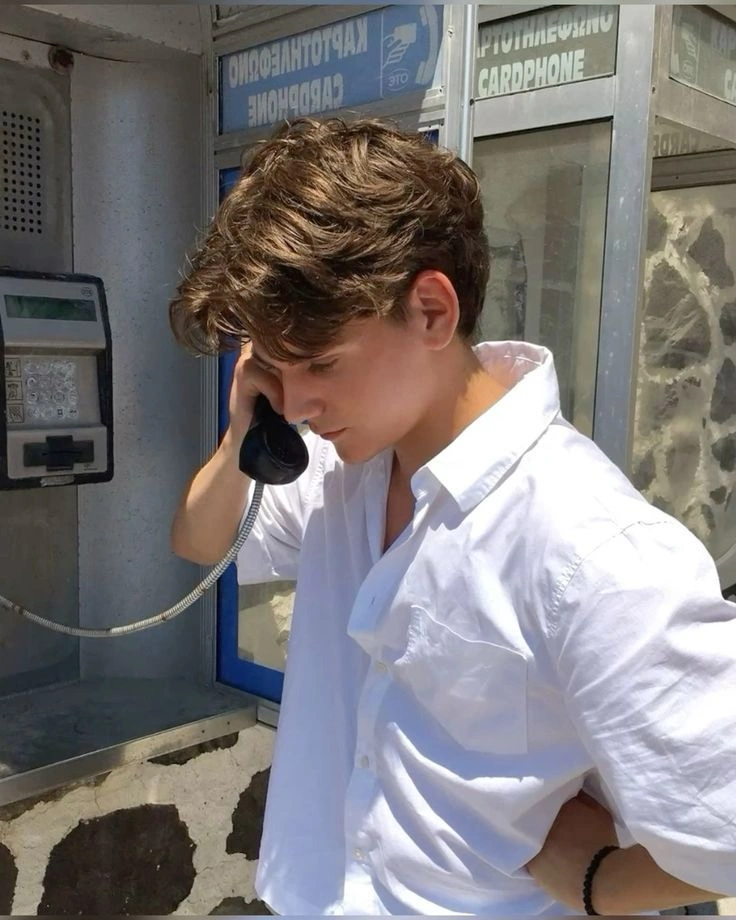
The middle part has returned as one of the most popular men’s hairstyles in 2025. From K-pop stars to Hollywood celebrities, this symmetrical style offers a balanced, versatile look that works across different hair types. This guide covers 25 trending variations and everything you need to know about achieving the perfect middle part.
What is the Middle Part Haircut for Men
Definition
The middle part features hair evenly divided down the center of the head, creating two symmetrical sections that fall to either side of the face. This style typically requires medium to long hair on top with a parting line running from the forehead through the crown. Sides can be left long or trimmed with tapers and fades for modern contrast.
Origins
The middle part gained popularity during the 1990s among grunge musicians and boy bands, becoming synonymous with that era. The style traces back to the 1920s-1930s as the gentleman’s standard. After years of side parts dominating, the middle part resurged around 2019-2020, driven by K-pop culture, TikTok trends, and Gen Z’s embrace of ’90s nostalgia.
Middle Part vs Side Part

- Middle Part: Creates symmetrical balance with hair divided evenly down the center, offers a relaxed contemporary appearance, and works best with medium to long hair.
- Side Part: Features hair swept to one side with defined parting, creates asymmetry, presents traditional formal aesthetic, adapts to shorter lengths.
Trending Middle Part Hairstyles for Men
1. Classic Middle Part
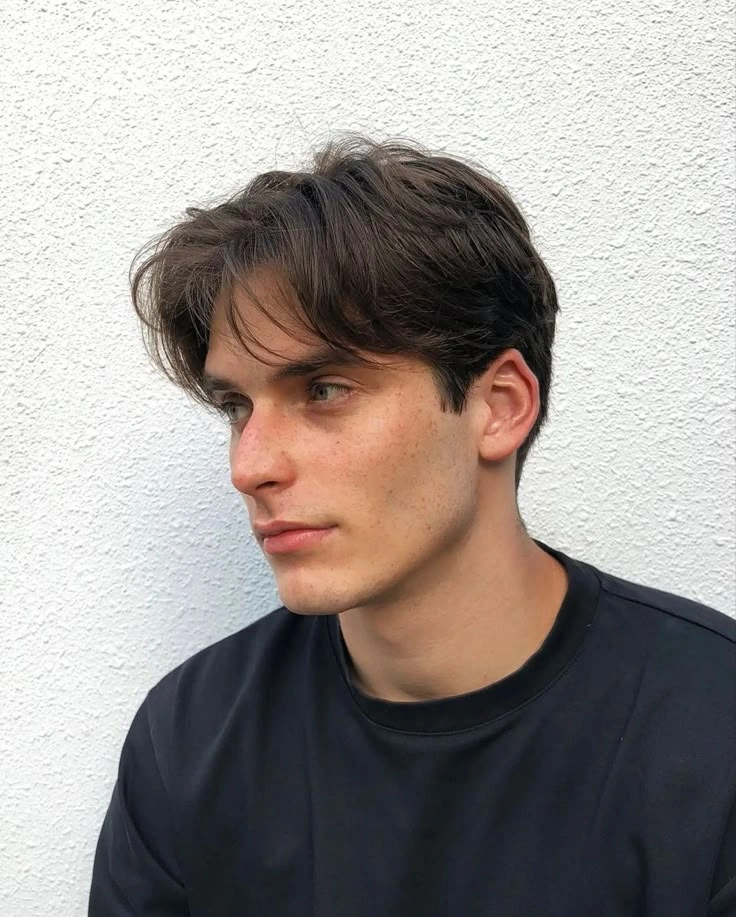
- Traditional center parting with natural, even fall on both sides.
- Timeless look emphasizing simplicity and clean lines.
2. Messy Middle Part

- Intentionally tousled styling with relaxed texture.
- Creates an effortless aesthetic perfect for everyday wear.
- Requires minimal styling while maintaining centered parting.
For another textured, low-effort style, see the French Crop Guide.
3. Short Middle Part

- Center part with shorter overall length (2-4 inches).
- More manageable option for active lifestyles.
4. Long Middle Part
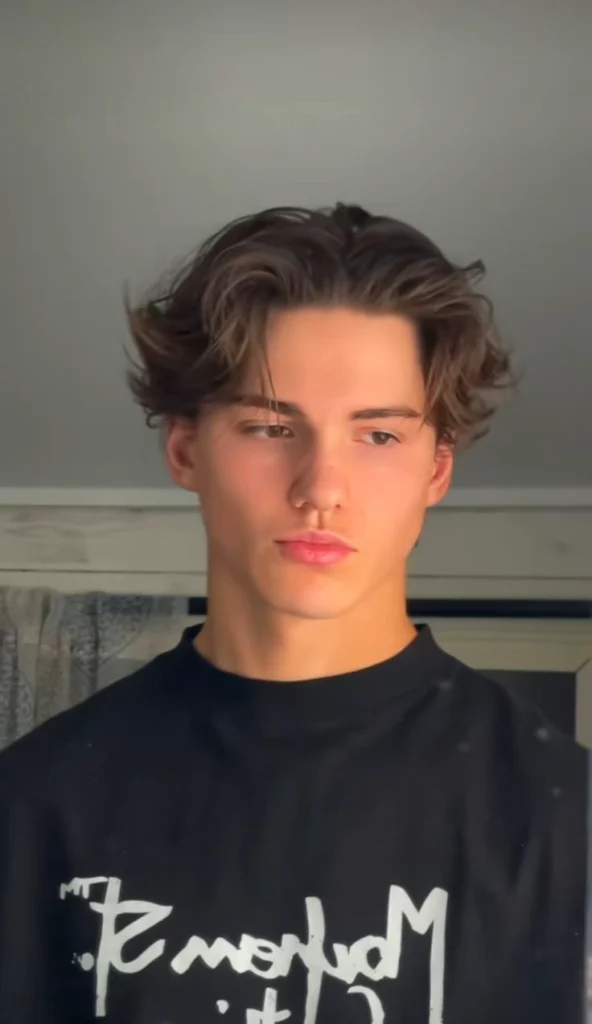
- An extended length (5+ inches) allows a dramatic curtain effect.
- Creates a flowing appearance with maximum movement.
5. Wavy Middle Part
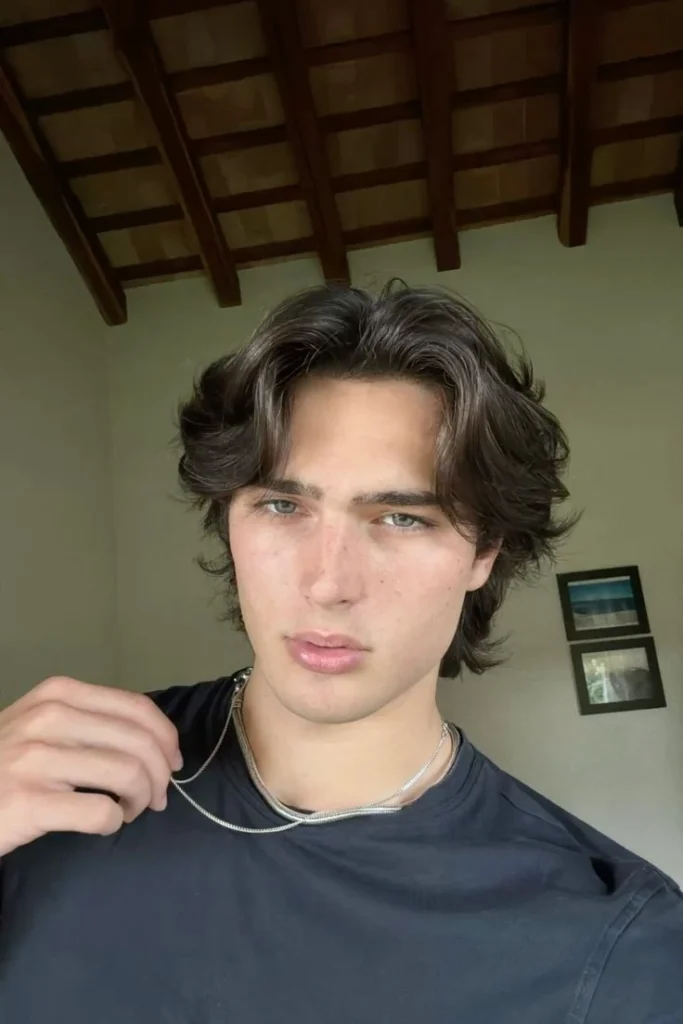
- Natural waves add texture and dimension.
- Enhances volume for beachy, relaxed appearance.
6. Textured Middle Part

- Emphasizes piece-y, separated strands through texturizing.
- Adds modern edge to classic foundation.
7. Middle Part Taper
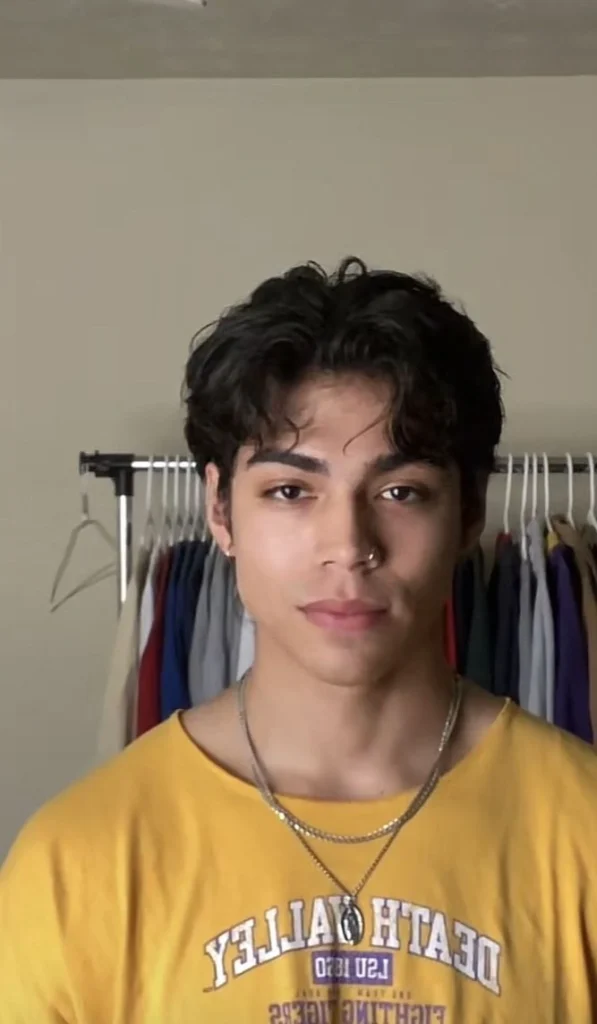
- Center-parted top with tapered sides for a clean transition.
- Ideal for conservative workplaces while maintaining style.
8. Low Taper Middle Part
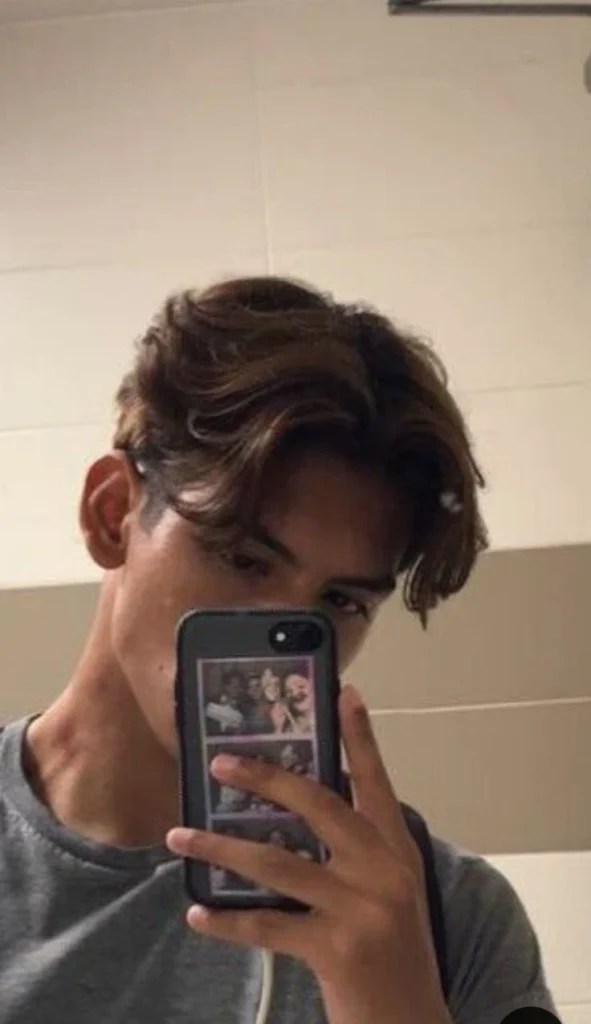
- Subtle taper beginning just above ears.
- Creates refined contrast without dramatic fade.
- Most stylists suggest this for first-time middle part wearers.
9. Korean Middle Part
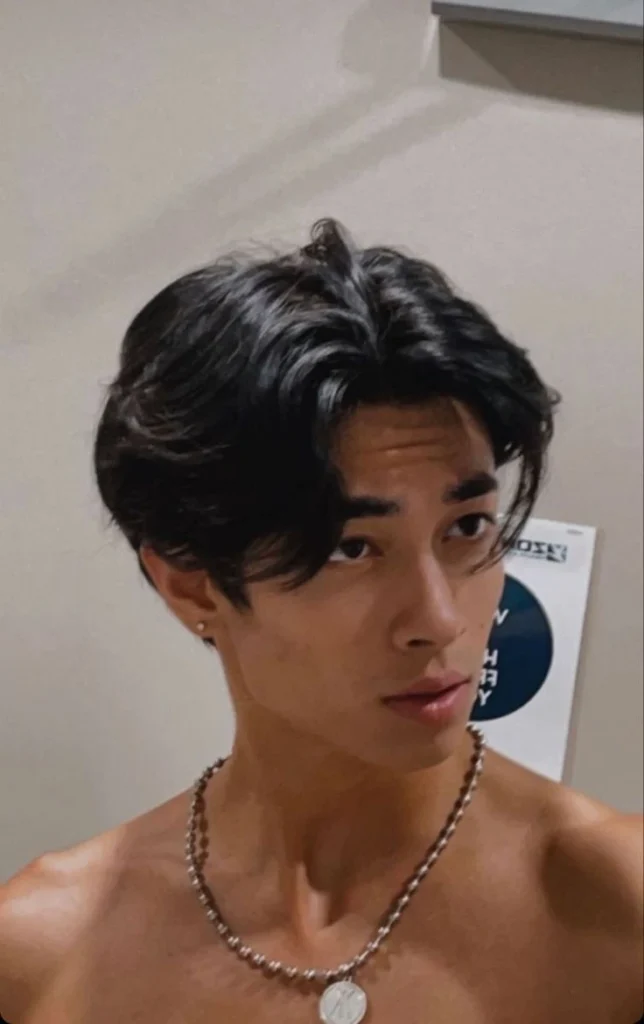
- K-fashion inspired styling with precise, sleek parting.
- Features straighter styling with defined curtain framing.
10. Asian Middle Part
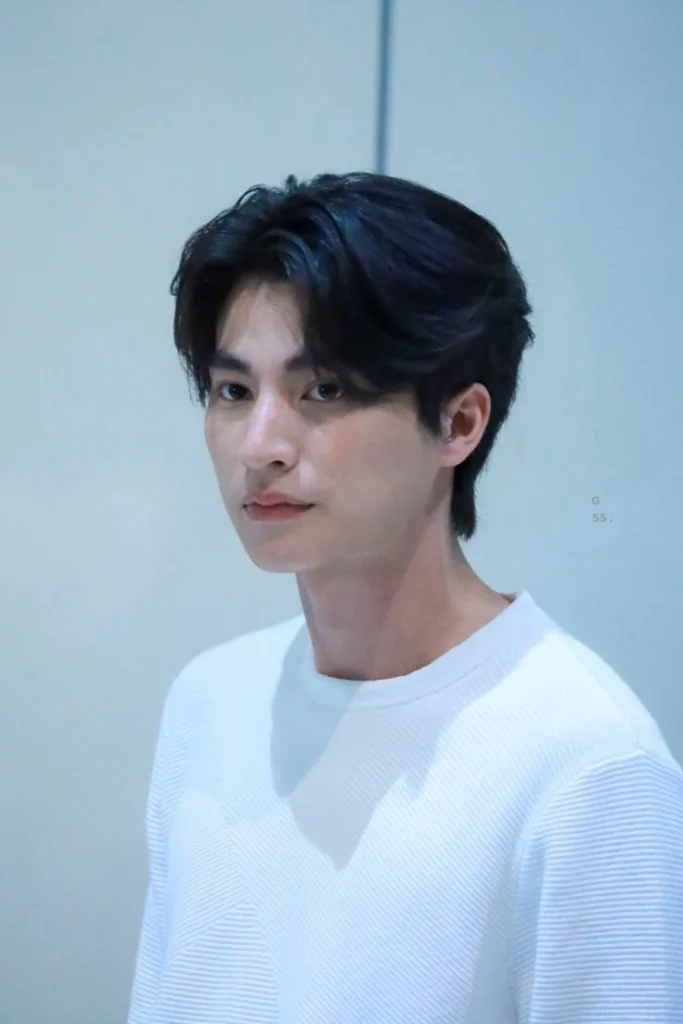
- Leverages naturally thick, straight hair for a structured appearance.
- Creates a strong curtain effect with minimal styling effort.
11. Curly Middle Part

- Natural curls add volume and character to the center parting.
- Works with all curl patterns from loose waves to tight coils.
12. Middle Part Straight Hair
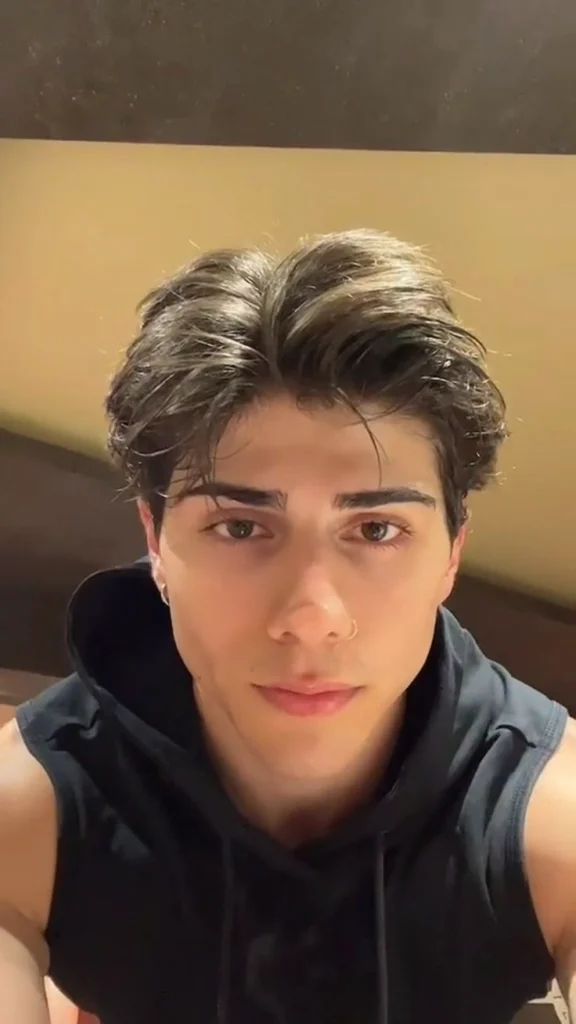
- Showcases clean, sleek lines with a polished finish.
- Creates a classic ’90s aesthetic most associated with the style.
13. Middle Part Flow

- Extended length with natural, flowing movement.
- Creates an athletic, laid-back aesthetic popular among athletes.
If you’re exploring more medium-length hairstyles with movement, check out the Flow Haircut Guide for similar natural, laid-back styling.
14. Middle Part Fade

- Contemporary fusion of the center part with faded sides.
- Creates a striking contrast between the longer top and clean sides.
15. Middle Part Drop Fade

- Curved fade that drops down behind the ears.
- Adds artistic dimension to classic structure.
16. Middle Part Mullet
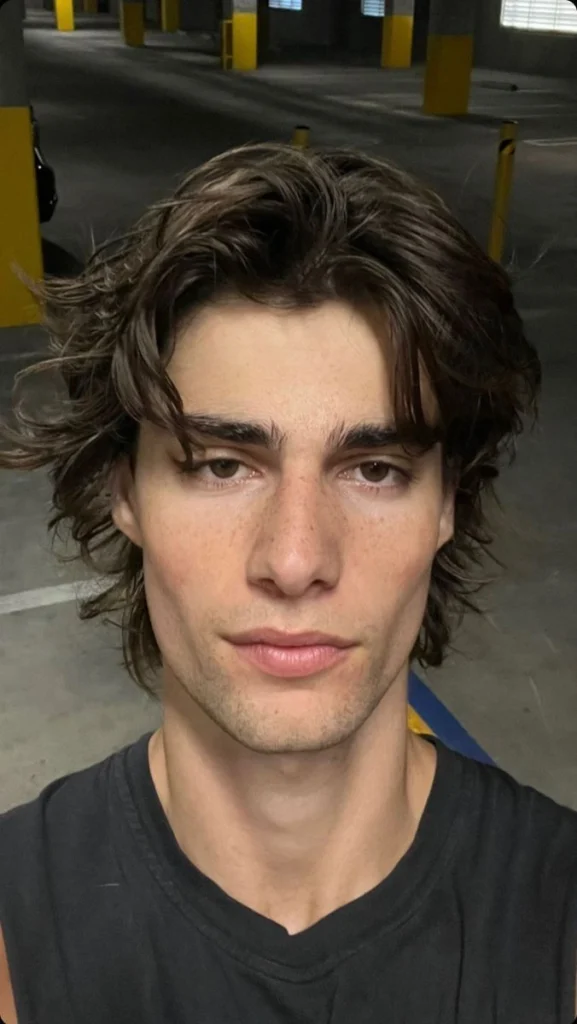
- Business in front with extended length in back.
- Combines the middle part curtains with a mullet structure.
For more modern mullet variations, see the Modern Mullet Fade Guide.
17. Middle Part Undercut
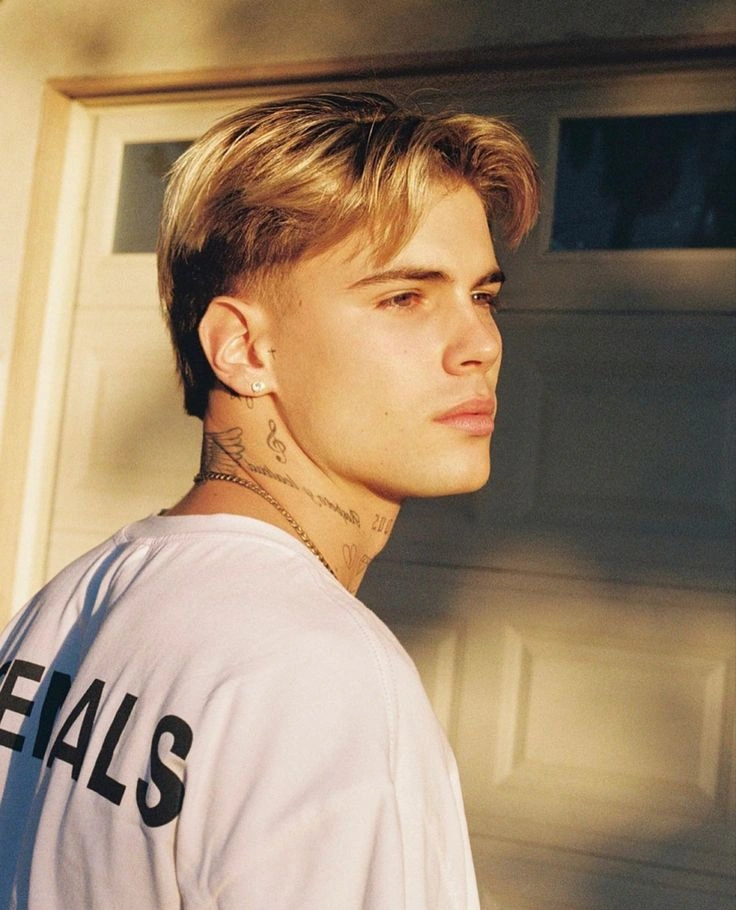
- Dramatic contrast with disconnected undercut sides.
- Creates maximum visual impact.
If you want a stronger contrast on the sides, check the Undercut Haircut Guide.
18. Low Taper Fade Middle Part
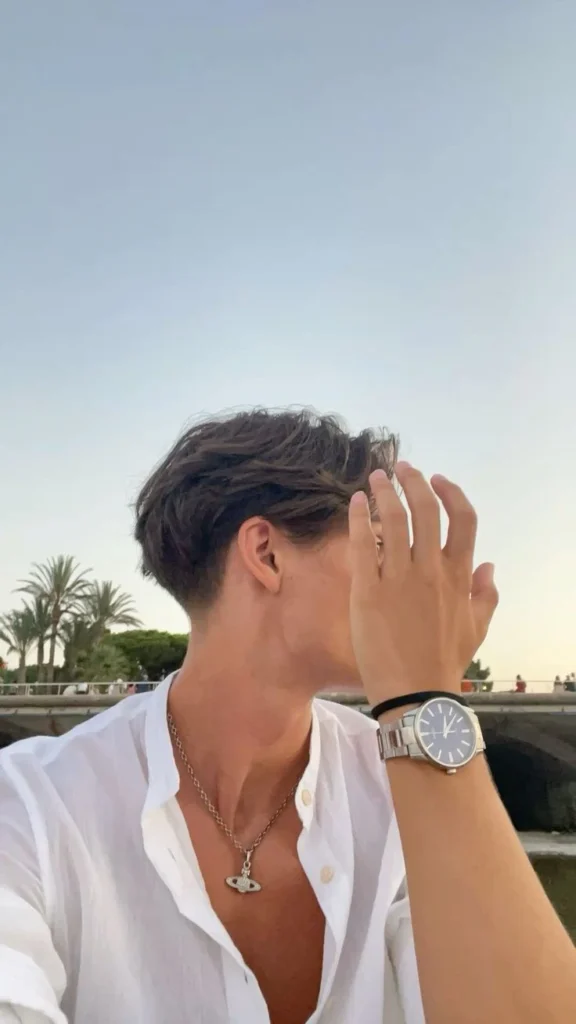
- Combines low fade positioning with subtle gradient.
- Offers a professional appearance with a contemporary edge.
19. Middle Part Bangs

- Emphasizes a longer fringe that falls forward when parted.
- Creates a face-framing curtain effect.
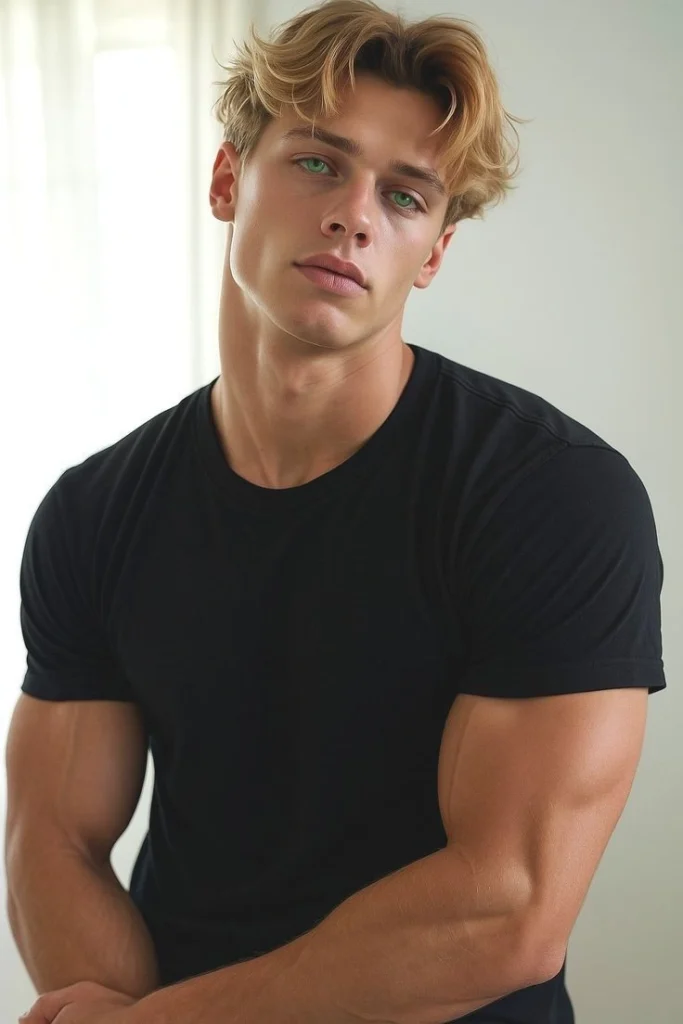
20. Blonde Middle Part

- Light color highlights the parting line and texture.
- Creates visual interest through contrast.
21. Middle Part Curtains
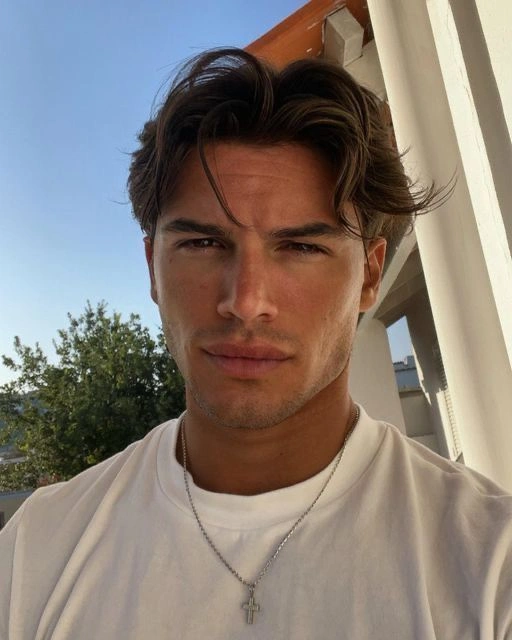
- Hair falls like curtains framing the face.
- Quintessential ’90s interpretation of the middle part.
22. Middle Part Fringe

- Longer fringe section that parts down the middle.
- Offers versatility in daily styling.
23. Middle Part Kids
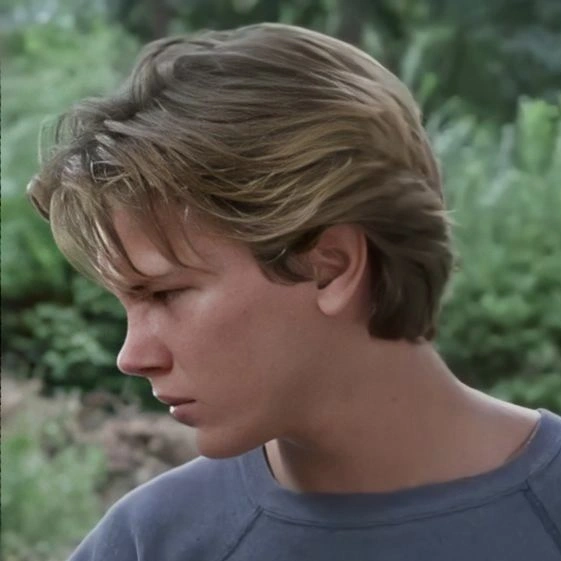
- Age-appropriate version with manageable length.
- Easy styling for parents and active children.
24. K-pop Middle Part

- High-fashion interpretation inspired by Korean pop idols.
- Features precisely styled, sometimes colored variations.
For another K-style trend popularized by Korean idols, explore the Two Block Haircut Guide.
25. Layered Middle Part

- Strategic layering creates movement and dimension.
- Prevents a heavy, flat appearance with thicker hair.
How to Get the Perfect Middle Part Haircut for Men
Before Your Appointment
- Grow hair to at least 4-6 inches on top.
- Gather reference photos showing the desired length and sides.
- Arrive with clean hair.
During the Consultation
- Show multiple reference images from different angles.
- Discuss the top length preference and side treatment.
- Specify fade type, taper, or undercut.
- Mention daily styling commitment.
The Cutting Process
- Barber establishes the side length through fading or tapering.
- The top section is cut to the specified length with even weight distribution.
- Strategic layering added for movement.
- Texturizing techniques are applied to reduce bulk.
Before You Leave
- Request a styling demonstration.
- Ask about recommended products.
- Understand maintenance schedule (typically 4-6 weeks).
How to Style the Men’s Middle Part Hairstyle
Preparation
- Start with freshly washed, damp hair.
- Apply heat protectant if using heat tools.
Creating the Part
- Use a fine-tooth comb to create a clean center line.
- Start at the hairline and work straight back to the crown.
Drying Technique
- Blow-dry away from the part on both sides.
- Use medium heat directed downward.
- Dry until 80% complete.
Product Application
- Sleek look: Apply smoothing cream or light pomade to damp hair.
- Textured look: Use matte paste or clay on dry hair.
- Wavy/curly hair: Apply curl cream to damp hair and air dry.
Final Touches
- Use fingers to separate and define sections.
- Optional: Light hairspray for extended hold.
- Ensure both sides fall evenly.
Who Should Get a Middle Part Haircut?
Ideal Candidates
- Those with medium to long hair or a willingness to grow it.
- Individuals with relatively symmetrical facial features.
- People seeking a low-maintenance yet stylish appearance.
Best Face Shape for a Middle Part Cut
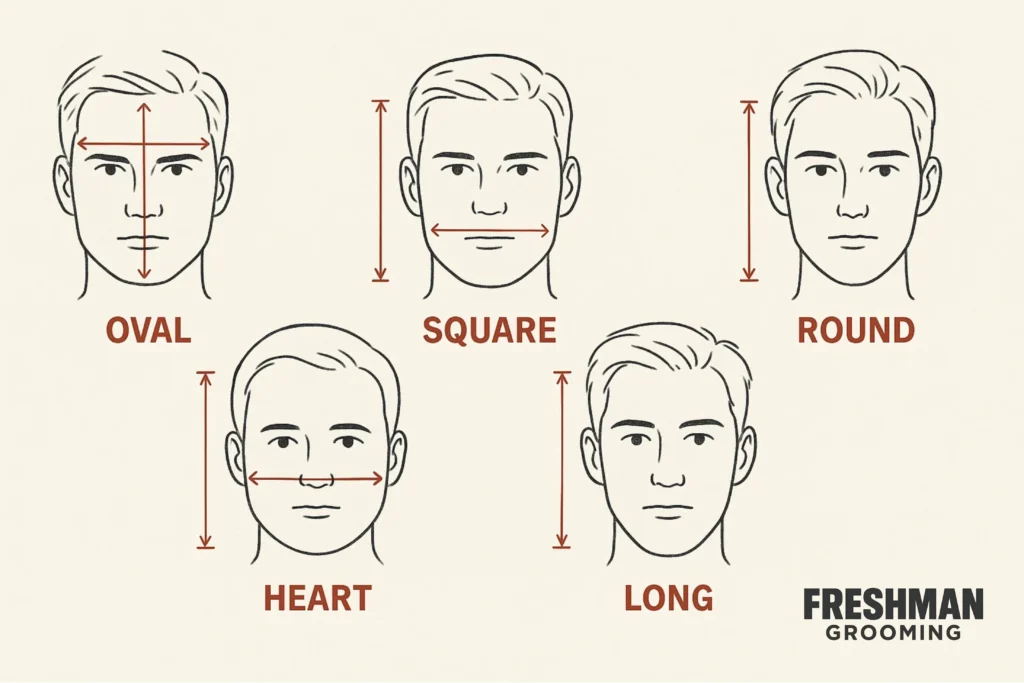
- Oval Face: Ideal shape, works with any middle part variation.
- Square Face: The Middle part softens the angular jawline; longer lengths work best.
- Heart-Shaped Face: Creates balance with a wider forehead and narrower chin.
- Round Face: Works with longer lengths past the chin and volume on top. As a barber might recommend, avoid blunt styling at cheek level.
- Oblong Face: Requires careful length consideration, avoiding excessive length.
How to Ask Your Barber for a Middle Part Haircut
Show Visual References
- Bring photos of the middle part styles you like.
- Include front, side, and back views.
- Point out specific length and texture preferences.
Use Clear Terminology
- Request “middle part” or “center part” specifically.
- Describe top length: short (2-4 inches), medium (4-6 inches), or long (6+ inches).
- Specify side treatment: “leave long,” “taper,” “low fade,” “mid fade,” or “undercut.”
- Mention styling preference: “sleek,” “textured,” or “curtain bangs.”
Discuss Maintenance
- Ask about trimming frequency.
- Understand product recommendations.
- Request tips for maintaining the center part.
How to Cut the Middle Part Haircut
- Establish the center part from the hairline to the crown using a tail comb.
- Section hair evenly on both sides for symmetrical cutting.
- Cut or fade sides to the desired length.
- Cut top section to specified length (typically 4-8 inches).
- Add strategic layering to remove bulk and create movement.
- Use texturizing techniques on mid-lengths and ends.
- Check symmetry and refine both sides of the part.
Celebrity Inspiration
- Brad Pitt’s Middle Part
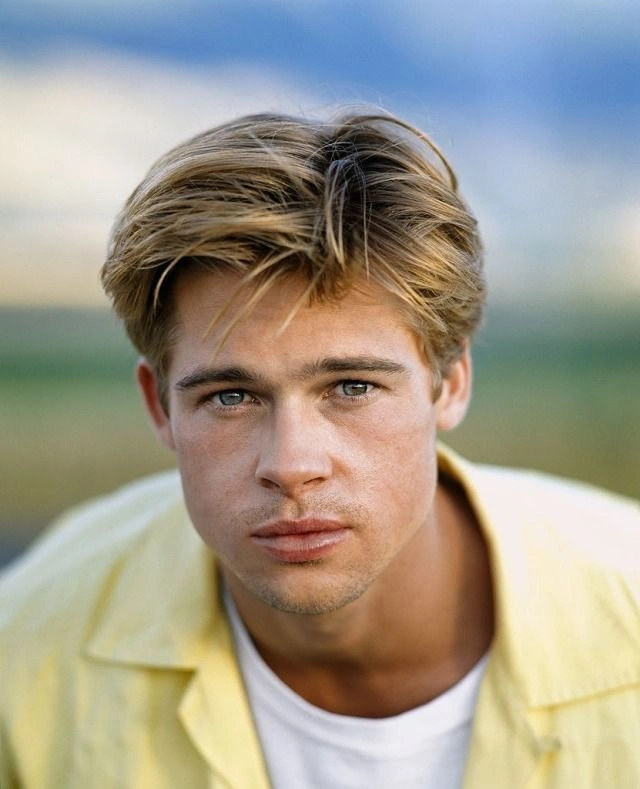
Brad Pitt popularized the ’90s middle part with his shoulder-length, textured version featuring natural movement and blonde tones.
- David Beckham’s Middle Part
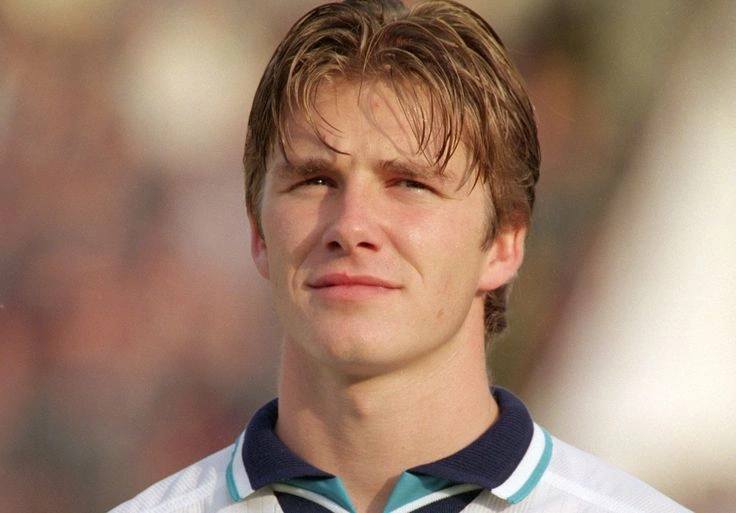
Beckham’s interpretation featured sleeker styling with shorter sides and medium-length top for a refined aesthetic.
- Elijah Mikaelson’s Middle Part
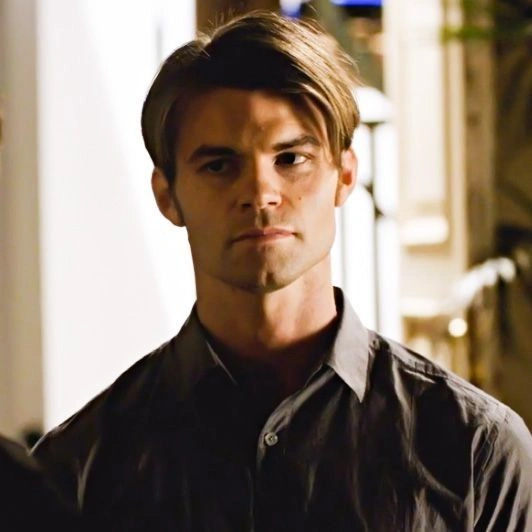
The character showcased a distinguished middle part with slicked-back styling and clean lines for a sophisticated appearance.
- Middle Part Johnny Depp
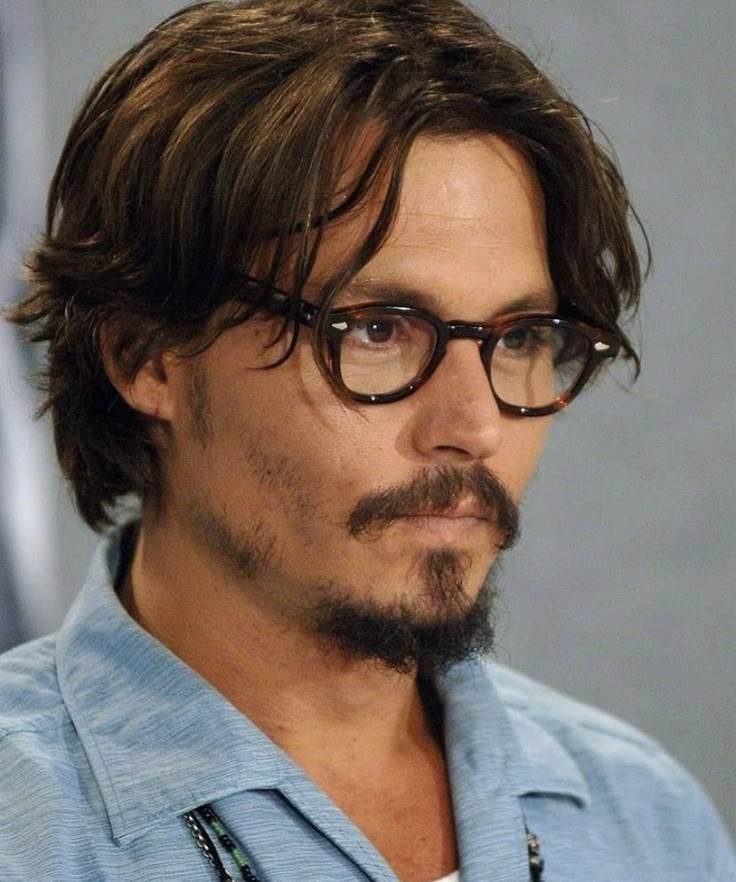
Johnny Depp has worn various middle part iterations emphasizing individuality, natural texture, and bohemian style.
- Jungkook Middle Part
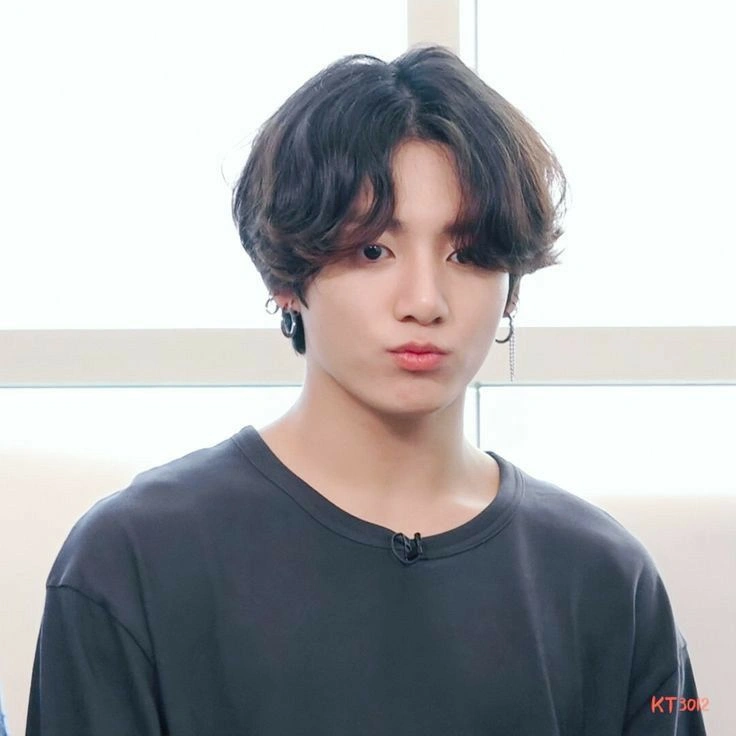
BTS member Jungkook popularized the K-pop middle part with precisely styled, sleek versions and defined curtain framing.
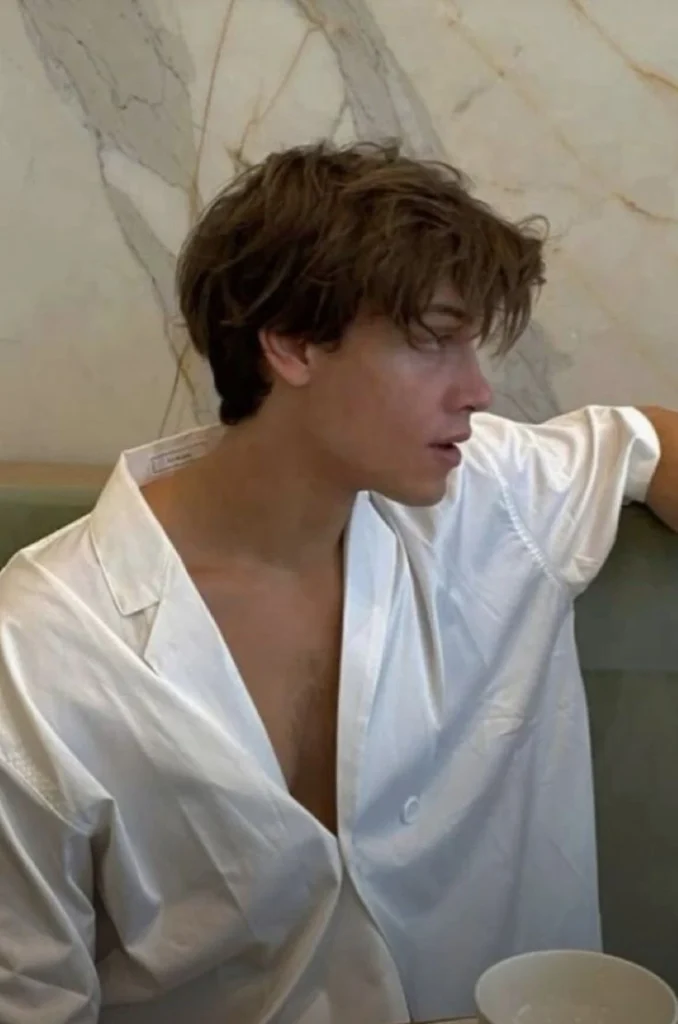
Gallery Inspiration:

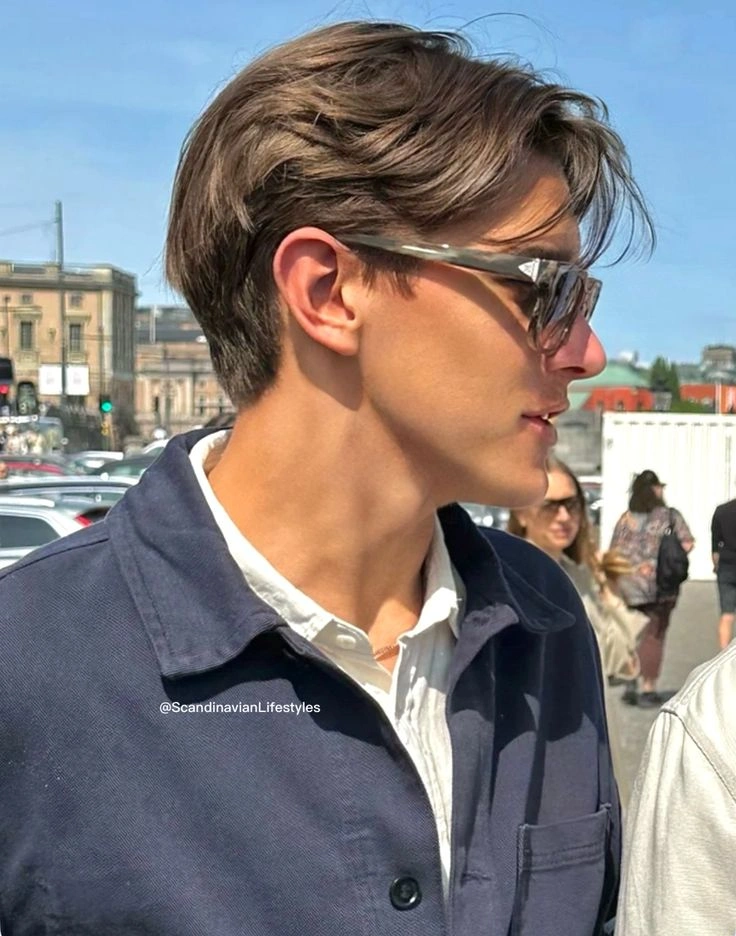
Conclusion
The middle part stands as one of the most versatile men’s hairstyles in 2025. Its blend of ’90s nostalgia and modern techniques creates a contemporary classic that works across cultures and hair types. Whether you choose a sleek Korean-inspired version or a textured, messy interpretation, the middle part offers a balanced, confident aesthetic. Success comes from choosing the right length for your lifestyle, working with your natural texture, and maintaining proper styling techniques. With consistent care, the middle part delivers a sophisticated look that continues dominating men’s style trends.
Stay connected!
Follow us on social media for the latest men’s haircut trends, grooming tips, and style inspiration.
Is the middle part good for an oval face?
Yes, the middle part is ideal for oval faces. The symmetrical style complements natural proportions perfectly, allowing you to experiment with any variation.
Is the middle part attractive for guys?
Yes, when executed properly. The style creates balanced, symmetrical framing that works for both casual and sophisticated looks. Choose a variation that complements your face shape and hair texture.
Is the middle part good for a round face?
Yes, but opt for longer lengths past the chin with volume on top. Avoid blunt styling at cheek level. Most stylists suggest combining with a low fade or taper for better definition.
What fades for the middle part?
Low fade for professional versatility, mid fade for balanced contrast, high fade for dramatic effect, or drop fade for artistic detail. Most stylists suggest low to mid fades for the best overall appearance.