

Introduction
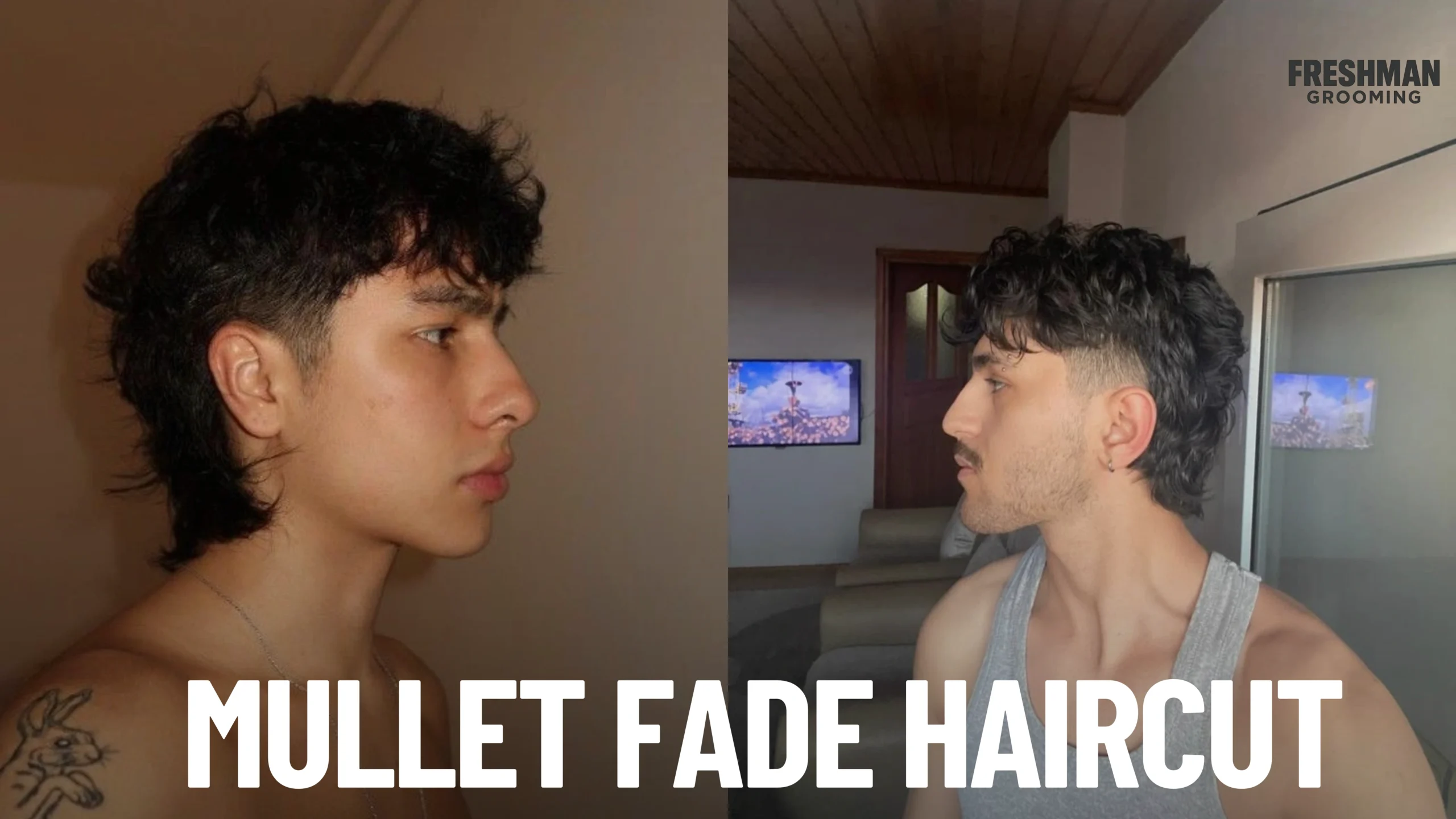
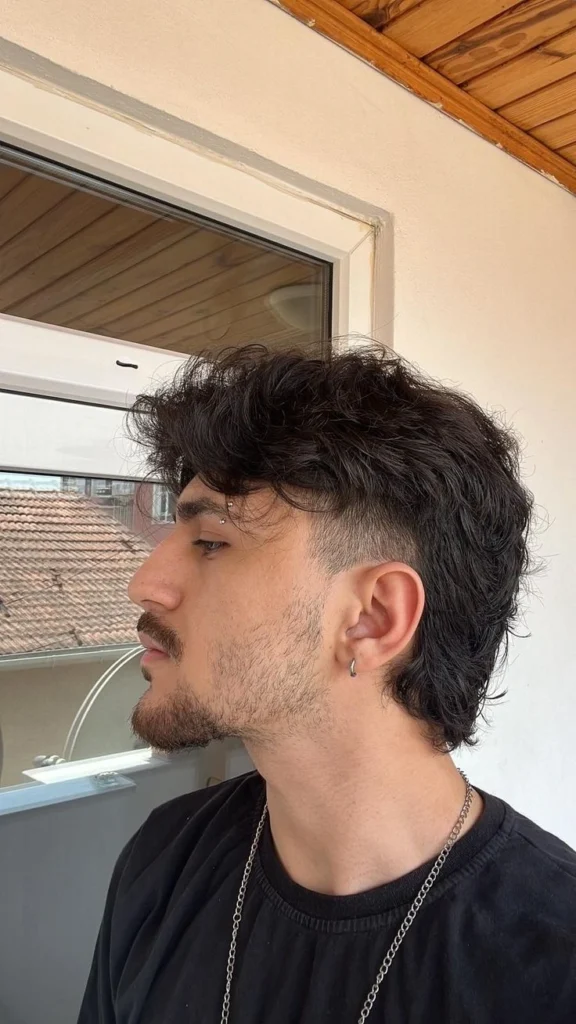
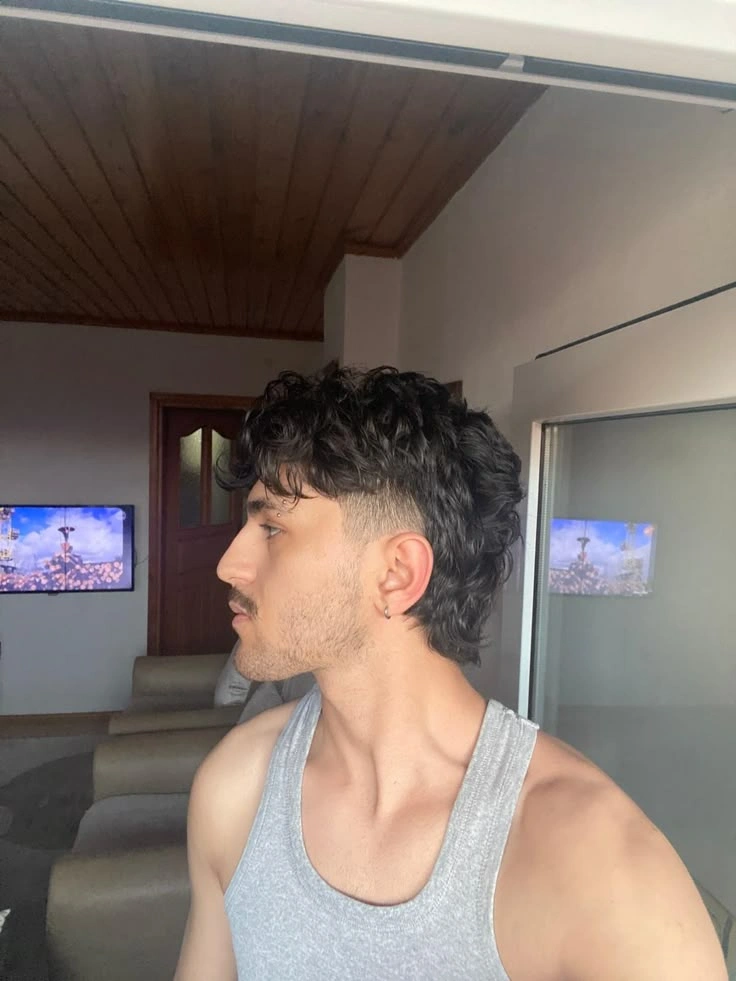
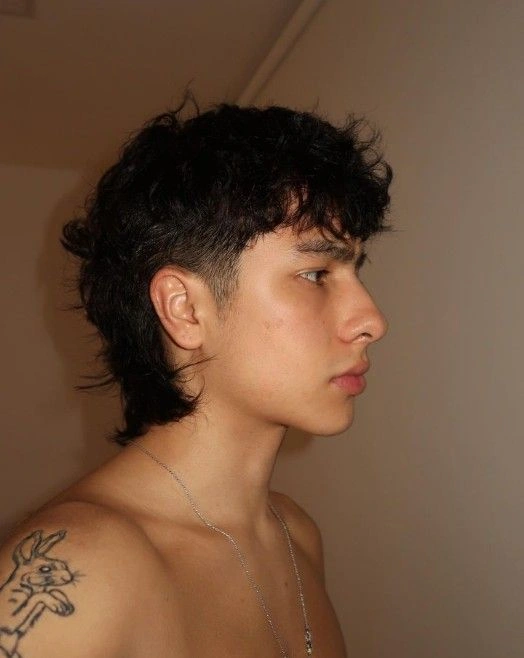
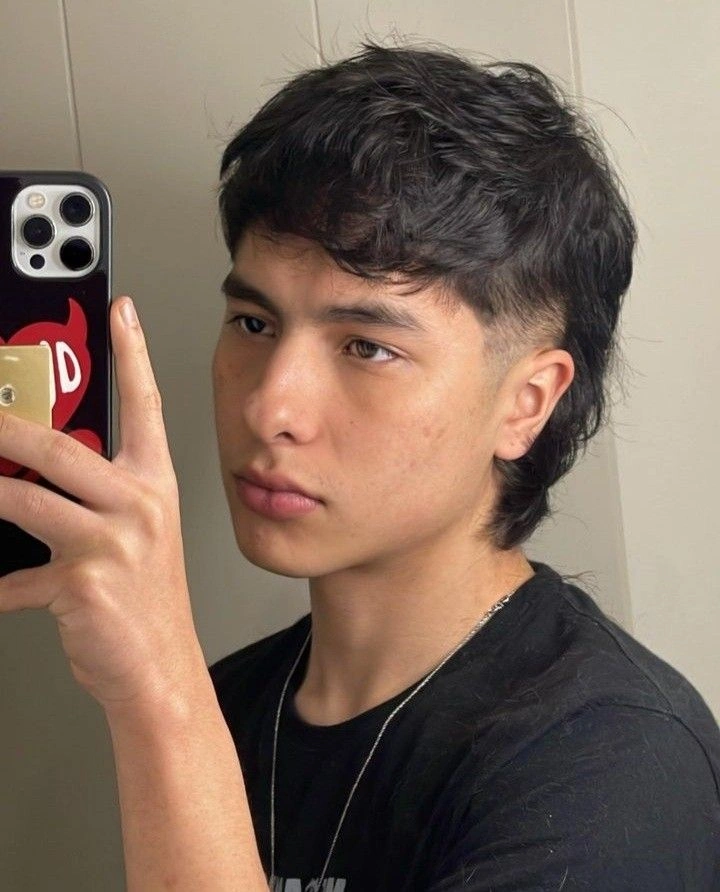
The mullet has made a comeback, and it’s nothing like the ’80s version you remember. Today’s modern mullet fade combines shorter front and sides with longer back length, enhanced by clean fades and contemporary styling. From athletes to musicians, this versatile cut works across different lifestyles and hair types. This guide covers everything you need to know about getting and styling the perfect mullet fade in 2025.
What is a Modern Mullet Haircut
Meaning
The modern mullet features shorter hair at the front and sides with deliberately longer hair at the back, creating a distinctive length contrast. Unlike its ’80s predecessor, today’s version incorporates contemporary cutting techniques like fades, tapers, and textured layering for a cleaner, more refined appearance.
Origins
The mullet’s history dates back to ancient civilizations, but its modern fame came from the 1970s-80s rock culture. Icons like David Bowie and Billy Ray Cyrus made it legendary. After years of mockery, the mullet experienced a revival in the 2010s-2020s through social media and celebrity endorsements, reimagined with contemporary barbering techniques.
Mullet Haircut Vs Wolf Cut
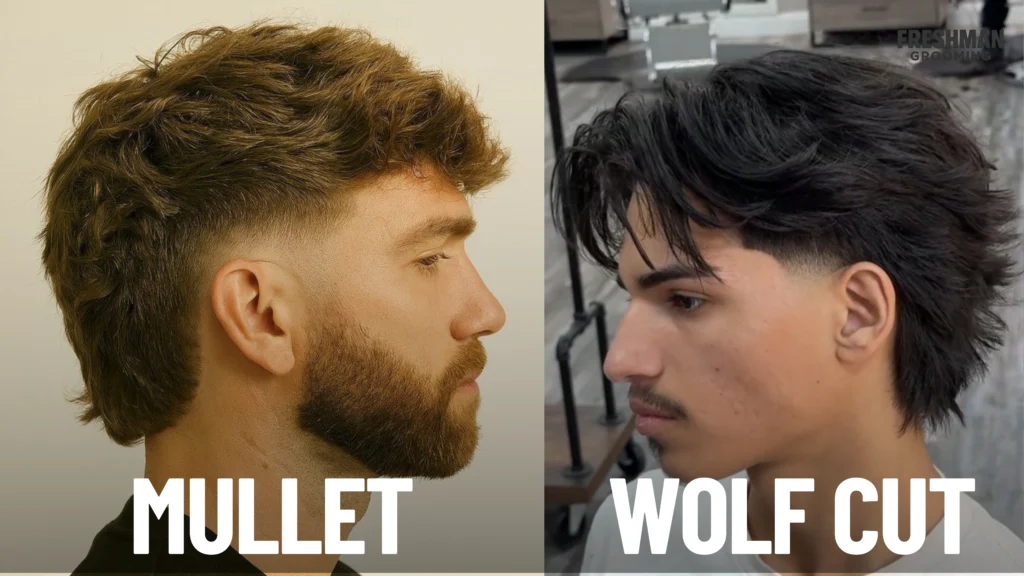
- Mullet: Features distinct short front and sides with noticeably longer back, creating clear length separation and “business/party” contrast.
- Wolf Cut: Has choppy, heavily layered texture throughout with less dramatic front-to-back length difference and more all-over shaggy volume.
“If you’re interested in this textured and layered version, check out our full Wolf Cut Hairstyle Guide for Men to see how it compares to the mullet.”
Different Mullet Fade Haircut Styles for Men
1. Modern Mullet Fade
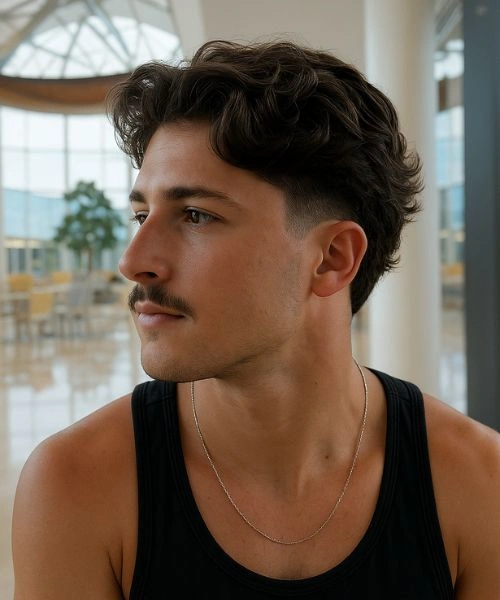
- Contemporary interpretation combining classic mullet structure with clean fade sides.
- Refined enough for creative professional environments.
- As a barber might recommend, pair this with textured styling products for the perfect balance of polished and edgy.
2. Taper Modern Mullet Fade
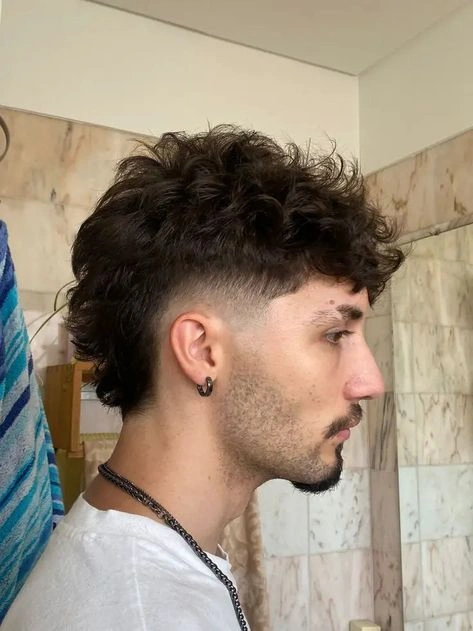
- Gradual taper replaces harsh fade for subtler transition.
- Ideal for first-time mullet wearers wanting a conservative approach.
3. Low Taper Mullet
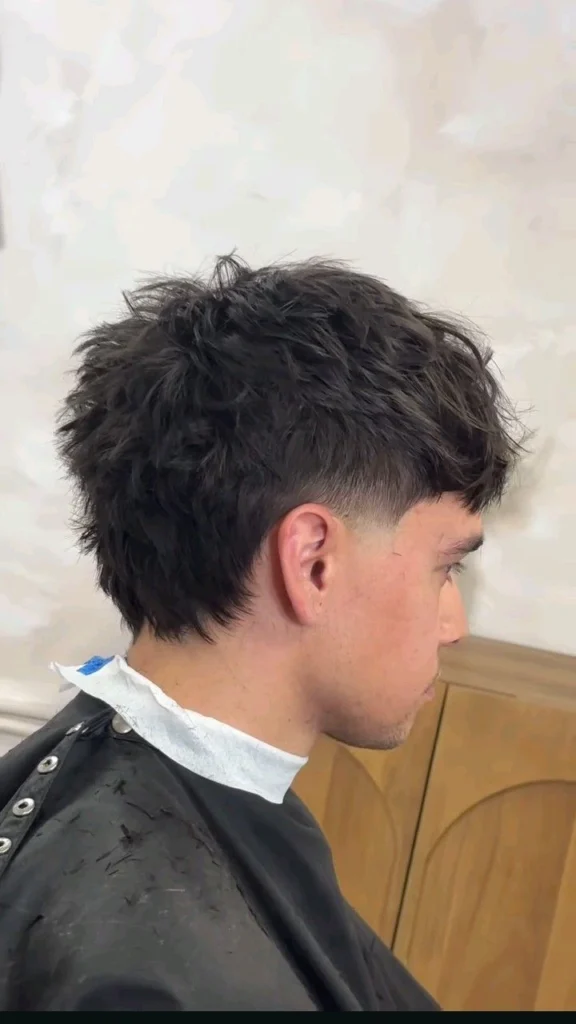
- Taper starts just above the ears for minimal side contrast.
- Best suited for traditional workplaces requiring modest styling.
- Most stylists suggest this variation maintains professional appearance while expressing personality.
4. Low Fade Mullet Haircut
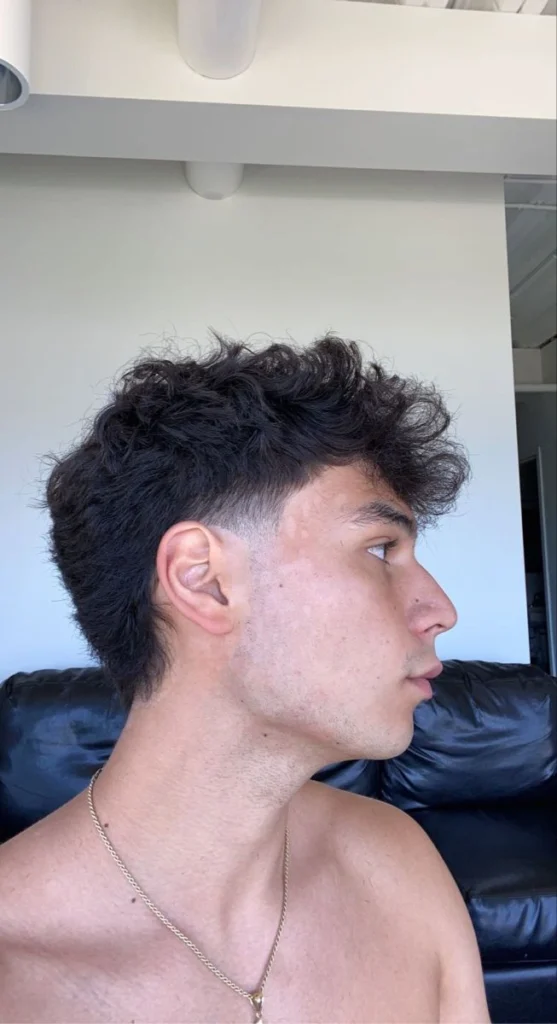
- Fade begins low near the ears and neckline.
- Creates a subtle modern touch without dramatic contrast.
5. Low Mullet Haircut
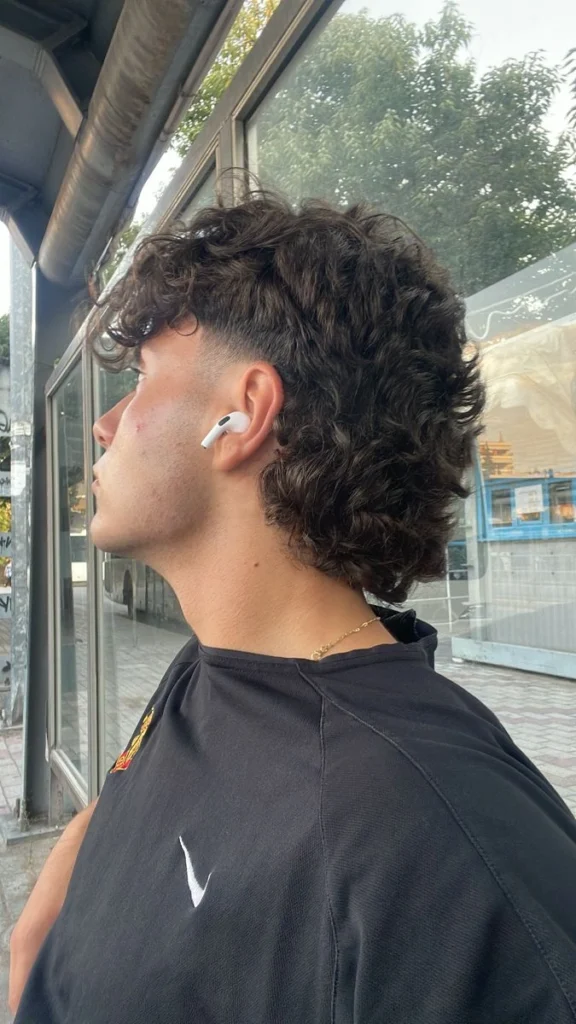
- Shorter overall length with modest back extension.
- Perfect for testing the mullet aesthetic without full commitment.
- Great for active lifestyles requiring a manageable length.
6. Mullet Fade Haircut
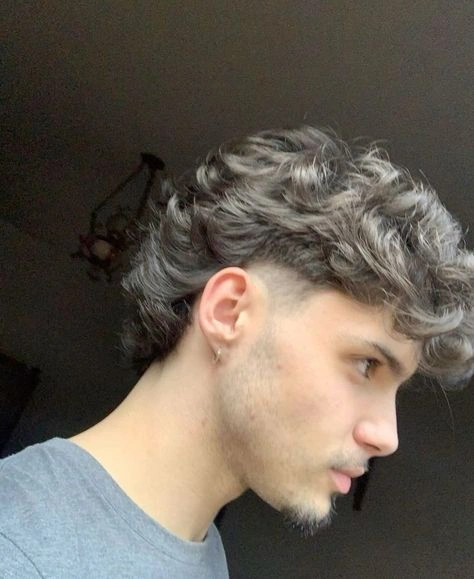
- Standard mullet structure enhanced with a fade technique on the sides.
- Versatile foundation for various styling approaches.
7. Short Mullet Fade

- Compact version with 1-2 inch back length difference.
- Easier maintenance while capturing mullet essence.
- Ideal for men who want the look without long hair upkeep.
8. Long Mullet Haircut
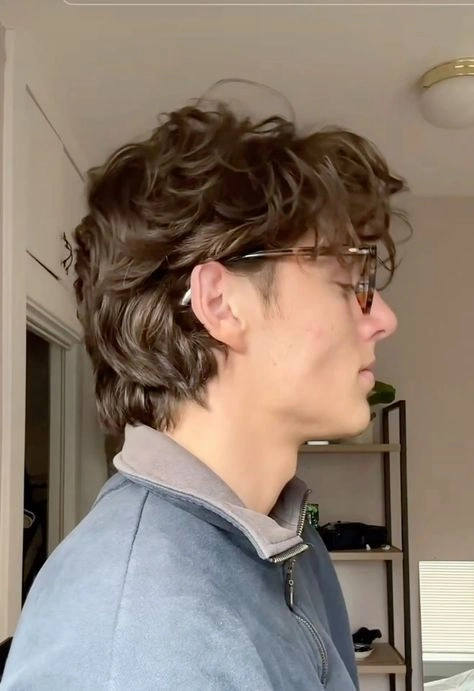
- Back length extends past the shoulders for a dramatic statement.
- Requires several months to a year of growing time.
- Perfect for rock, metal, or alternative music enthusiasts.
9. Curly Mullet Fade
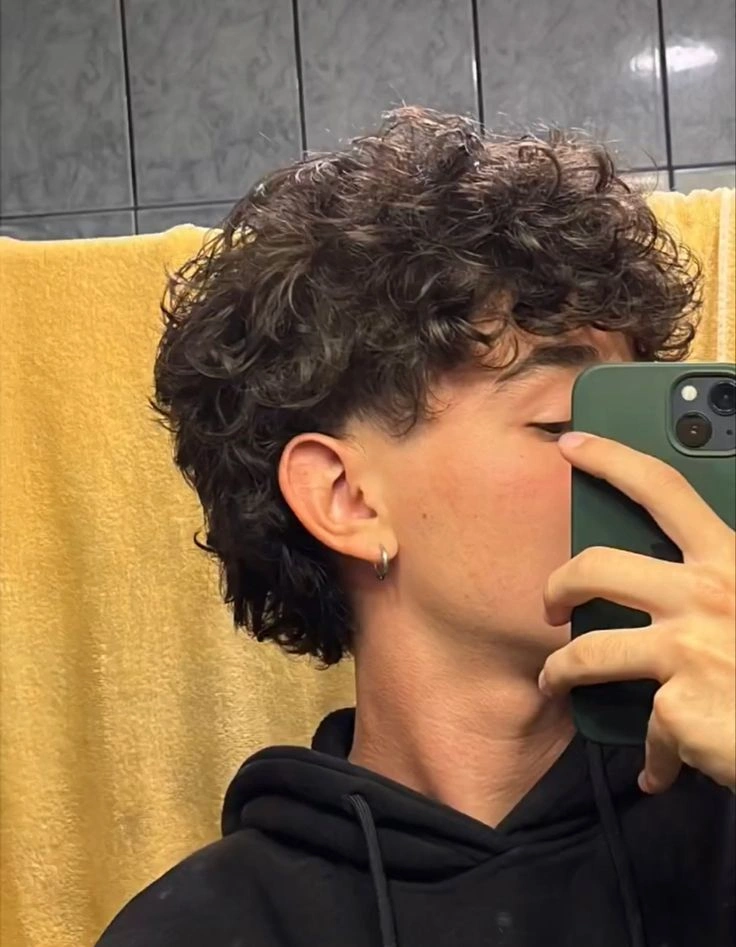
- Natural curls add impressive volume and texture to mullet structure.
- Works beautifully with all curl patterns from loose waves to tight coils.
10. Modern Mullet Fade Straight Hair
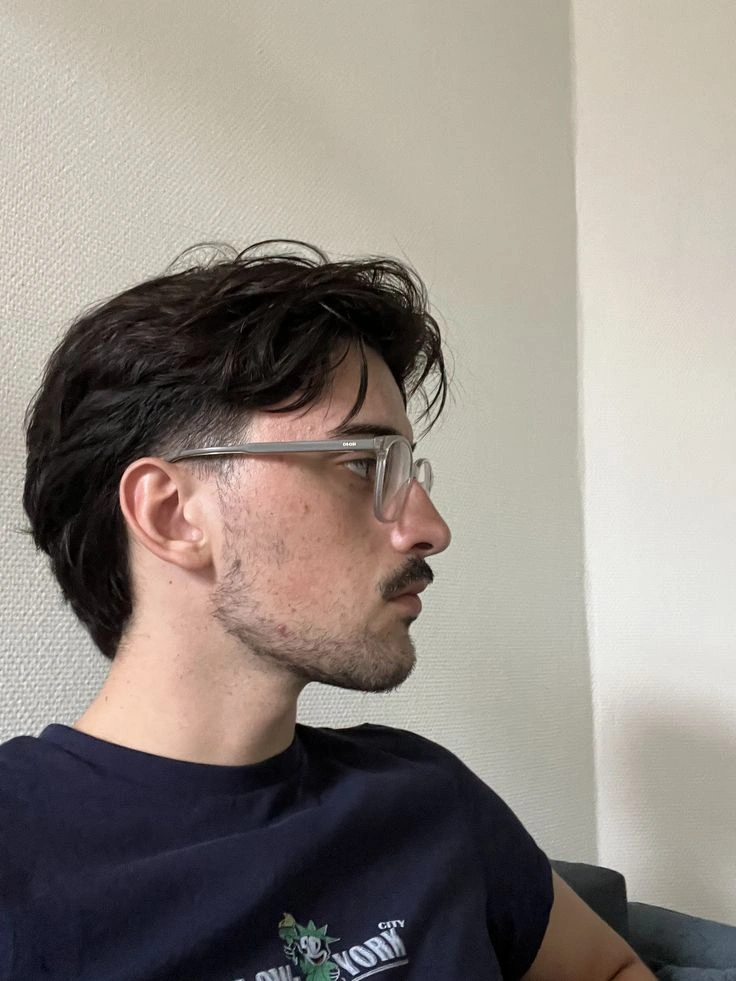
- Straight hair creates a sharp, defined length contrast.
- Requires texturizing products to prevent a flat appearance.
- Best for showcasing precise cutting technique.
11. Kids Mullet Fade
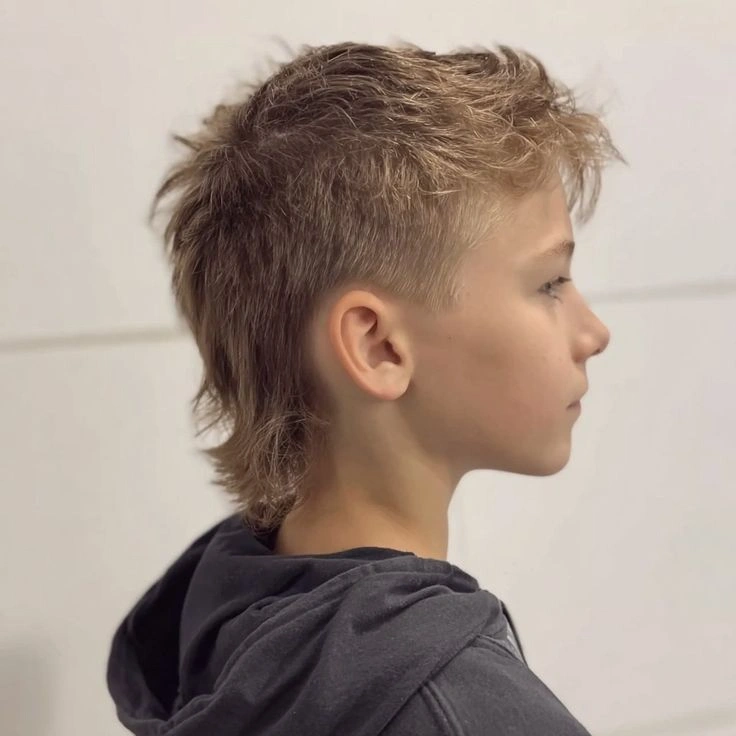
- Age-appropriate version with manageable length for active children.
- Captures fun, playful spirit without overwhelming young features.
12. Burst Fade Mullet
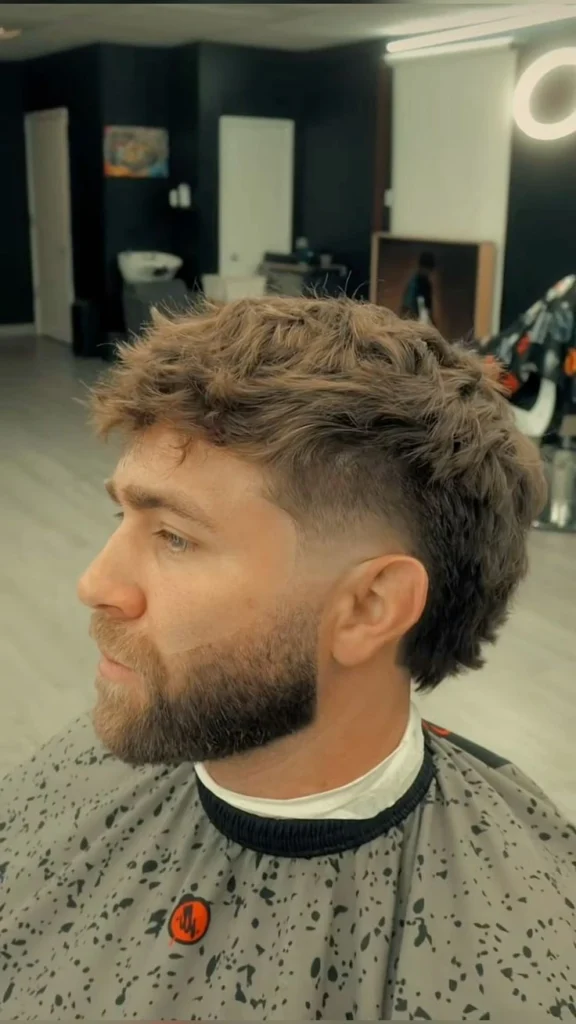
- Curved fade radiates around the ears in a semi-circular pattern.
- Adds artistic flair and contemporary edge.
- As a barber might recommend, this creates visual interest that photographs exceptionally well.
13. Low Burst Fade Mullet
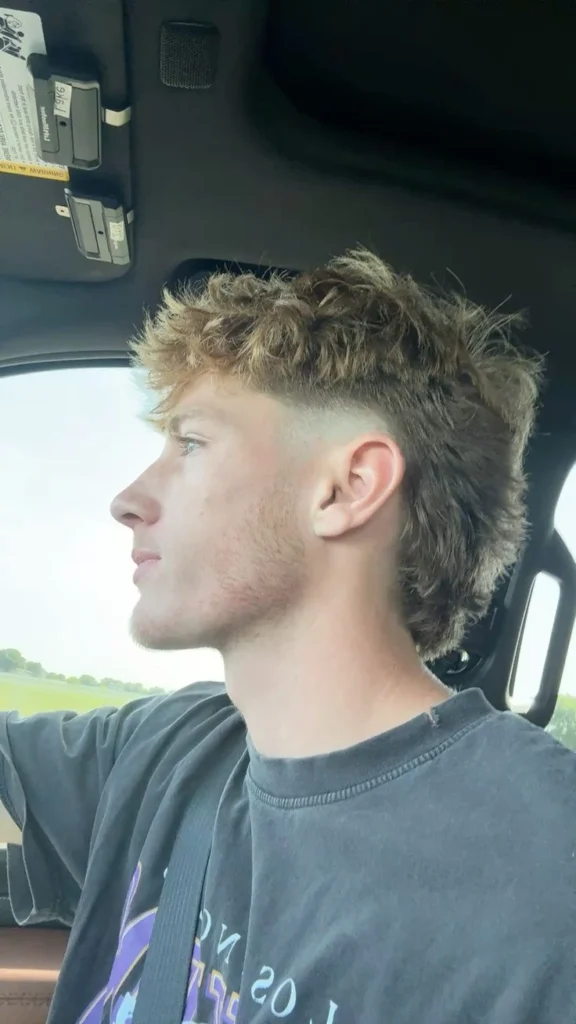
- Burst fade technique starting lower on the head.
- Subtle artistic touch, maintaining professional appearance.
14. Mullet and Mustache
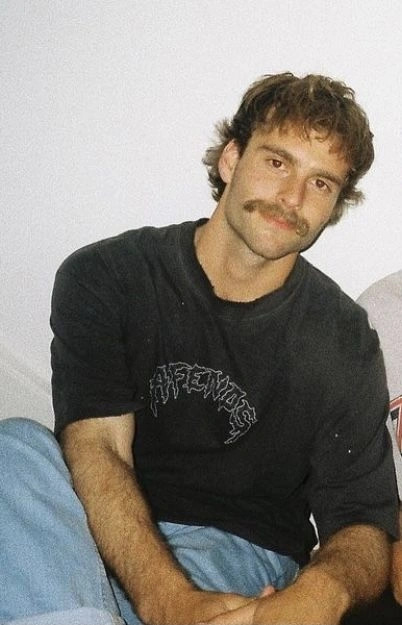
- Classic combination embracing retro masculine aesthetic.
- Facial hair should be well-groomed to complement rather than overwhelm.
- Perfect for vintage enthusiasts and ironic fashion statements.
15. Mullet Asian
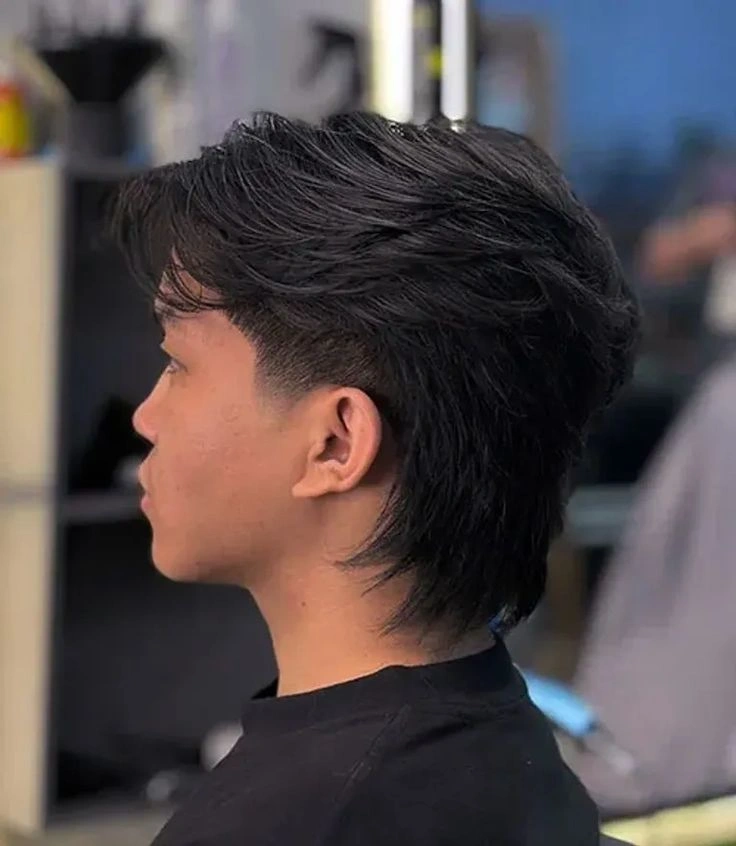
- Leverages naturally thick, straight Asian hair for strong structure.
- Often styled with K-pop or J-fashion influences.
16. Mullet Korean
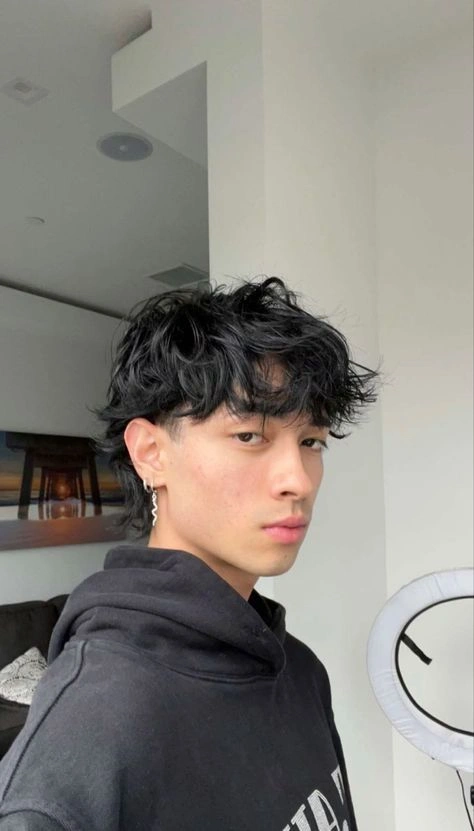
- Softer, more refined Korean interpretation with textured styling.
- Typically features face-framing layers and contemporary color.
- Popular among younger demographics following K-beauty trends.
17. Mullet Buzz Cut
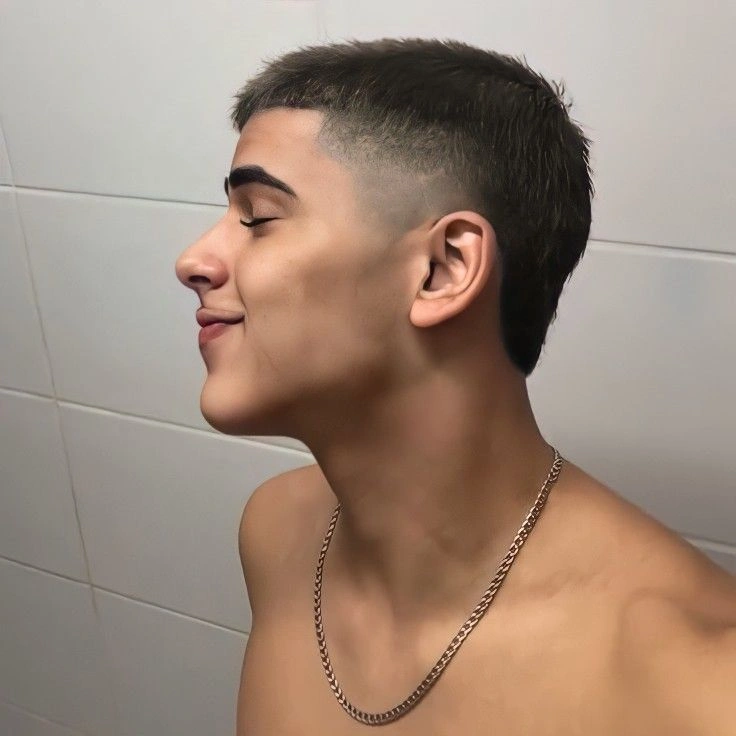
- Ultra-short sides and top, with only the back maintaining length.
- Extreme contrast creates a bold, minimalist statement.
18. Bowl Cut Mullet
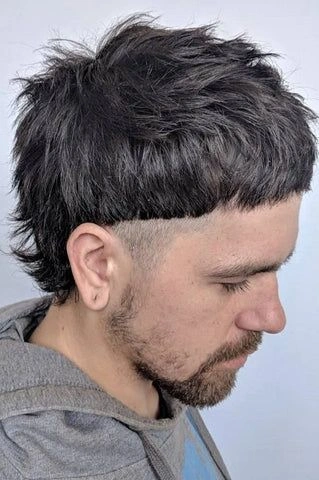
- Bowl-shaped fringe combined with mullet back length.
- Quirky, fashion-forward hybrid popular in avant-garde circles.
- Most stylists suggest this for clients with strong personal style confidence.
“You can also explore the full Bowl Cut Men Guide to understand how this style evolved into modern hybrids like the bowl mullet.”
19. Curtain Mullet
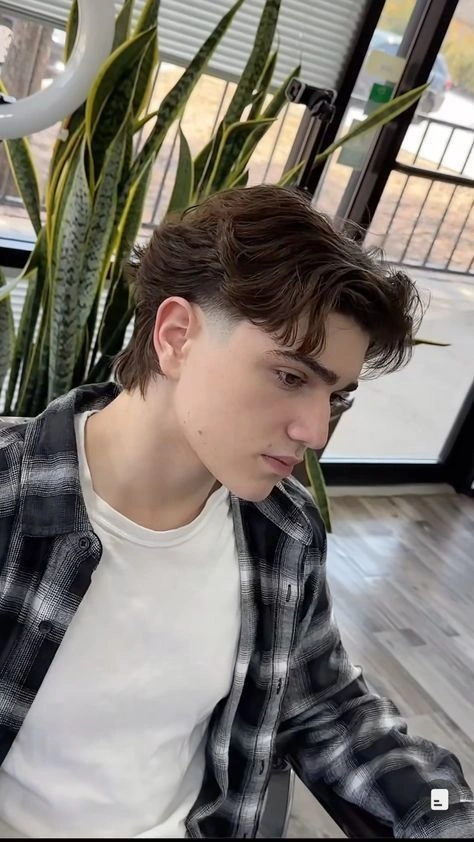
- Center-parted curtain bangs flowing into a mullet structure.
- Creates a 90s-inspired romantic aesthetic.
20. Classic Mullet Haircut
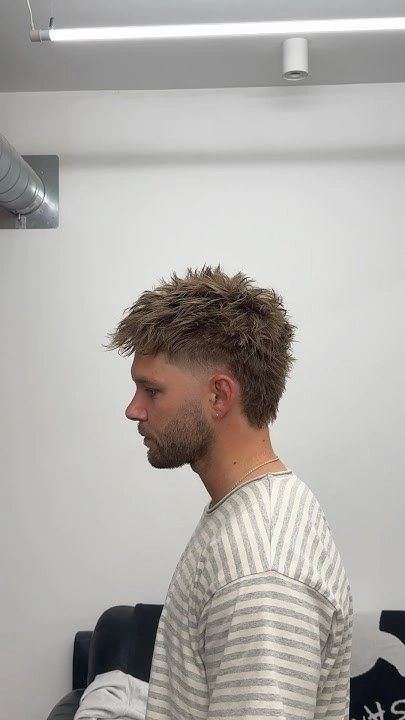
- Traditional ’80s interpretation with minimal modern updates.
- Embraces an authentic vintage aesthetic.
- Perfect for themed events, retro enthusiasts, or ironic styling.
21. Mullet Drop Fade
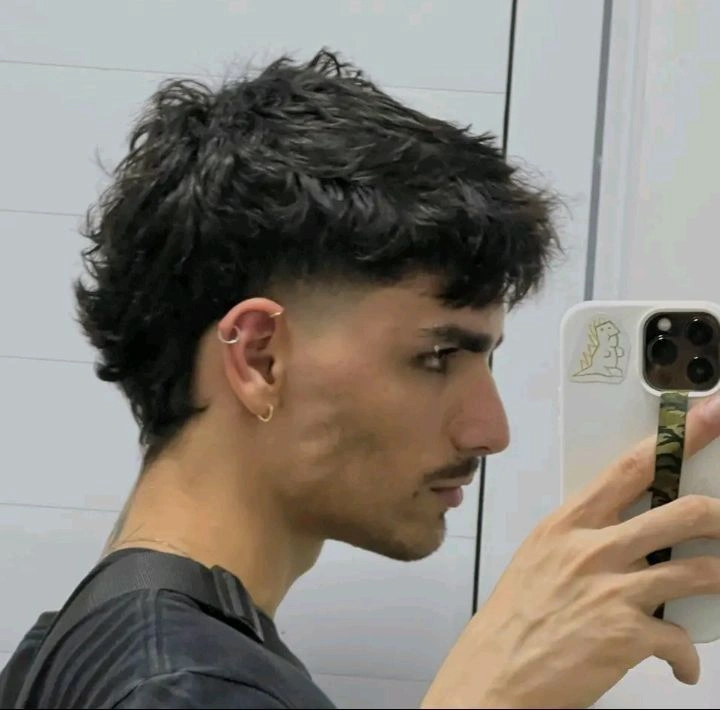
- Fade drops and curves behind ears following head contour.
- Creates a unique silhouette with architectural interest.
22. Edgar Mullet
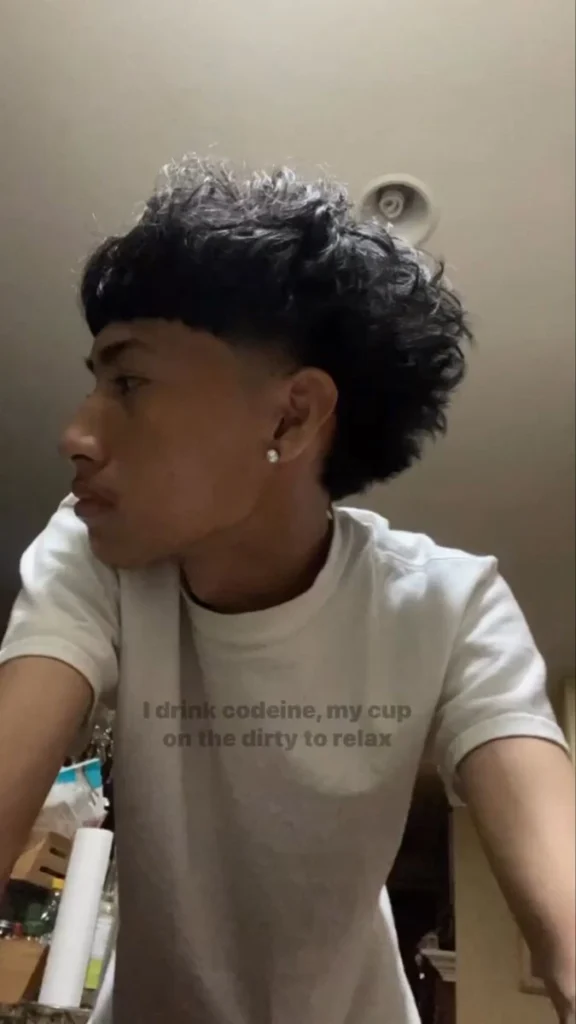
- Combines Edgar Cut’s straight fringe with a mullet back.
- Popular in Latino barbering communities.
- Creates a distinctive, street-style aesthetic.
23. French Crop Mullet
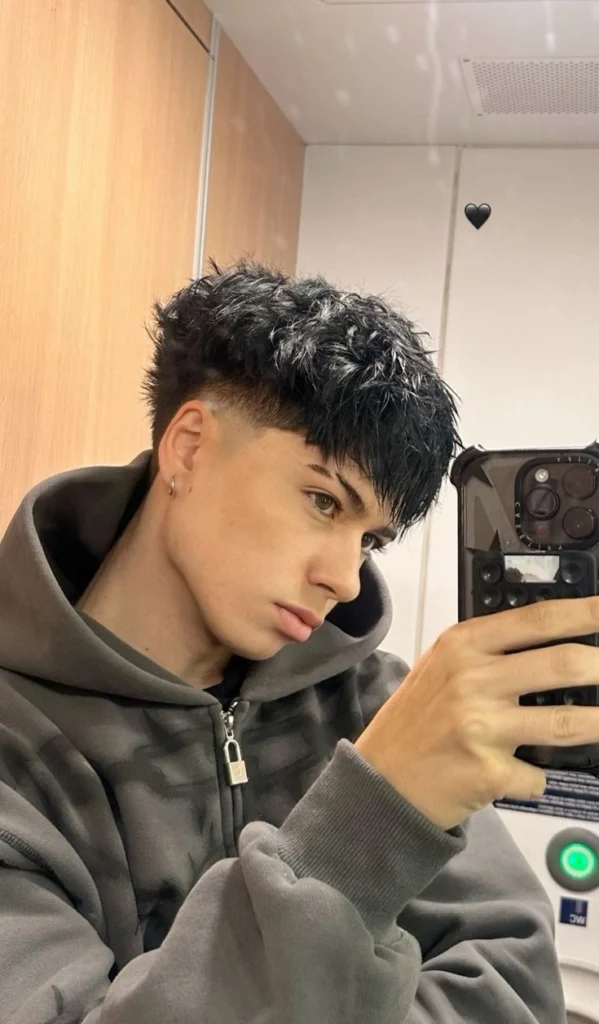
- Short textured fringe with forward-brushed front meeting mullet back.
- Sophisticated European-inspired hybrid.
24. Mullet Mohawk
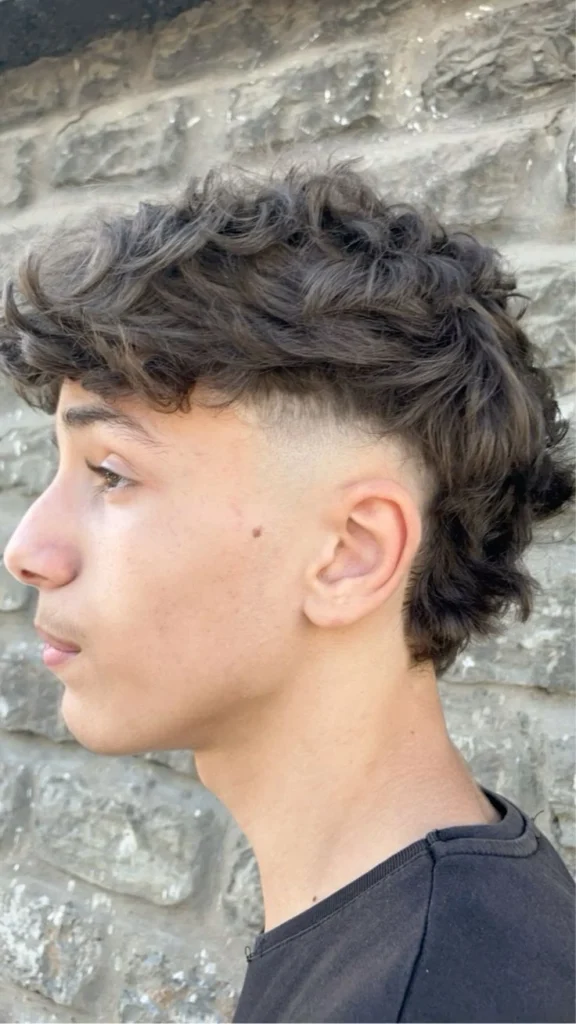
- Mohawk strip running from front to back with mullet length.
- Bold, punk-inspired statement requiring styling commitment.
- As a barber might recommend, use strong-hold products to maintain the mohawk structure daily.
“For a deeper dive into this punk-inspired look, explore our Mohawk Haircut Guide for Men.”
25. Middle Part Mullet
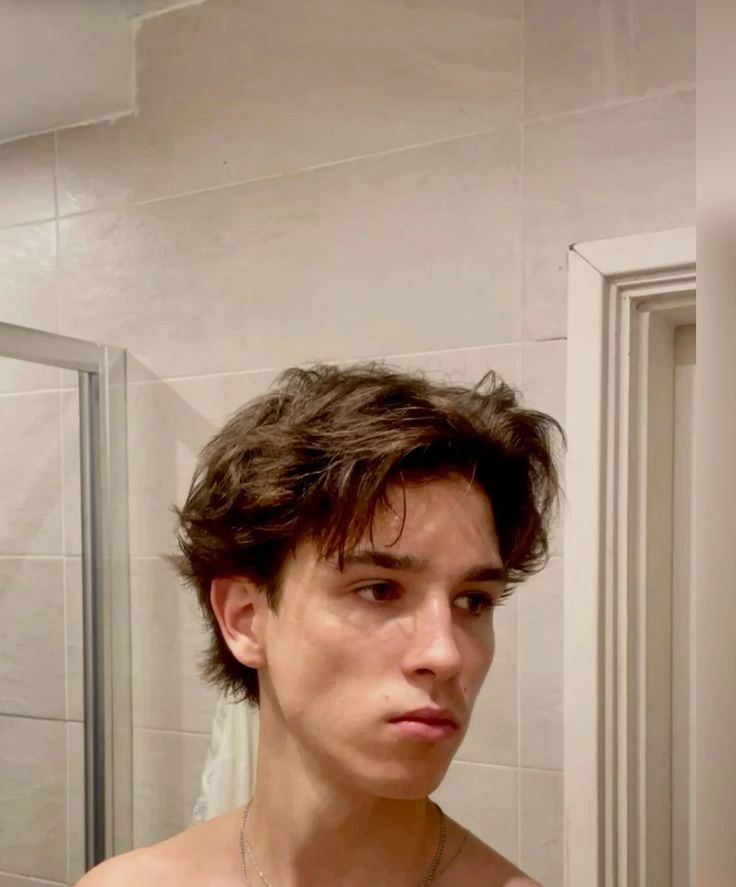
- The center part divides the front hair into symmetrical sections.
- Creates a balanced, softer appearance.
26. Mullet Pixie Cut
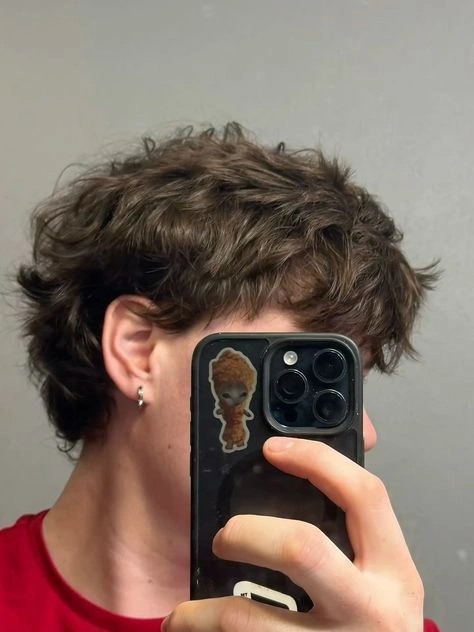
- Ultra-short pixie-length front and sides with textured back extension.
- Edgy, gender-neutral aesthetic.
- Low maintenance with maximum impact.
27. Mullet Quiff Haircut
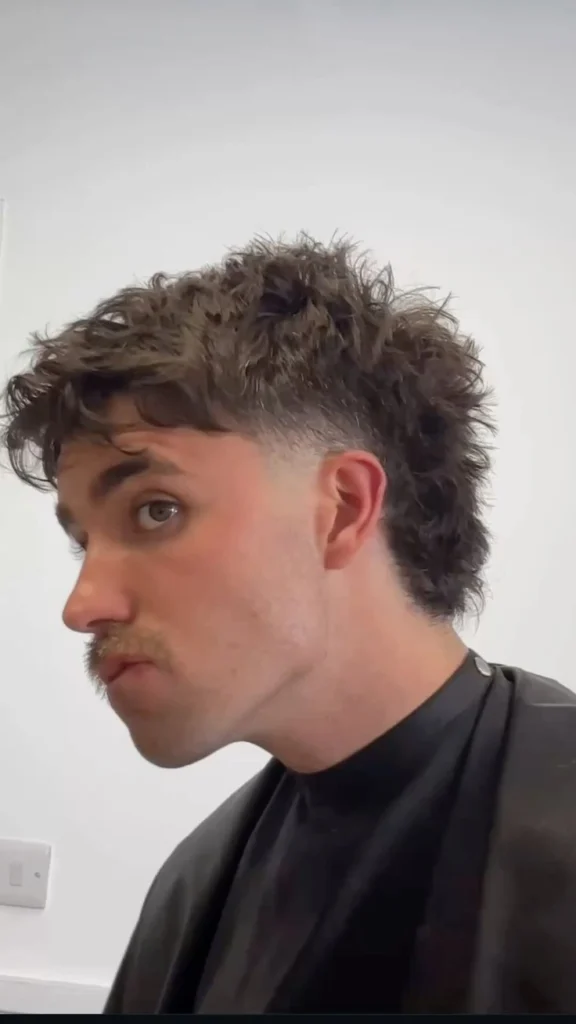
- Combines swept-back quiff volume at the front with mullet back length.
- Creates sophisticated hybrid merging classic and contemporary styles.
- As a barber might recommend, use pomade on the quiff section for hold while keeping the back textured.
“To learn how to perfect the front styling, visit our detailed Quiff Haircut for Men Guide.”
28. Shaggy Mullet
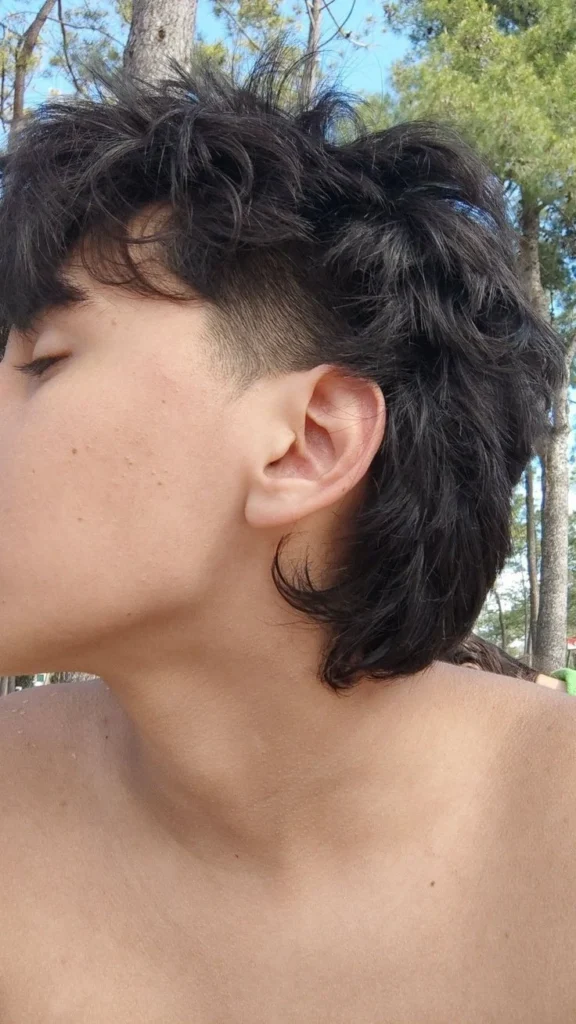
- Heavily layered, textured approach with messy, undone styling.
- Embraces natural hair movement and carefree aesthetic.
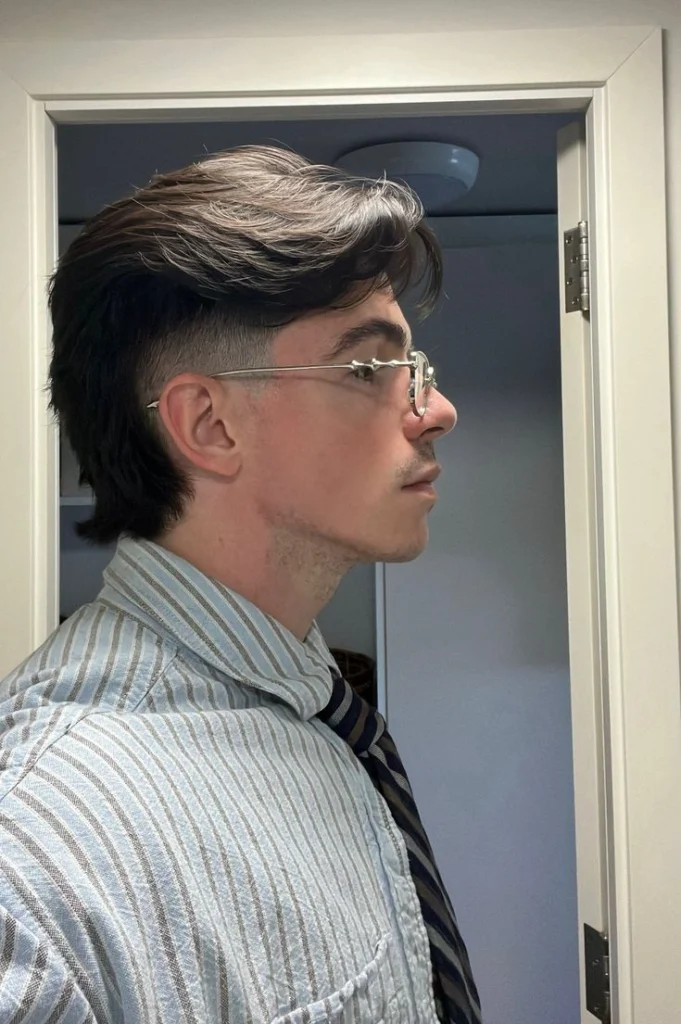
29. Mullet Undercut
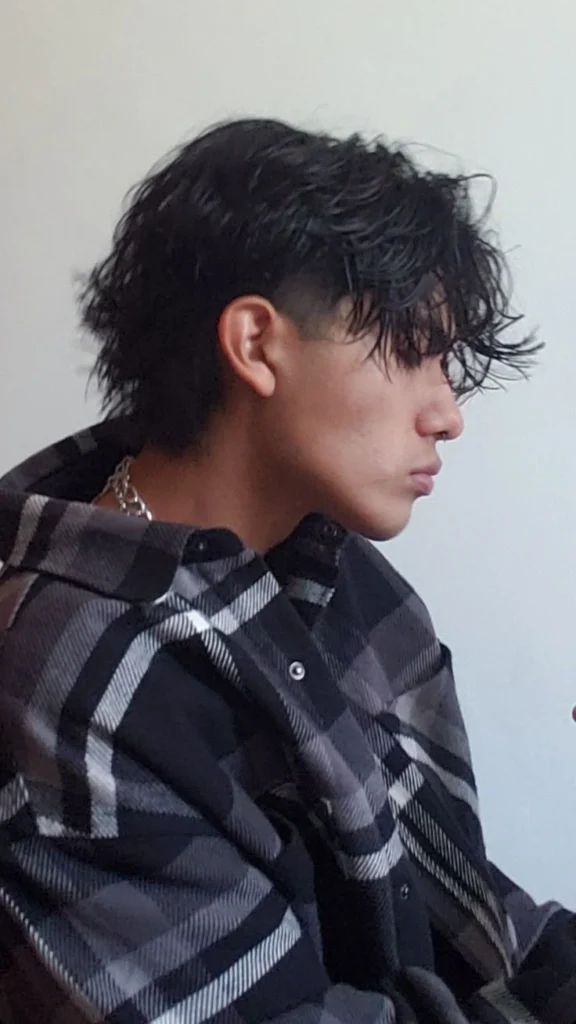
- Dramatic undercut sides with disconnected mullet top and back.
- Creates striking length contrast and modern edge.
- Most stylists suggest trimming every 2 weeks to keep the undercut blend sharp.
“If you prefer sharp contrast and disconnected styles, the Undercut Haircut Guide shows more clean variations.”
30. Mullet Wolf Cut
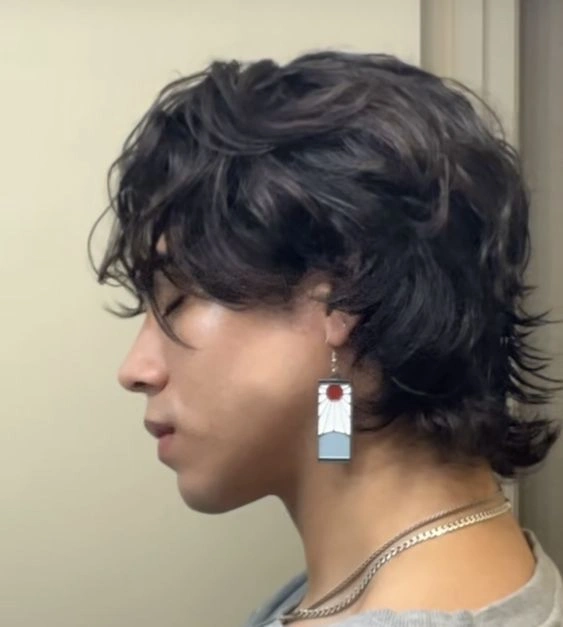
- A hybrid combining wolf cut’s choppy layers with mullet’s length structure.
- Creates textured, voluminous interpretation.
31. 1980s Mullet Haircut
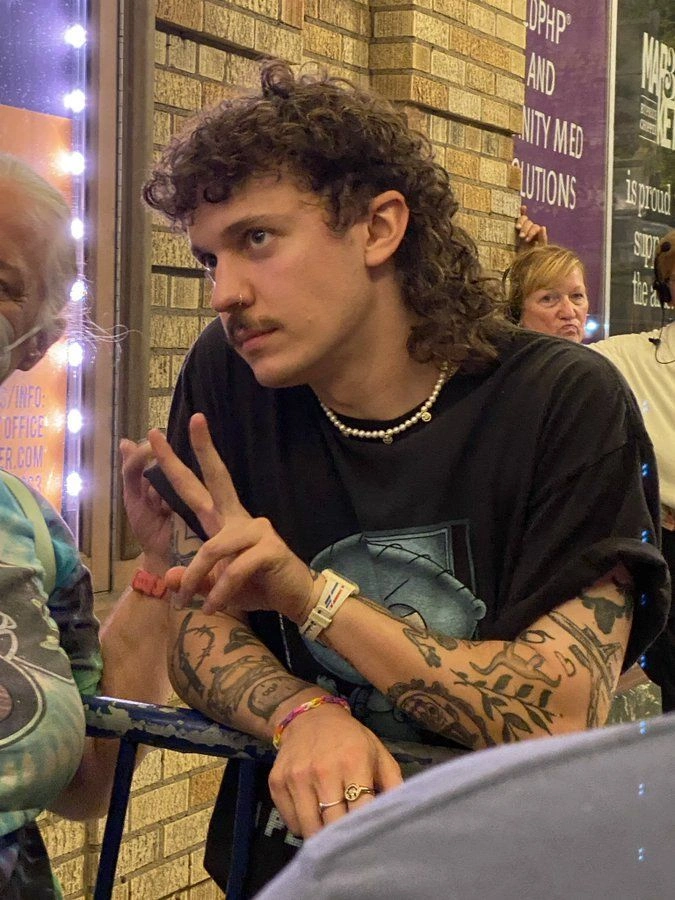
- Authentic ’80s recreation with permed or heavily styled volume.
- Maximum height and drama embracing the decade’s excess.
32. 2 Block Mullet
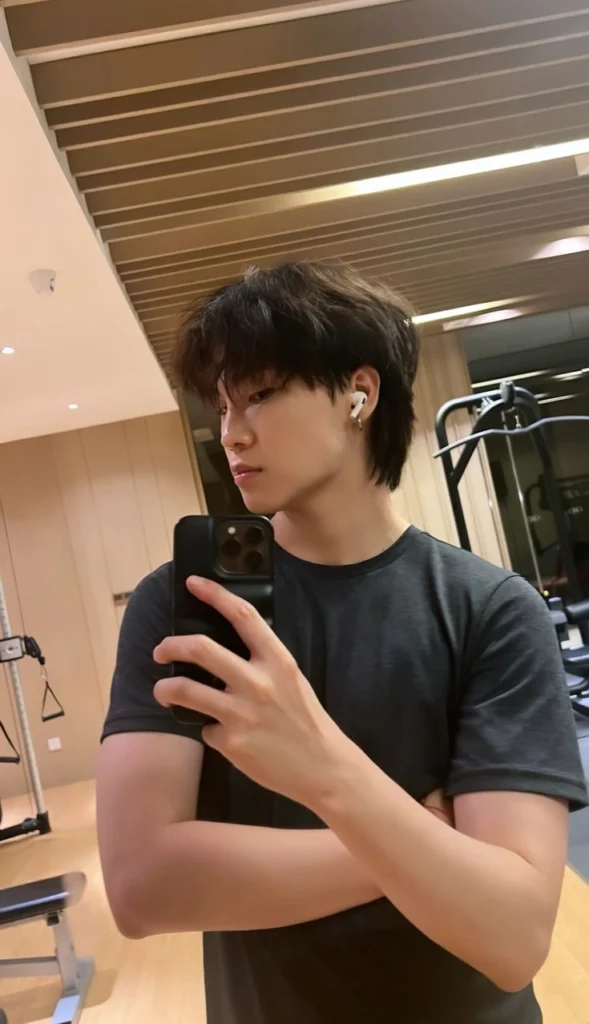
- Korean 2-block technique with disconnected top and mullet back.
- Creates an architectural, fashion-forward silhouette.
- Popular in Asian fashion and K-pop styling.
“This style takes inspiration from the popular Two Block Haircut for Men—a staple in Korean fashion trends.”
33. Wavy Mullet
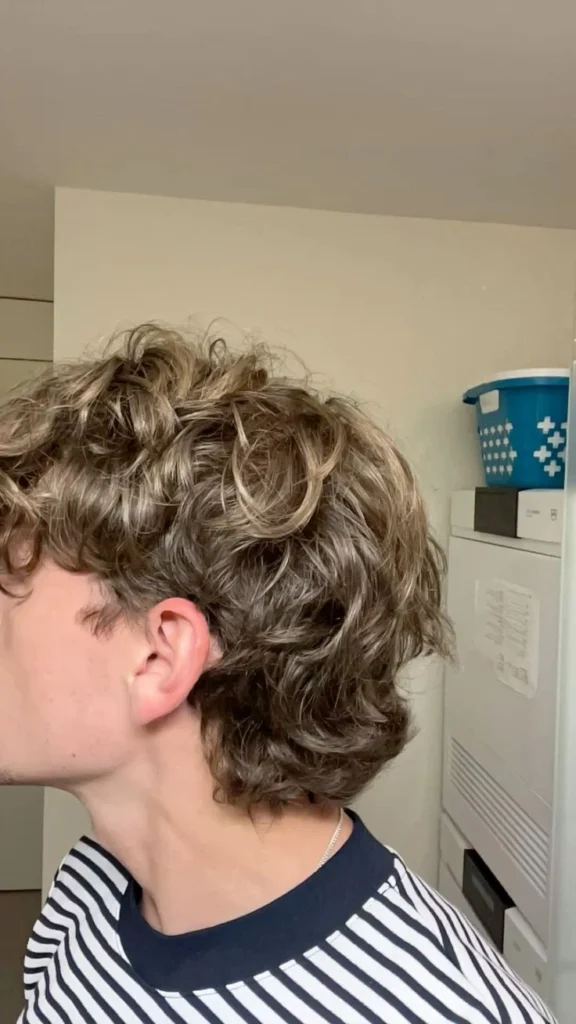
- Natural waves add texture and movement throughout.
- Enhances mullet’s visual interest with organic flow.
How to Get the Perfect Mullet Hairstyle for Men
1. Before Your Appointment
- Collect reference photos showing your desired front length, back length, and fade style.
- Consider your workplace dress code and lifestyle requirements.
- Arrive with clean, dry hair for an accurate assessment.
2. During the Consultation
- Show multiple reference images from different angles.
- Discuss how much contrast you want between the front and the back.
- Specify fade or taper preference for sides.
- Mention your daily styling time and skill level.
3. The Cutting Process
- Barber establishes the front and side length first.
- Back section left longer according to desired mullet intensity.
- Fade or taper blended into sides and around ears.
- Texturizing techniques create movement and reduce bulk.
4. Before You Leave
- Request a styling demonstration showing product application.
- Ask about the maintenance schedule for your specific variation.
- Understand how to manage the awkward growing phases.
How to Style the Mullet Haircut
1. Preparation
- Start with clean, towel-dried hair.
- Apply lightweight styling cream or mousse to damp hair.
2. Drying Method
- Blow-dry front and top sections in the desired direction.
- Use a round brush for volume or a paddle brush for smoothness.
- Allow the back section to air-dry or blow-dry with fingers for natural texture.
3. Product Application
- Use pomade or clay for front styling and control.
- Work texturizing spray or sea salt spray through the back for definition.
- Avoid over-applying product to the back length to prevent weighing it down.
4. Final Touches
- Use fingers to create separation and texture in the back.
- Smooth front with comb or fingers depending on desired finish.
- Optional: light hairspray for all-day hold.
How to Ask My Barber for a Mullet Fade Haircut
1. Show Visual References
- Bring clear photos of mullet variations you like.
- Point out specific elements: front length, back length, fade height.
- Highlight any unique features like texture or layering.
2. Use Specific Terms
- Describe front length: “short crop,” “medium length,” or specific inches.
- Specify back length: “shoulder-length,” “collar-length,” or measurement.
- State fade preference: “low fade,” “mid fade,” “high fade,” or “taper.”
3. Discuss Maintenance
- Ask how often you’ll need trims (typically every 3-4 weeks for fades).
- Understand growing out timeline if you’re starting fresh.
- Request product recommendations for your hair type.
- Most stylists suggest scheduling regular appointments to maintain the fade’s crispness while letting the back continue growing.
4. Consider Your Features

- Oval face: Works with any mullet variation.
- Round face: Longer versions add vertical length.
- Square face: Textured styling softens angular features.
- Long face: Avoid excessive back length that further elongates.
5. Hair Texture Matters
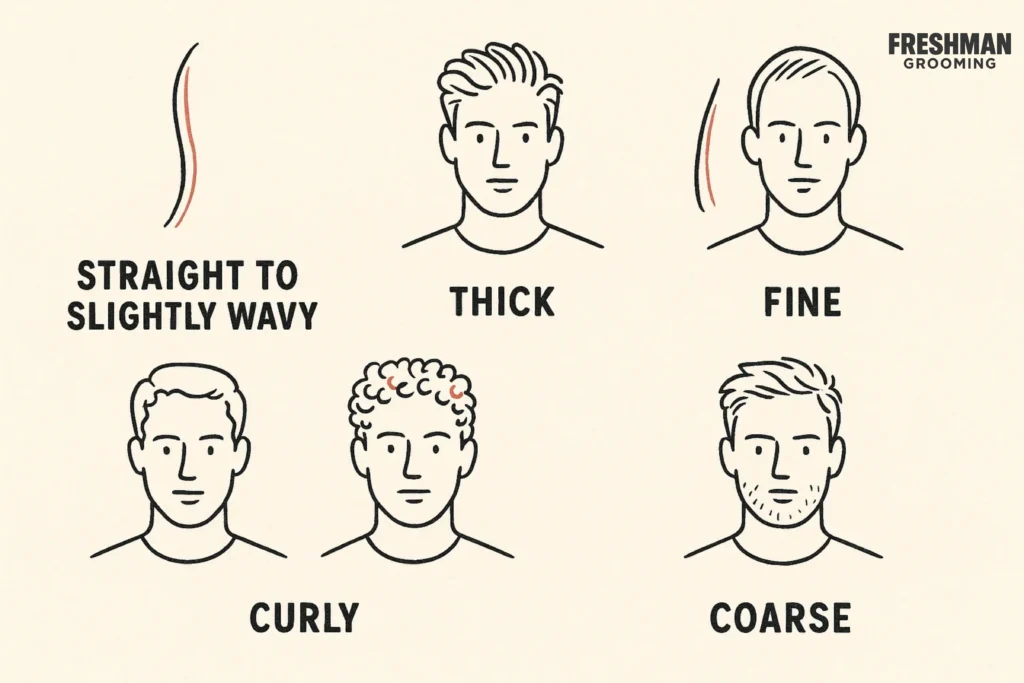
- Straight hair: Shows clean lines and requires texturizing products.
- Wavy hair: Naturally enhances mullet movement and texture.
- Curly hair: Creates impressive volume and unique character.
- Thick hair: Benefits from thinning and layering to reduce bulk.
Gallery Inspo:
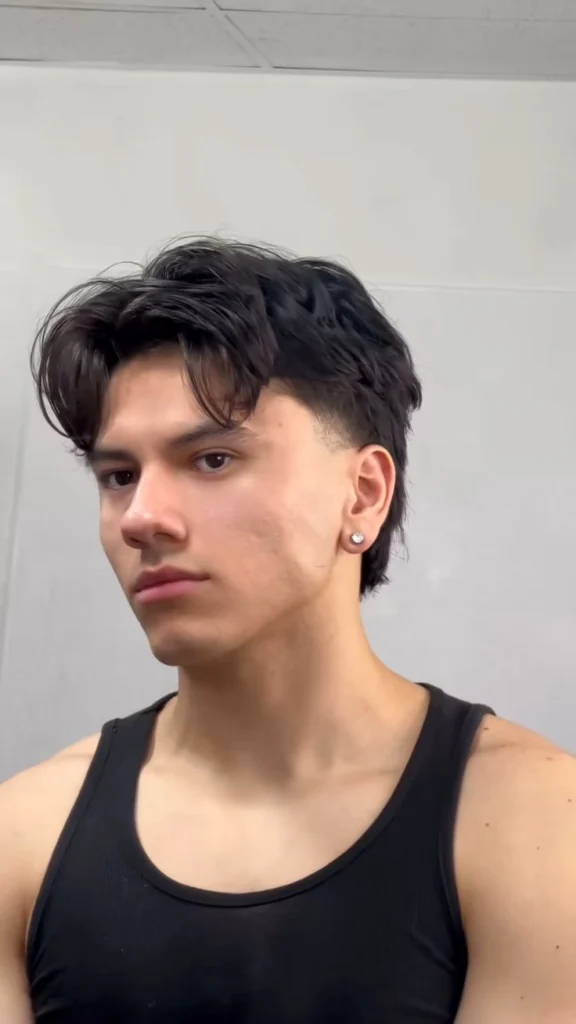
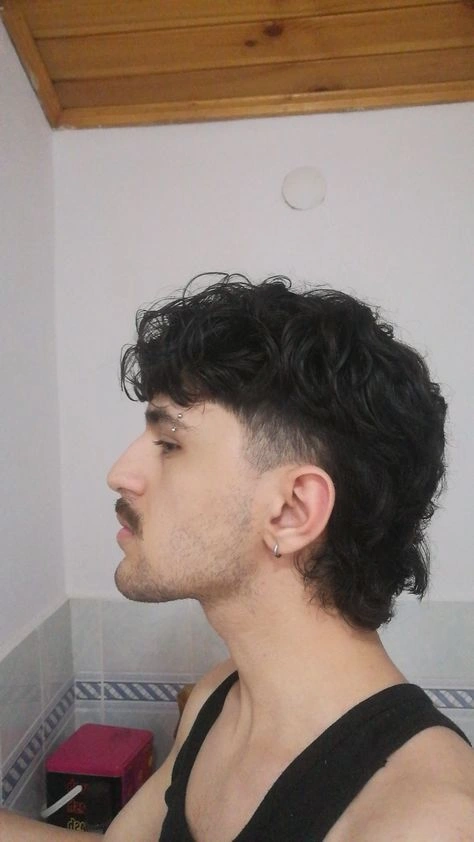
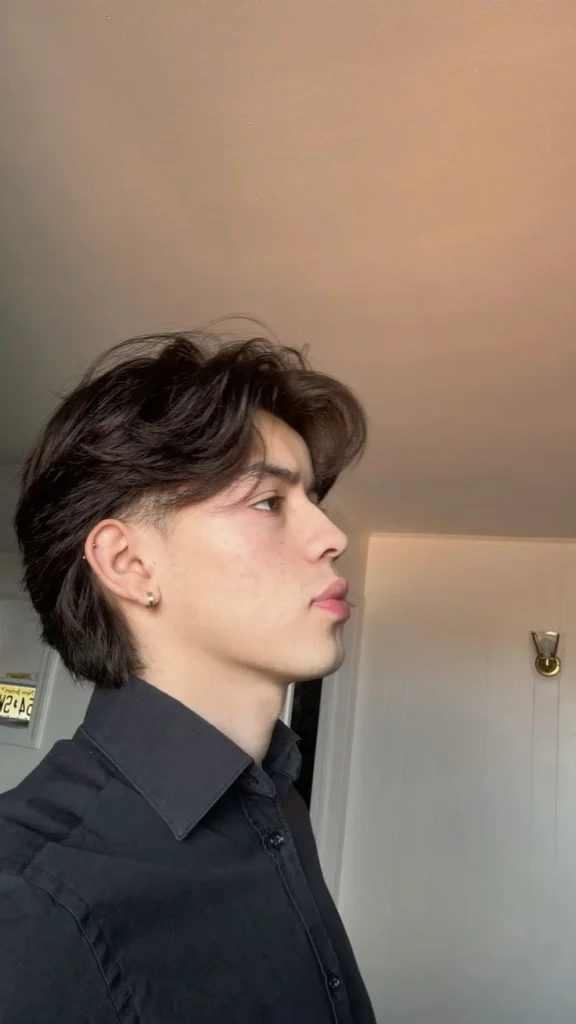
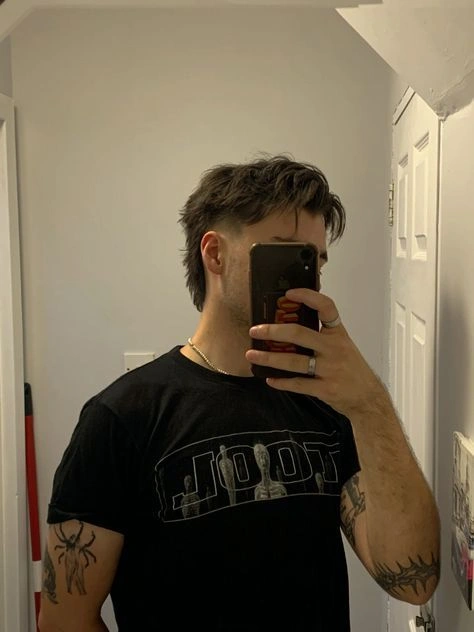
Conclusion
The modern mullet fade has successfully reinvented itself as a legitimate, stylish choice in contemporary men’s grooming. By combining classic structure with modern techniques like fades and textured styling, today’s version offers versatility across professional and casual settings. Success requires commitment to regular maintenance, working with a skilled barber, and finding the right balance for your lifestyle. The mullet’s revival proves that with the right execution, even once-maligned styles can become fashion-forward statements.
Stay connected!
Follow us on social media for the latest men’s haircut trends, grooming tips, and style inspiration.
Are mullet haircuts back in style?
Yes! The modern mullet has experienced a major revival with cleaner execution and contemporary styling across social media and celebrity culture.
Does a mullet haircut suit an oval face?
Perfect match! Oval faces work with all mullet variations due to balanced proportions.
How long does a mullet haircut last?
Faded sides need trimming every 2-3 weeks. Most maintain overall shape every 4-6 weeks while letting the back grow.
Is a mullet haircut good for straight hair?
Yes! Straight hair showcases clean length contrast beautifully. Use texturizing products to add dimension.
What haircut should I get to grow a mullet?
Start with 3-4 inches all over. Keep the back longer while gradually shortening the front and sides over multiple appointments.