

Introduction
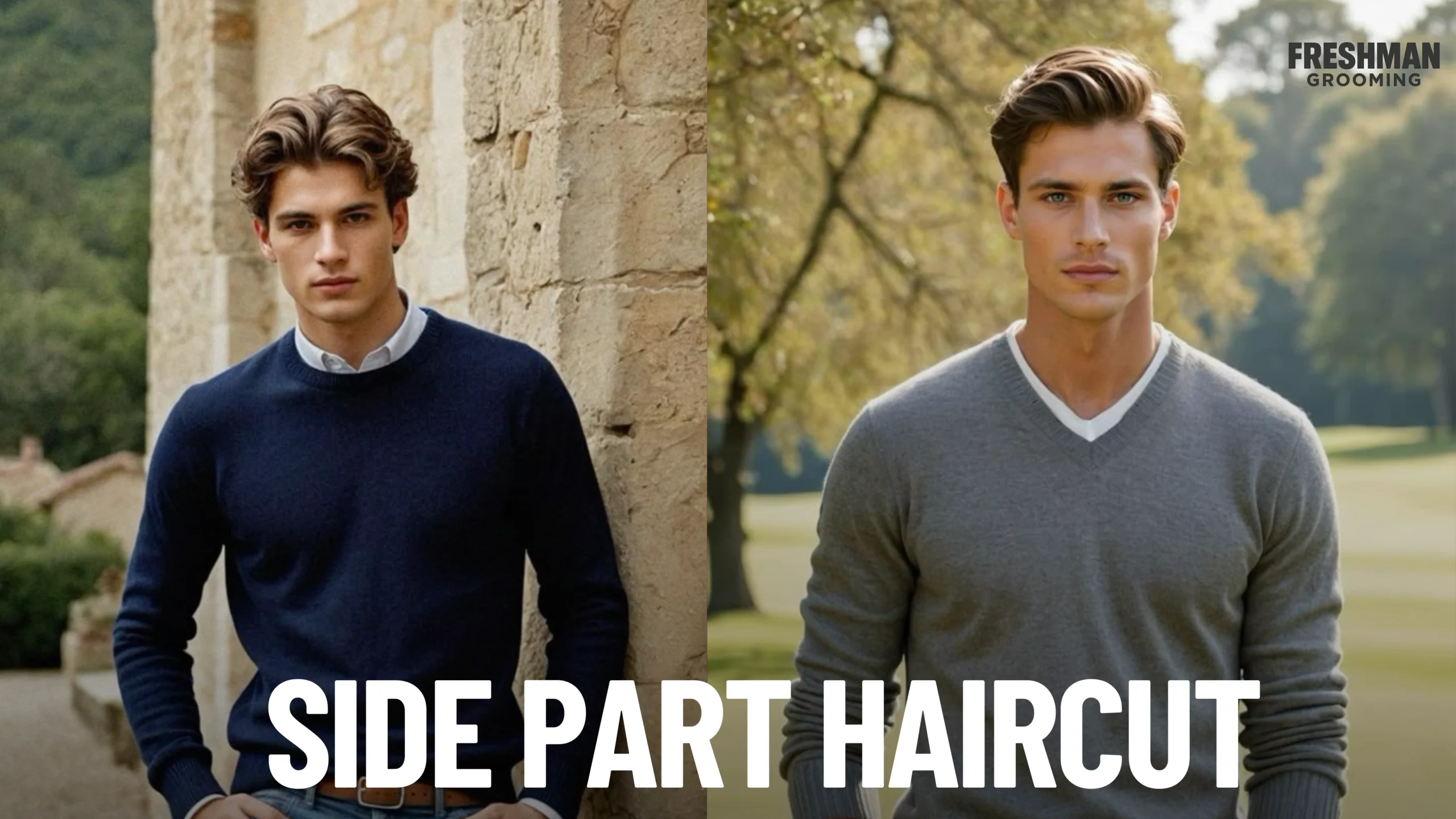
The side part has remained a timeless, versatile choice in men’s grooming, bridging classic sophistication with contemporary style. This elegant cut features a distinct part line creating asymmetrical balance that flatters most face shapes. From boardrooms to casual settings, the side part adapts effortlessly across lifestyles. This comprehensive guide covers 40 variations and everything you need to achieve the perfect side part in 2025.
What is the Side Part Haircut for Men
Definition / Meaning
The side part haircut features hair divided to one side of the head, creating an asymmetrical parting line. This classic styling choice emphasizes one side of the face while creating clean, structured lines that define the hairstyle.
Origins
The side part originated in the early 20th century as a standard business and formal wear style. It gained cultural significance through 1920s gentleman styling and remains popular through various interpretations. Modern versions incorporate contemporary techniques like fades and textured styling while maintaining the classic parting principle.
Side Part Vs Middle Part
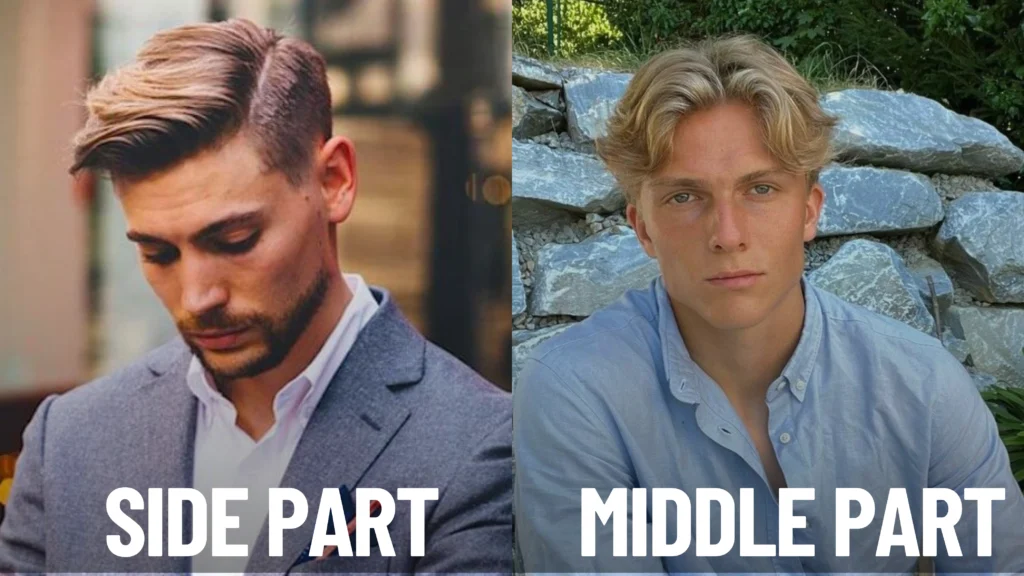
- Side Part: Creates asymmetrical division with one larger section, traditionally formal or classic appearance, emphasizing one side of the face.
- Middle Part: Divides hair evenly down the center, creating symmetry,a softer contemporary aesthetic, and frames both sides of the face equally.
For a complete guide on this look, check the Middle Part Haircut for Men.
Best Side Part Hairstyles for Men
1. Classic Side Part Haircut
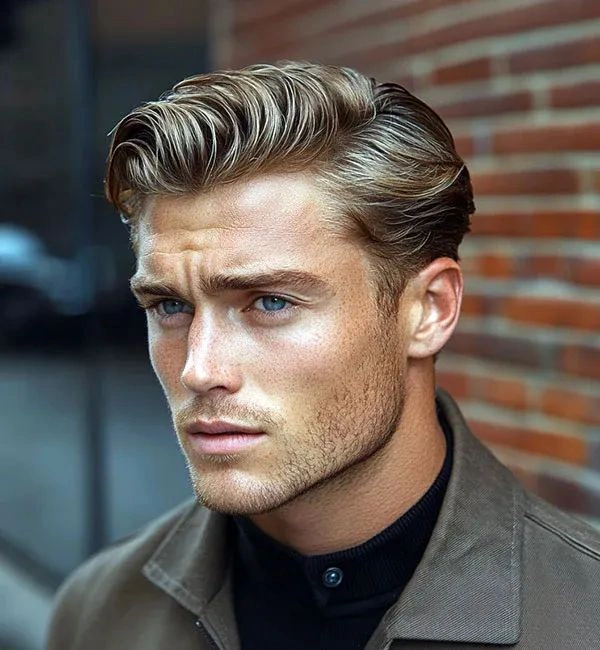
Traditional interpretation featuring clean side division with shorter tapered sides and longer styled top (typically 2-4 inches). Hair combed smoothly to one side with a defined part line. Timeless business-appropriate aesthetic.
Best for: Straight or slightly wavy hair; all face shapes; professional environments.
2. Modern Side Part
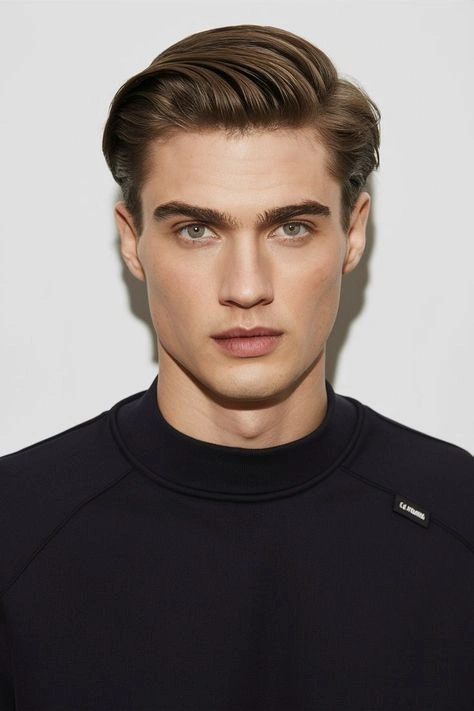
Contemporary update incorporating textured styling, less rigid structure, and often faded sides. Maintains side part foundation while embracing natural movement and piece-y definition rather than slicked perfection.
Best for: All hair types; men seeking classic foundation with current styling.
3. Taper Fade with Side Part
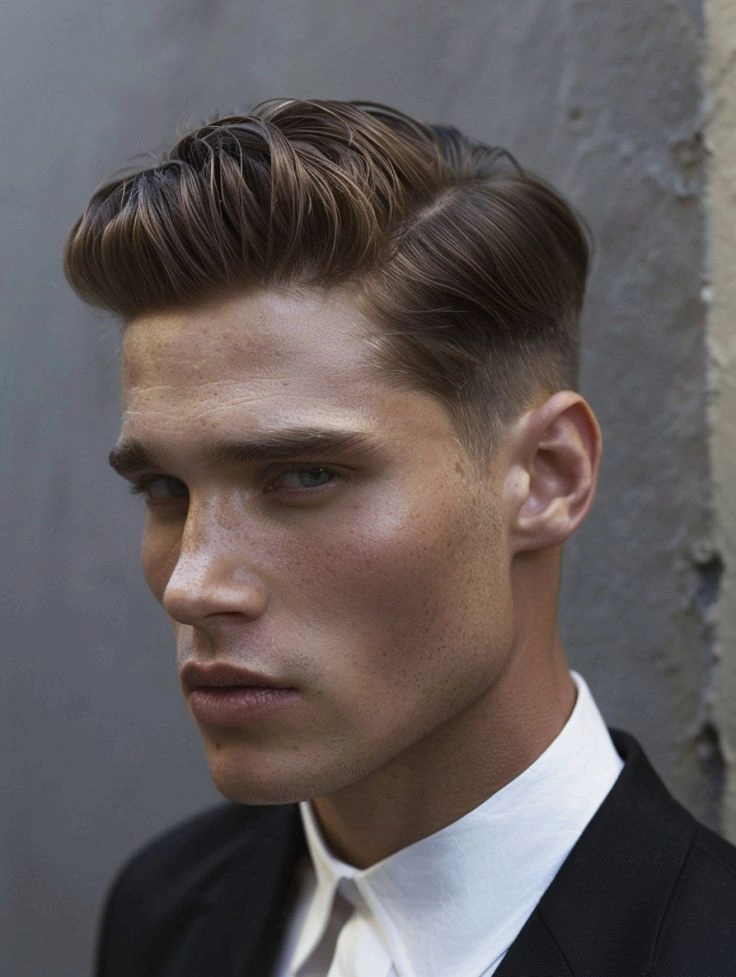
Graduated taper fade on sides and back, providing a clean foundation for side-parted top. Blends classic parting with modern fade techniques, creating a polished yet contemporary appearance.
Best for: All face shapes; those wanting low-maintenance sides with a styled top.
As a barber might recommend: Request fade starting point (low, mid, or high) and specify part placement for optimal balance.
4. Low Taper Side Part

Subtle taper beginning just above the ears, maintaining more length on the sides. A conservative approach is ideal for traditional workplaces while providing a cleaner finish than scissor-cut sides.
Best for: Professional settings; men preferring understated, timeless styling.
5. Long Side Part

Extended top length (4-6+ inches) allows dramatic side-swept styling with flowing movement. Sides can be faded, tapered, or maintained longer for a fuller silhouette.
Best for: Thick or wavy hair; oval or oblong faces; creative professionals.
6. Short Side Part

Compact version with 1-2 inch top length, maintaining visible part division. Provides side part aesthetic with minimal styling requirements and maximum convenience.
Best for: Fine hair; active lifestyles; warm climates; low-maintenance preference.
7. Messy Side Part

Intentionally tousled styling with a relaxed, undone appearance. Part remains visible, but hair features a textured, piece-y finish rather than smooth combing.
Best for: Wavy or thick hair; casual settings; effortless aesthetic.
8. Low Fade Side Part
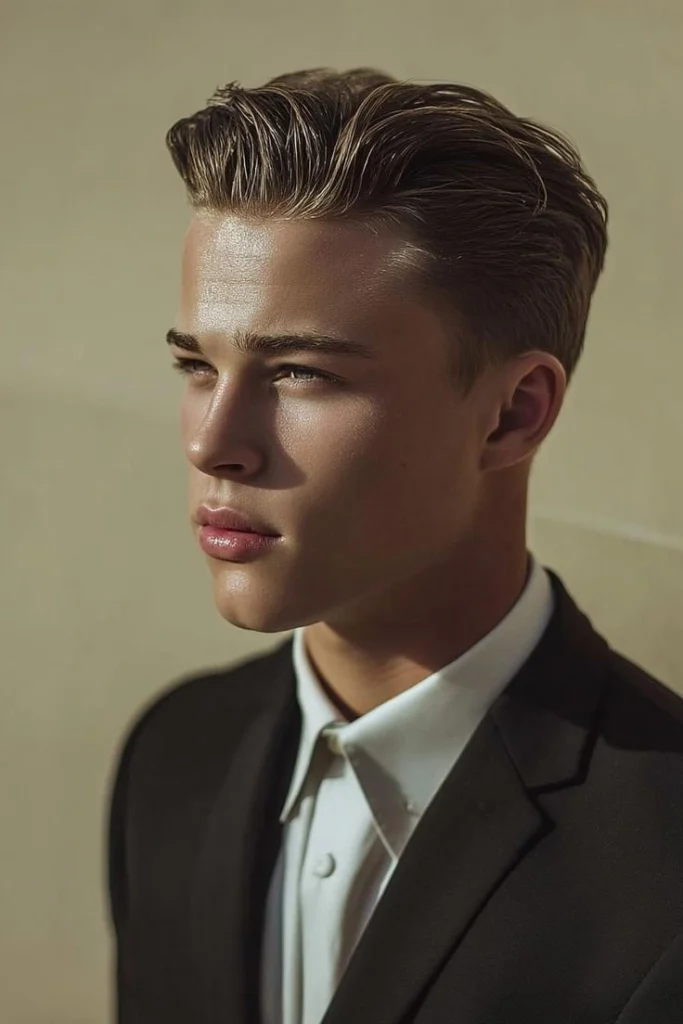
Skin or near-skin fade starting low on sides (around temple level), gradually blending upward. Creates clean contrast with parted top while maintaining conservative fade placement.
Best for: All face shapes; professional yet contemporary styling.
9. Side Part Fade
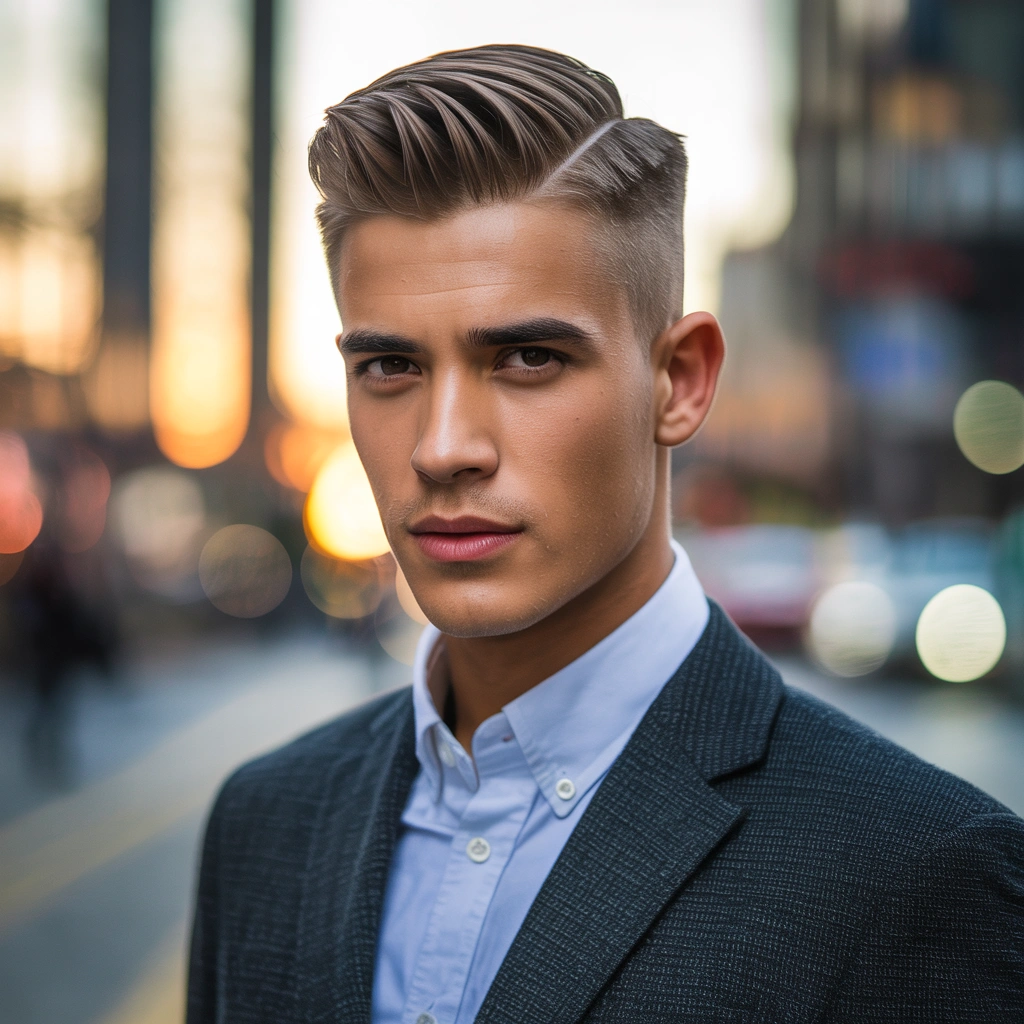
The general category encompasses various fade levels (low, mid, high) paired with a side-parted top. Offers modern interpretation blending classic parting with contemporary barbering.
Best for: Men seeking a versatile style that adapts to multiple settings.
10. Side Part Drop Fade
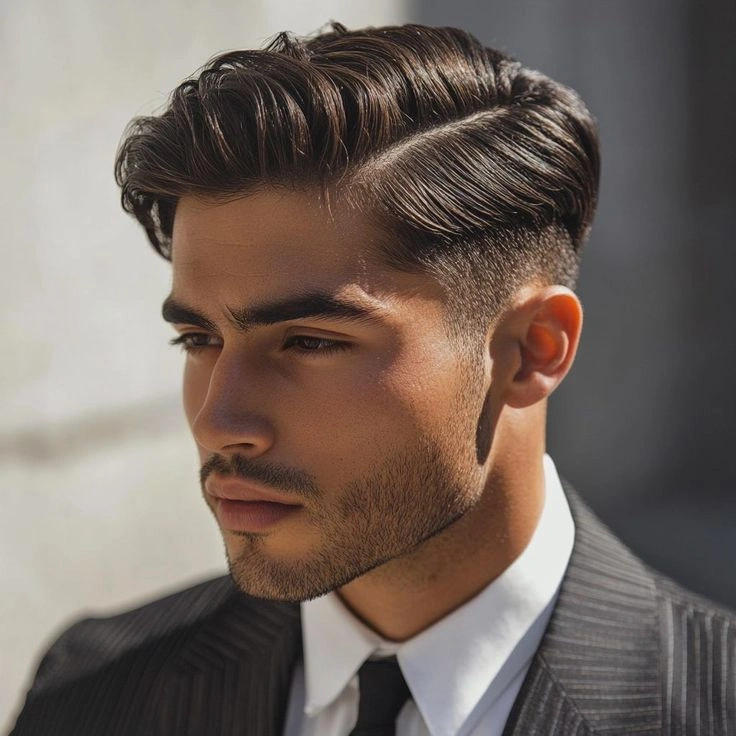
Curved drop fade following the head’s natural contour behind the ears. Adds artistic detail and visual interest while maintaining a clean side part foundation.
Best for: Oval or diamond face shapes; those wanting distinctive fade variation.
11. Classic Taper with Side Part
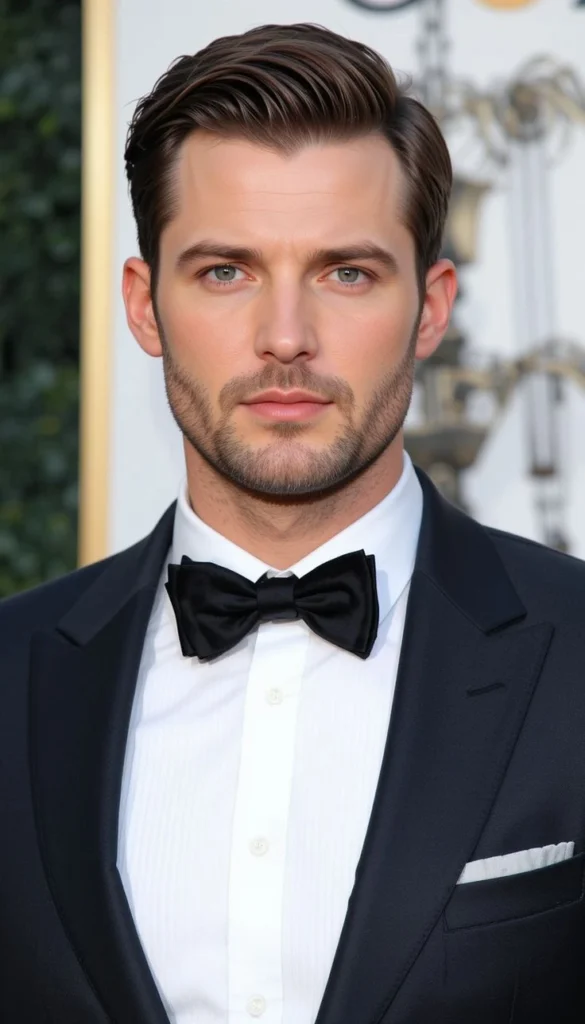
Traditional scissor-tapered sides blend gradually from longer to shorter without skin fade. Provides a timeless, conservative finish honoring the side part’s heritage.
Best for: Professional environments; mature men; those preferring traditional barbering.
12. Side Part Asian
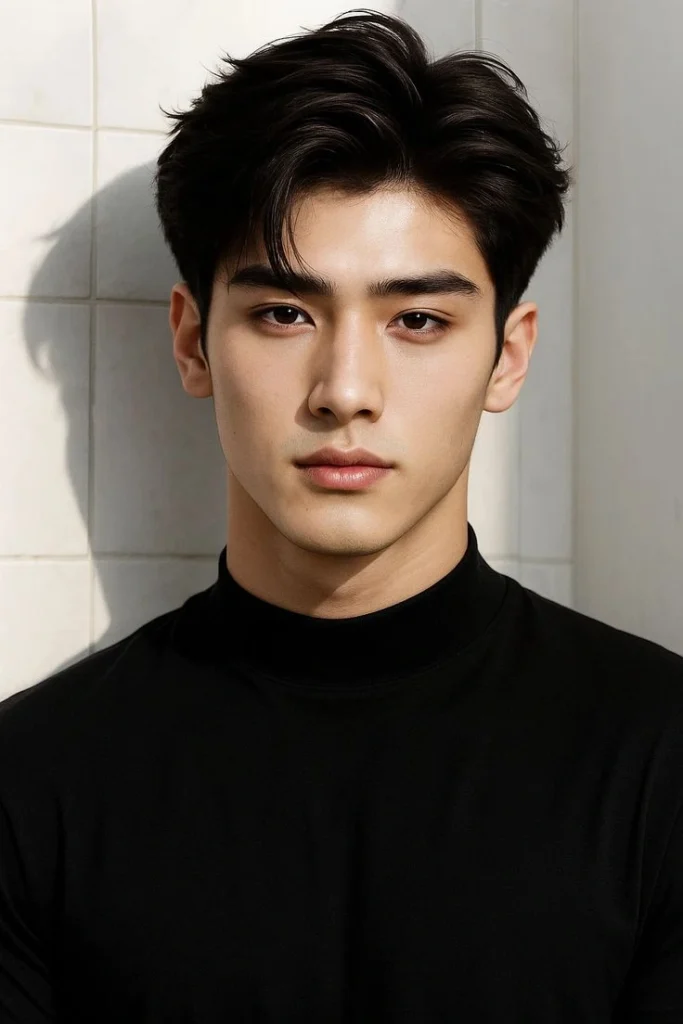
Leverages naturally straight, thick Asian hair texture for sharp, defined part lines. Often incorporates a textured top with clean tapered or faded sides, creating a contemporary Asian menswear aesthetic.
Best for: Thick, straight hair; all face shapes with proper length adjustment.
13. Side Part Korean
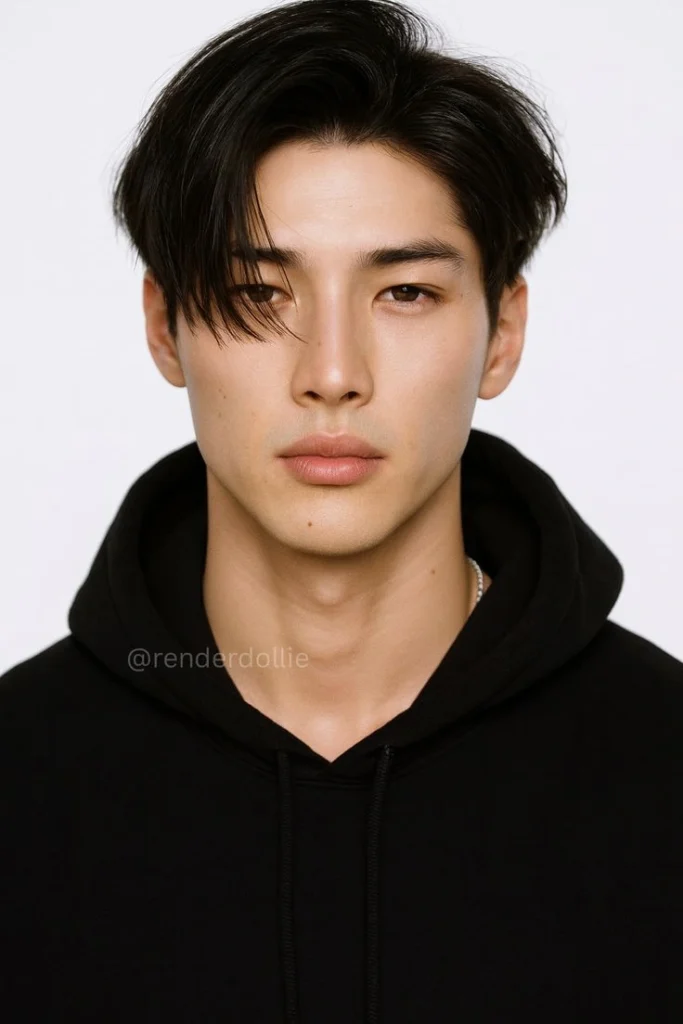
K-influenced interpretation featuring softer styling, textured layers, and often medium to longer length. Part may be subtle with face-framing sections creating a romantic, polished appearance.
Best for: Straight or wavy hair; round, oval, or heart-shaped faces.
If you enjoy Korean-inspired hairstyles, you’ll also like the Two Block Haircut Guide
14. Side Part Afro

Natural afro texture shaped with a defined side part, creating asymmetrical volume distribution. Parts can be razor-defined or naturally formed, showcasing texture while maintaining structured styling.
Best for: Type 4 hair; celebrating natural texture with intentional styling.
15. Curtain Bangs Side Part
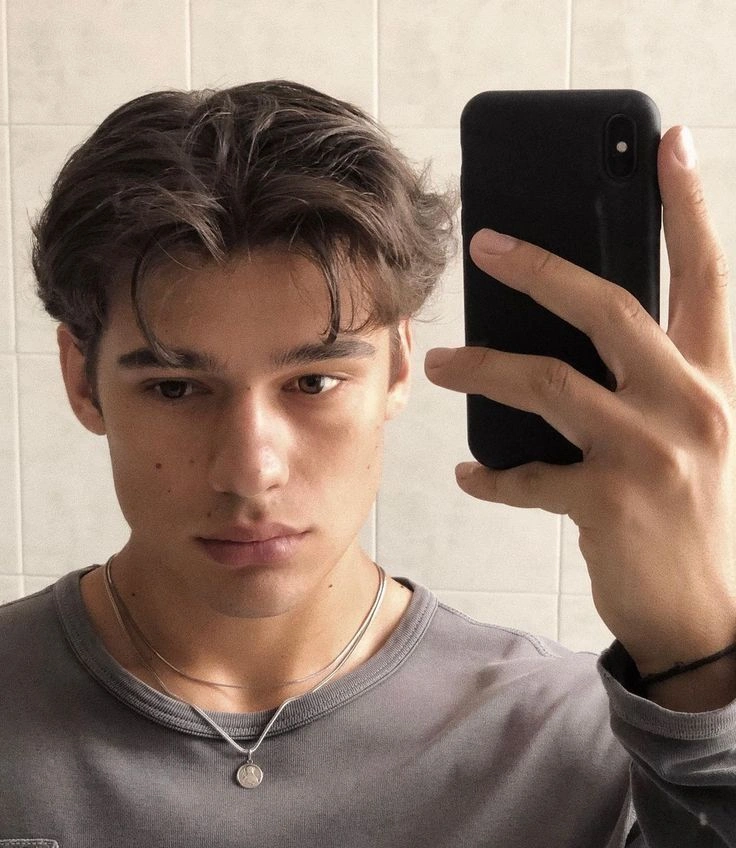
Combines curtain bang framing with side part structure. Bangs part slightly off-center, creating face-framing sections while maintaining directional side-swept styling through length.
Best for: Medium to long hair; oval or heart-shaped faces.
16. Side Part Bob
Blunt or textured bob-length cut (chin to shoulder) styled with a side part. Creates a sophisticated, fashion-forward appearance blending structured parting with flowing length.
Best for: Thick or wavy hair; creative professionals; fashion-conscious styling.
17. Side Part Braids

Incorporates braiding (cornrows, box braids, etc.) with a defined side part line. Part creates an asymmetrical braid pattern distribution, adding visual interest and styling versatility.
Best for: Type 3-4 hair; protective styling; cultural expression.
18. Burst Fade Side Part
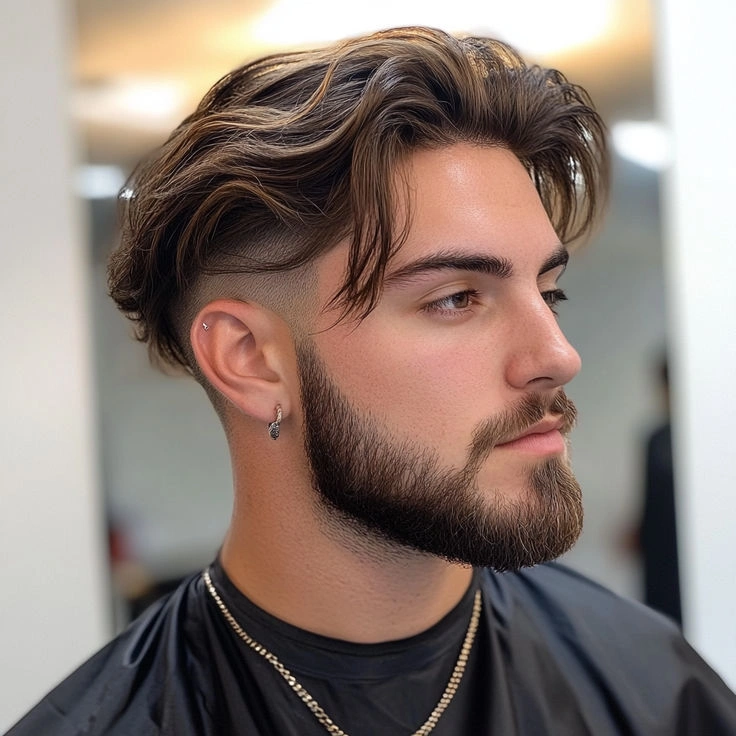
Semi-circular burst fade radiating around the ears while maintaining length at the top. Combined with a side part creates a distinctive, eye-catching fade variation.
Best for: Oval or diamond faces; those wanting a unique fade interpretation.
19. Side Part Mid Fade
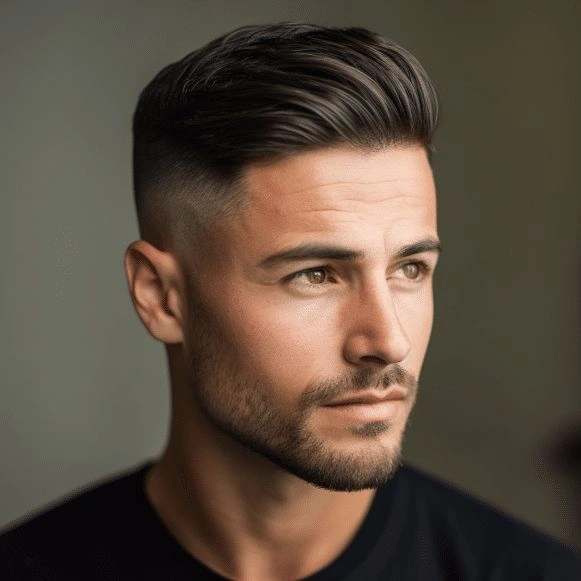
Fade begins around temple level, blending upward to a longer top. Balances clean sides with sufficient top length for prominent part styling.
Best for: Most face shapes; versatile professional-to-casual styling.
20. Medium Length Side Part
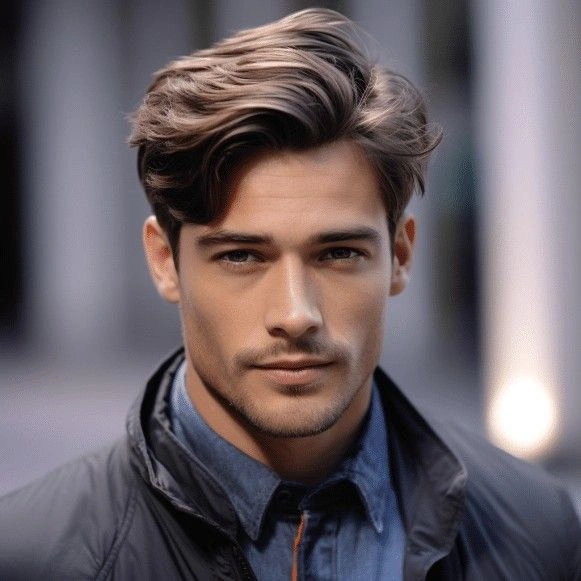
Moderate top length (3-4 inches) provides styling versatility without excessive length. Sweet spot for most men, balancing manageability with styling options.
Best for: All hair types and face shapes; daily styling commitment.
21. Blonde Side Part
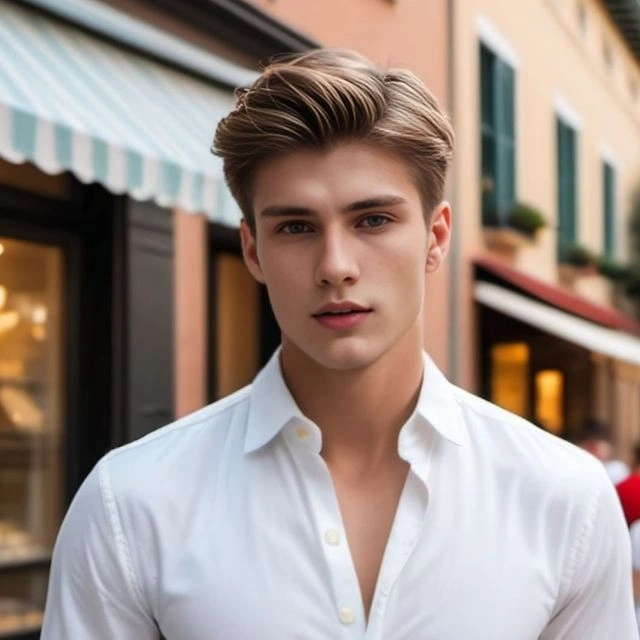
Light hair color highlights the part line definition and adds dimensional contrast. Color can range from natural blonde to platinum, creating varied aesthetic impacts.
Best for: Those seeking color enhancement; warm or cool skin tones, depending on blonde shade.
22. Side Part 90s
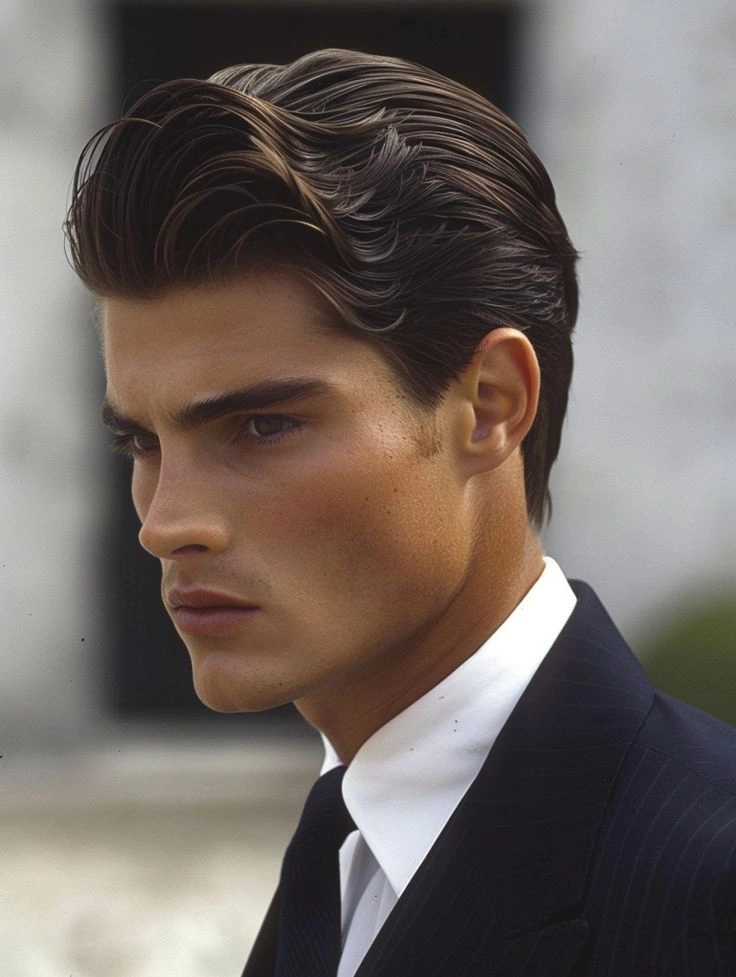
Nostalgic ’90s interpretation featuring relaxed, less structured styling often with longer top length and natural part. Think Leonardo DiCaprio or young Brad Pitt aesthetic.
Best for: Wavy or straight hair; retro-inspired personal style.
23. Side Part Y2K
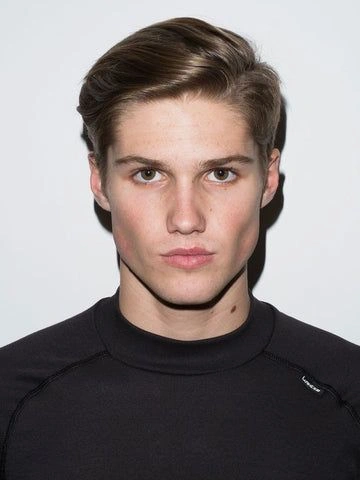
Early 2000s revival featuring spiky texture, frosted tips potential, and defined part line. Captures millennium-era aesthetic with contemporary refinement.
Best for: Straight or wavy hair; bold, trend-conscious styling.
24. Side Part Curly Hair
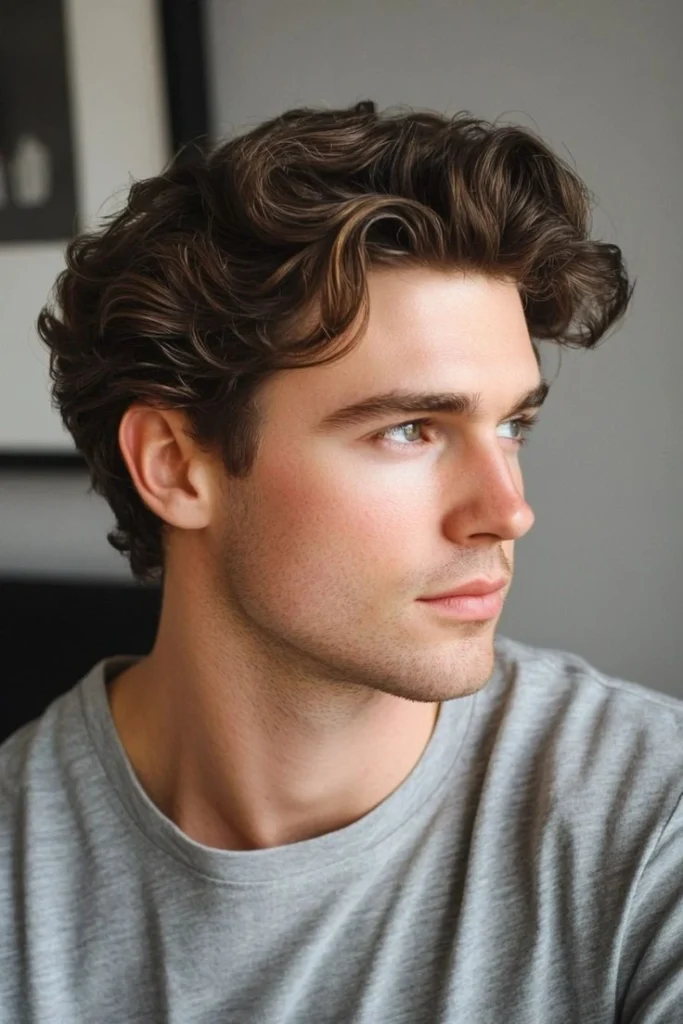
Natural curls styled with a defined side part, creating an asymmetrical curl pattern distribution. Part can be formed while damp and maintained through product and styling.
Best for: Type 2C-3C curls; showcasing natural texture with structure.
25. Side Part Straight Hair

Straight texture creates the sharpest, most defined part lines. Ideal for achieving classic slicked styling or modern textured interpretations with crisp division.
Best for: Fine to medium straight hair; those wanting a precise, polished appearance.
26. Side Part Edgar

Combines Edgar/Caesar-style blunt straight fringe with side part structure. Creates bold, fashion-forward look blending Latino barbering traditions with parted styling.
Best for: Thick, straight hair; those wanting a distinctive, culturally influenced style.
For something similar but more structured, see the Edgar Haircut Guide.
27. Early 2000s Side Part
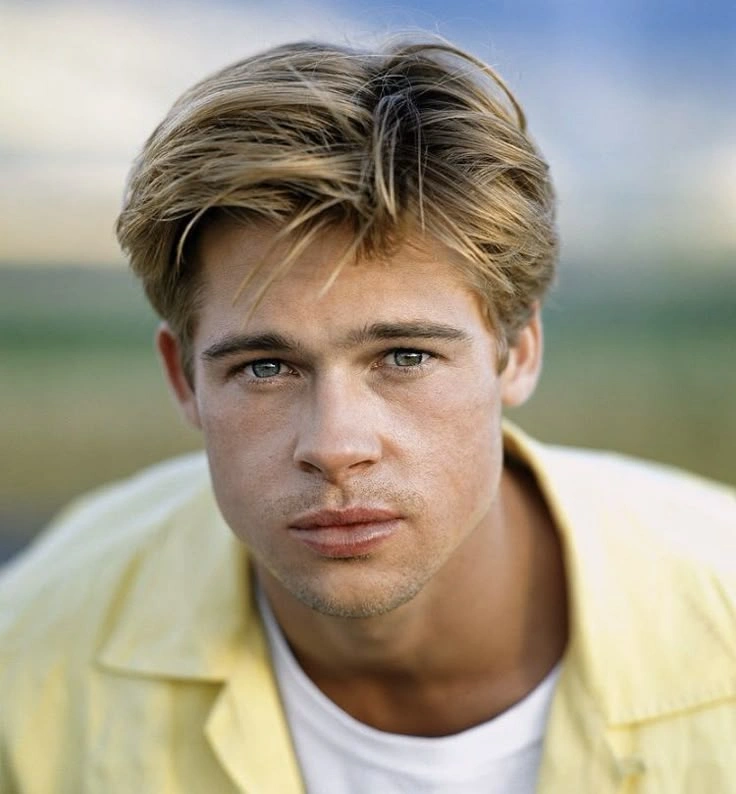
Specific early millennium interpretation featuring spiky, piece-y texture with a defined part. Often incorporated highlights or frosted tips, capturing the era’s aesthetic.
Best for: Straight or wavy hair; nostalgic or ironic styling approach.
28. Side Part Flow Haircut
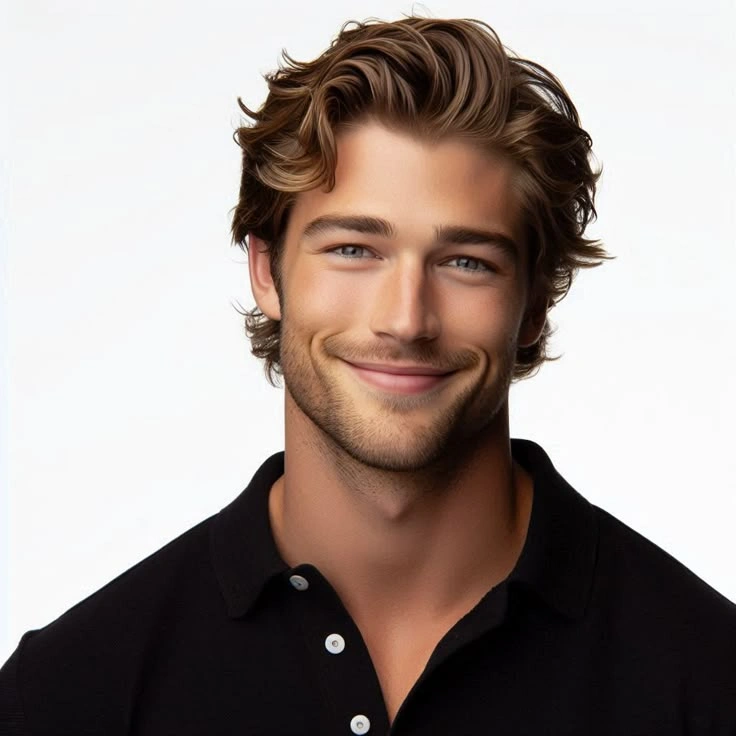
Longer flowing hair (collar-length or beyond) styled with a side part, creating directional movement. Popular in hockey, surf, and skate cultures.
Best for: Thick or wavy hair; active lifestyles; laid-back aesthetic.
29. Side Part Fringe

Incorporates forward fringe/bangs with side part structure. Fringe can be textured, blunt, or side-swept, creating a youthful, fashion-forward appearance.
Best for: Hiding high foreheads; round or square faces.
30. Side Part Ivy League Haircut
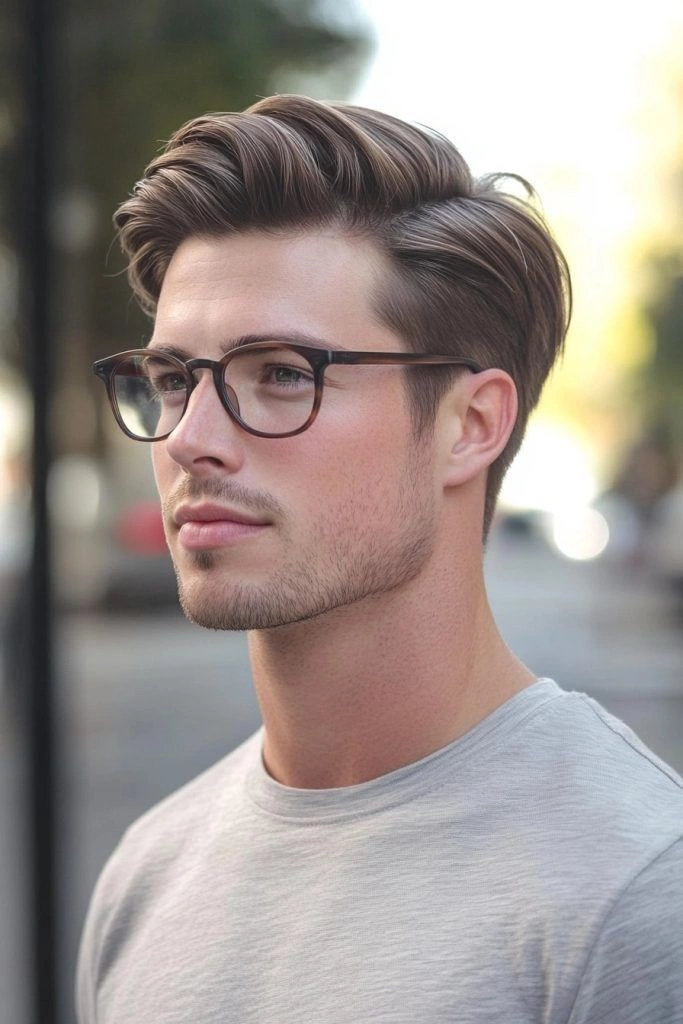
Conservative short cut featuring a side part with tapered sides. Slightly longer than a crew cut, allowing distinct part styling while maintaining a neat, collegiate appearance.
Best for: Professional settings; conservative style preferences; low maintenance.
31. Side Part Mullet

Business-in-front, party-in-back structure with side-parted top section. Creates a unique hybrid blending classic parting with the contemporary mullet trend.
Best for: Thick hair; creative fields; bold style choices.
32. Old Money Side Part Hairstyle
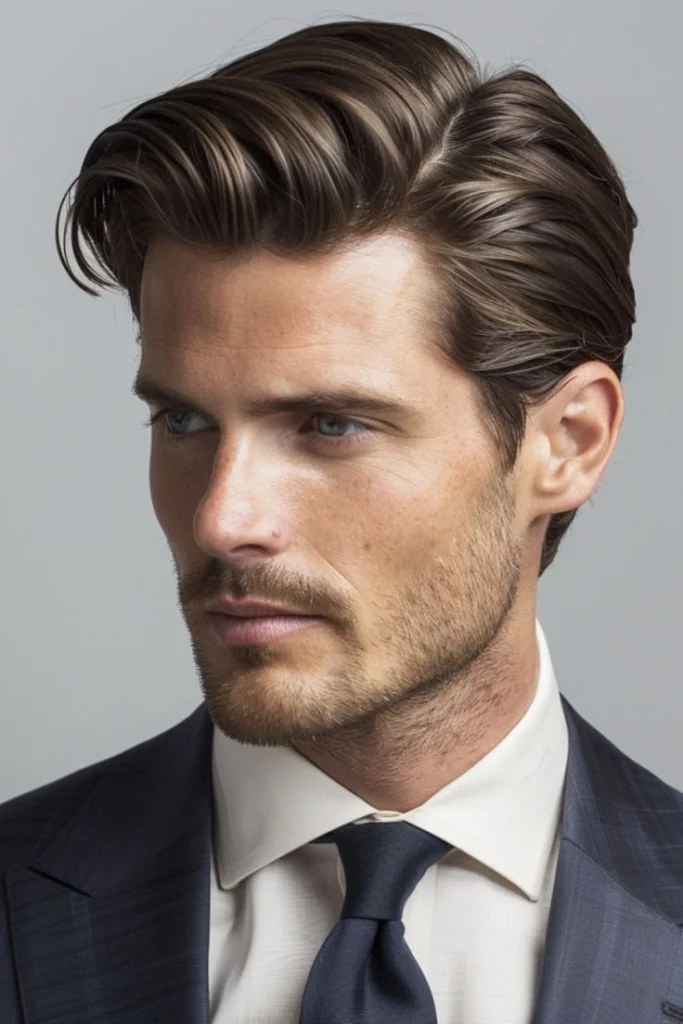
Refined, sophisticated interpretation evoking wealth and classic taste. Features clean taper, polished styling, and timeless proportions, suggesting established elegance.
Best for: Professional settings; formal occasions; classic menswear aesthetics.
Most stylists suggest: Use traditional pomade for an authentic vintage finish with subtle shine.
33. Quiff Side Part
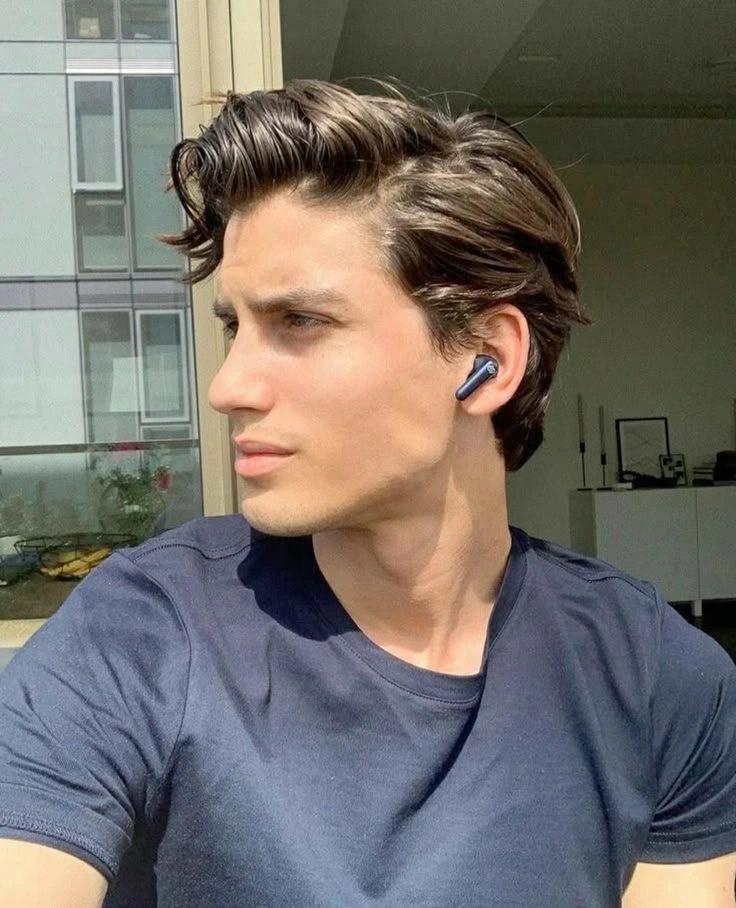
Combines voluminous quiff styling with side part foundation. Front section lifted and swept back while maintaining visible side division, creating a dimensional, textured appearance.
Best for: Thick or wavy hair; those wanting height and volume.
34. Side Part Slick Back

Hair combed back from the side part line, creating a smooth, polished appearance. Can feature a high shine or a more natural matte finish, depending on product choice.
Best for: Formal occasions; straight or wavy hair; classic aesthetic.
35. Side Part Shag
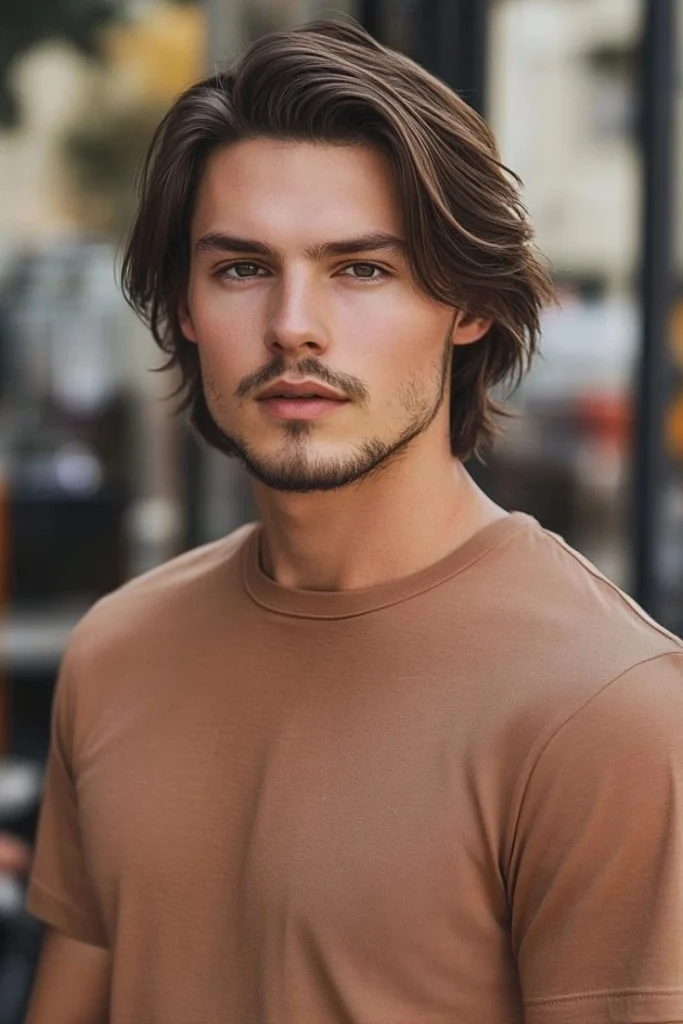
Layered, textured shag cutting combined with side part structure. Creates a relaxed, lived-in appearance with intentional directional styling through part placement.
Best for: Wavy or thick hair; casual, effortless aesthetic.
If you want to explore another timeless cut, check out the Shaggy Haircut for Menwhich also evolved through decades of men’s style.
36. Wavy Side Part

Natural waves enhance side part movement and texture. Waves can be styled smooth or left natural for a dimensional, textured finish.
Best for: Type 2A-2C waves; adds natural volume and movement.
37. Side Part Kids
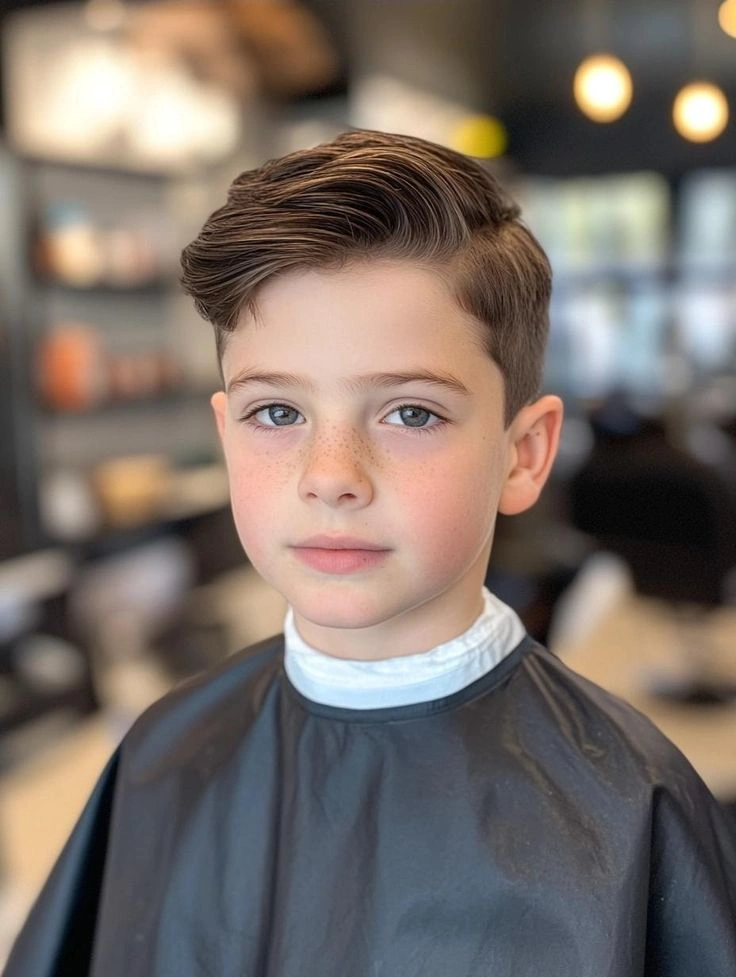
Age-appropriate version featuring manageable length and simple styling. Captures classic side part aesthetic with child-friendly maintenance requirements.
Best for: Straight or wavy hair; school-appropriate styling.
38. Side Part Undercut

Dramatic undercut sides (very short or shaved) with disconnected longer top styled with a side part. Creates bold contrast and edgy interpretation.
Best for: Thick hair; fashion-forward styling; making a strong statement.
39. Side Part Wolf Cut
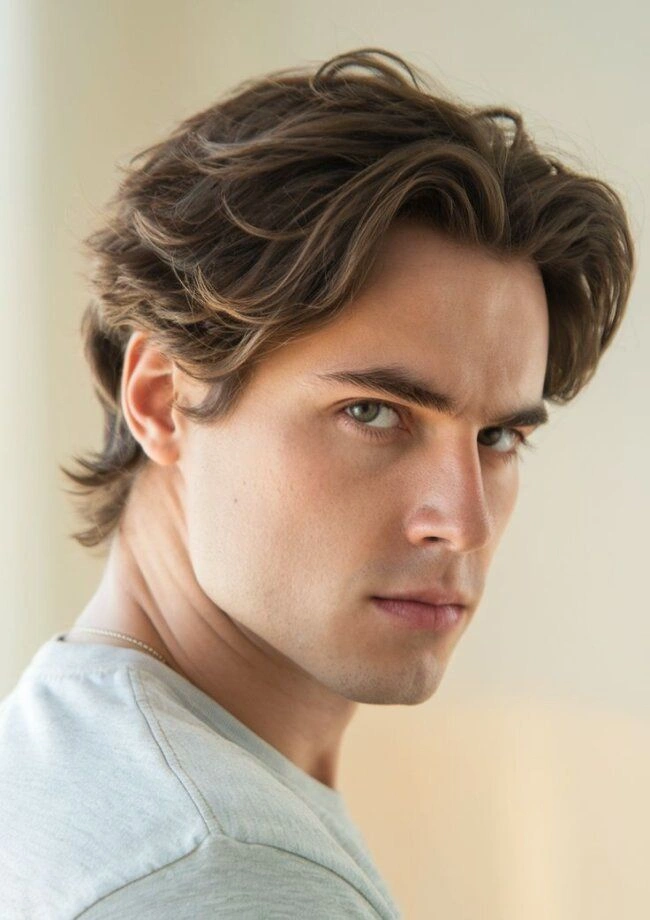
Wolf cut’s dramatic layering combined with the side part structure. Heavy crown layers create volume while the part provides directional styling foundation.
Best for: Thick or wavy hair; bold, fashion-conscious aesthetic.
40. Side Part Zero Fade

Skin fade (0 guard) starting at the lowest point, creating maximum contrast with longer parted top. Sharpest, cleanest fade variation providing dramatic definition.
Best for: All face shapes; those wanting the boldest fade contrast.
41. 2 Block Haircut Side Part
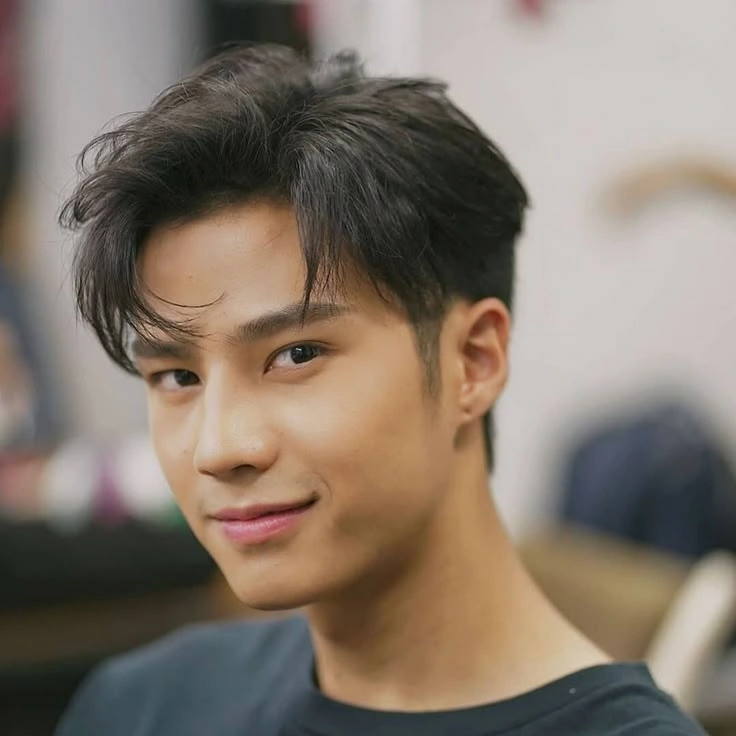
Korean-influenced disconnected cut featuring shorter sides with longer, textured top styled with side part. Creates a clean separation between sections with a modern aesthetic.
Best for: Thick, straight hair; contemporary Korean-inspired styling.
How to Get the Perfect Side Part Haircut: Step-by-Step Guide
Preparation
- Determine the natural part location on your head.
- Gather reference photos showing the desired length and fade style.
- Arrive with clean, naturally dried hair.
Consultation
- Show multiple photos from different angles.
- Specify desired part placement (high, middle, or lower).
- Discuss fade type, taper, or maintained sides.
- Mention styling commitment and product experience.
The Cutting
- Barber establishes the side length through fade or taper.
- Top cut to the desired length, maintaining parting ability.
- A clear part line was created during cutting.
- Face-framing layers added if desired.
Before Leaving
- Watch the part creation and styling demonstration.
- Get product recommendations for your hair type.
- Schedule maintenance (typically 3-4 weeks for fades).
How to Style a Side Part Hairstyle for Men
Start
- Begin with damp, towel-dried hair.
- Apply styling cream or pomade while damp.
Create Part
- Use a rat-tail comb for a precise part line.
- Part from the front hairline moving back.
- Ensure clean, visible division.
Blow-Dry
- Dry each side separately, directing away from the part.
- Use a round brush for volume or a paddle brush for smoothness.
- Dry completely for lasting hold.
Product
- Apply pomade, cream, or clay depending on the desired finish.
- Work through lengths, avoiding roots.
- Style to one side, maintaining the visible part.
Finish
- Ensure the part line remains sharp and visible.
- Comb for a sleek finish or use fingers for texture.
Maintenance
- Trim every 3-4 weeks for fades, 4-6 weeks for tapers.
- Wash 2-3 times weekly with quality conditioner.
- Use pomade or cream daily for part maintenance.
- Most stylists suggest scheduling regular appointments for consistency.
How to Ask My Barber for a Side Part Haircut
Visual References
- Bring clear photos of side part styles you like.
- Show front and side views emphasizing part placement.
- Highlight fade or taper preference.
How to Cut a Side Part Haircut
- Determine side treatment (fade, taper, or maintain).
- Cut sides using clippers or scissors accordingly.
- Section the top hair to establish the part line.
- Cut the top to the desired length, maintaining parting ability.
- Add layers for texture if desired.
- Create a sharp part line during cutting.
- Check symmetry and balance on both sides.
Who Should Get a Side Part?
Best Face Shapes
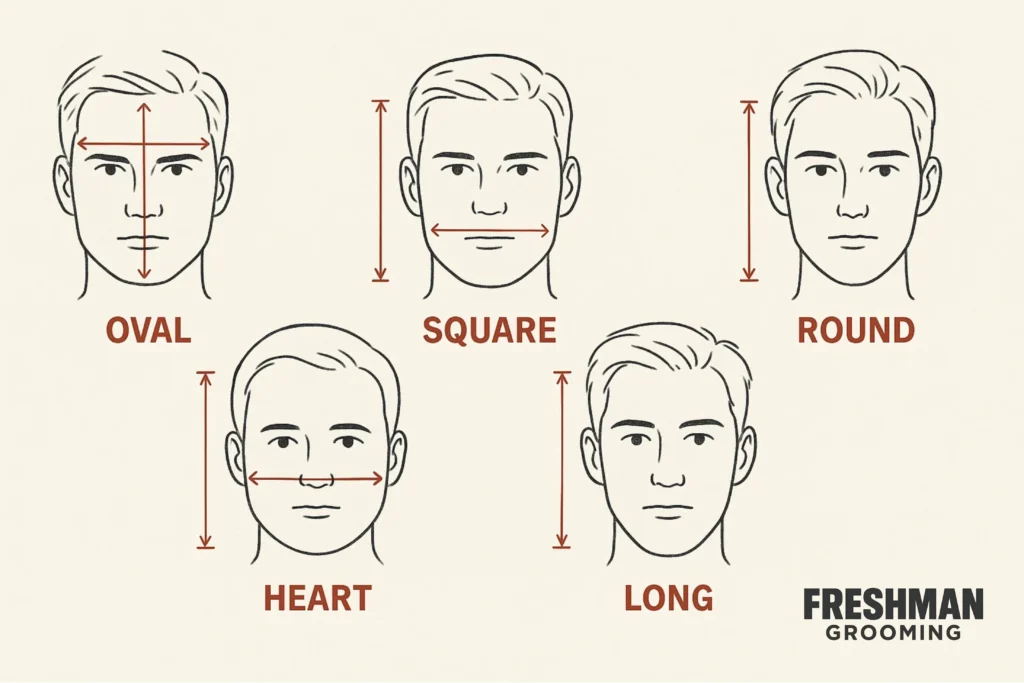
Ideal Shapes
- Oval: Works beautifully with any side part variation.
- Square: Asymmetry softens the angular jaw and forehead.
- Long/Rectangle: Adds width through side styling.
Hair Type Considerations
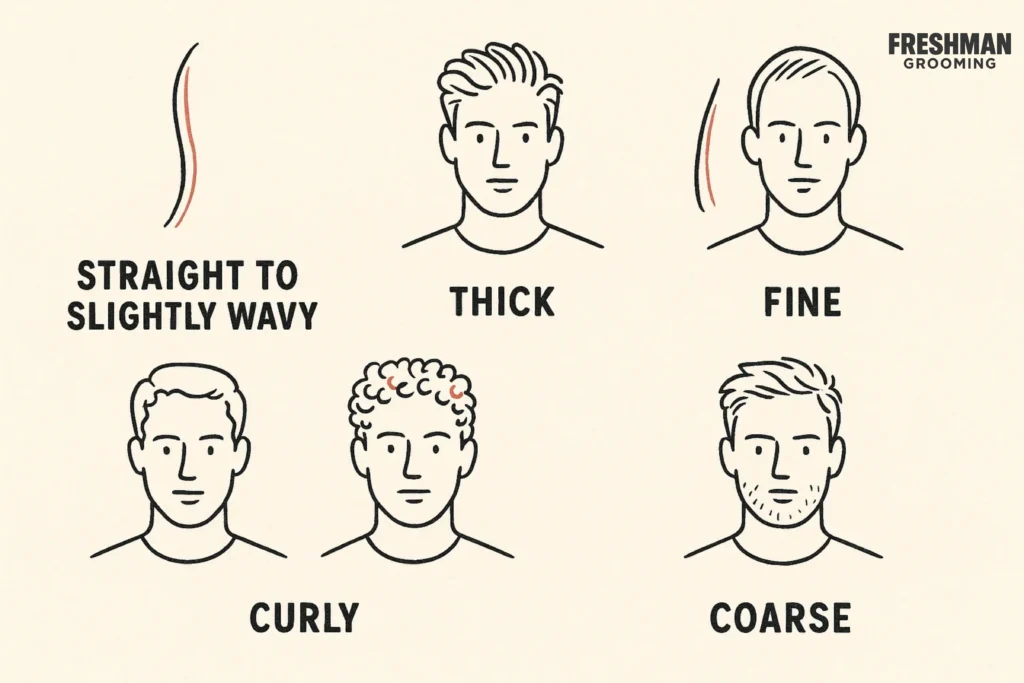
- Straight hair: Creates a clean, sharp part line easily.
- Wavy hair: Adds natural texture and movement.
- Curly hair: Works with curl-defining products and proper care.
- Thick hair: Benefits from fading or tapering sides to reduce bulk.
- Thin hair: Works well with textured styling, adding dimension.
Celebrity Side Part Haircut Inspiration
Zayn Malik’s Side Part
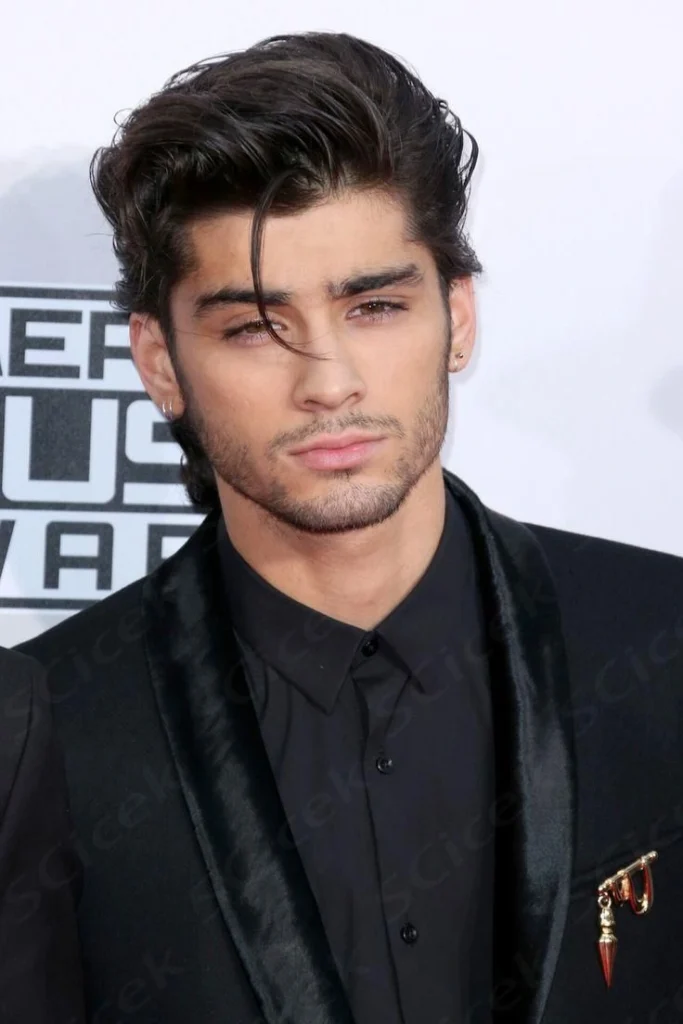
Zayn Malik has made the side part iconic through various interpretations ranging from slicked-back versions to textured, modern styling. His approach demonstrates the side part’s versatility from casual to formal settings.
Ryan Gosling’s Side Part
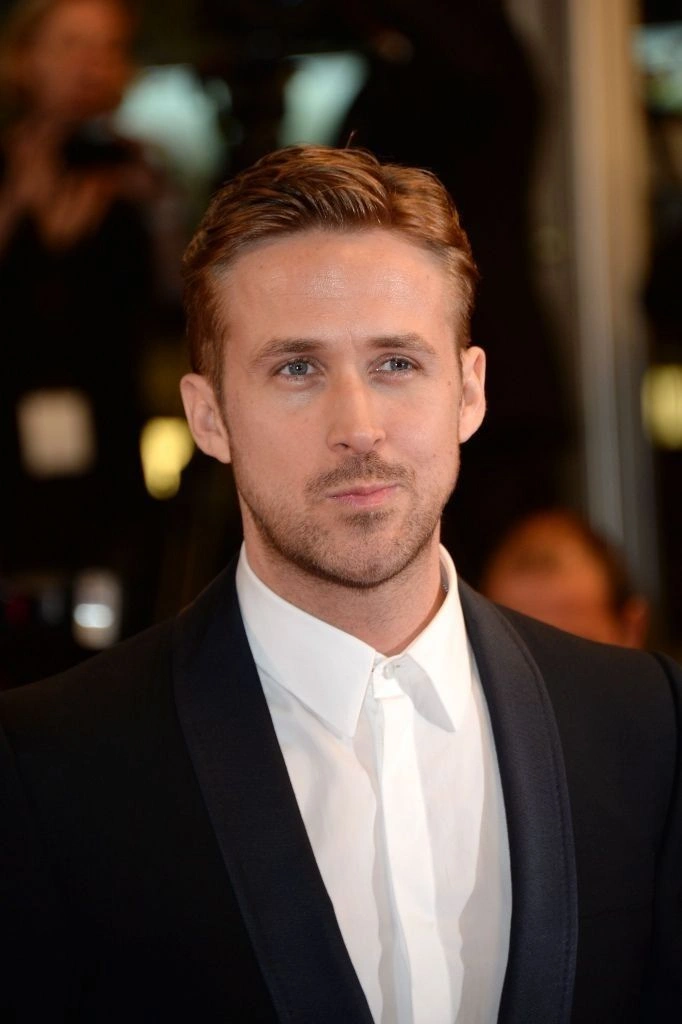
Ryan Gosling frequently wears refined, sophisticated side parts that showcase the cut’s timeless appeal. His styling proves the side part remains eternally relevant across decades and aesthetic preferences.
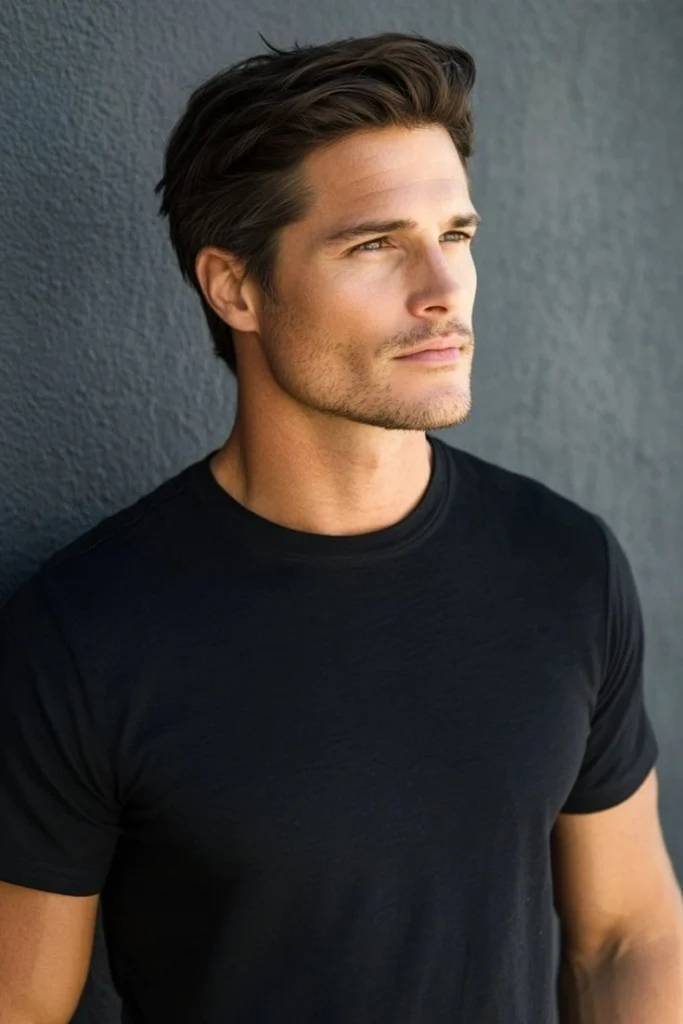
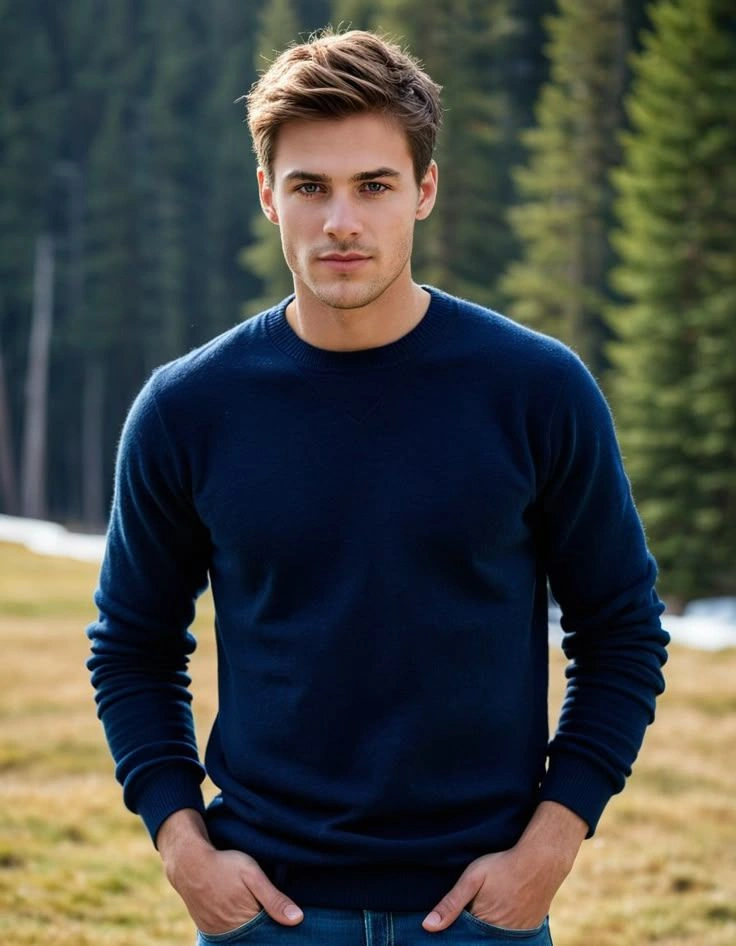
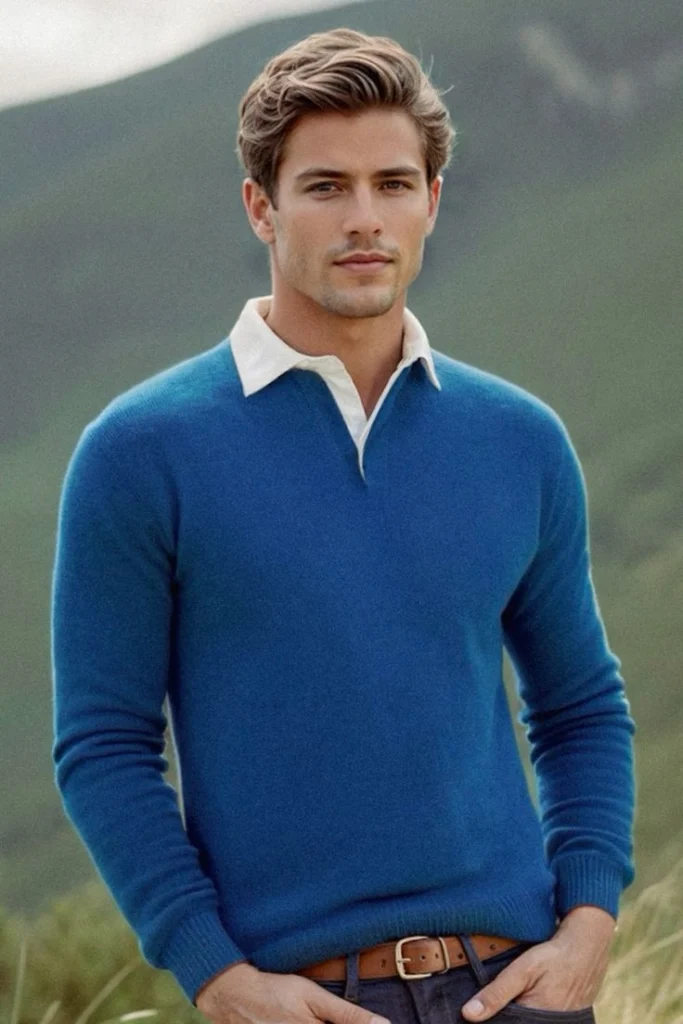
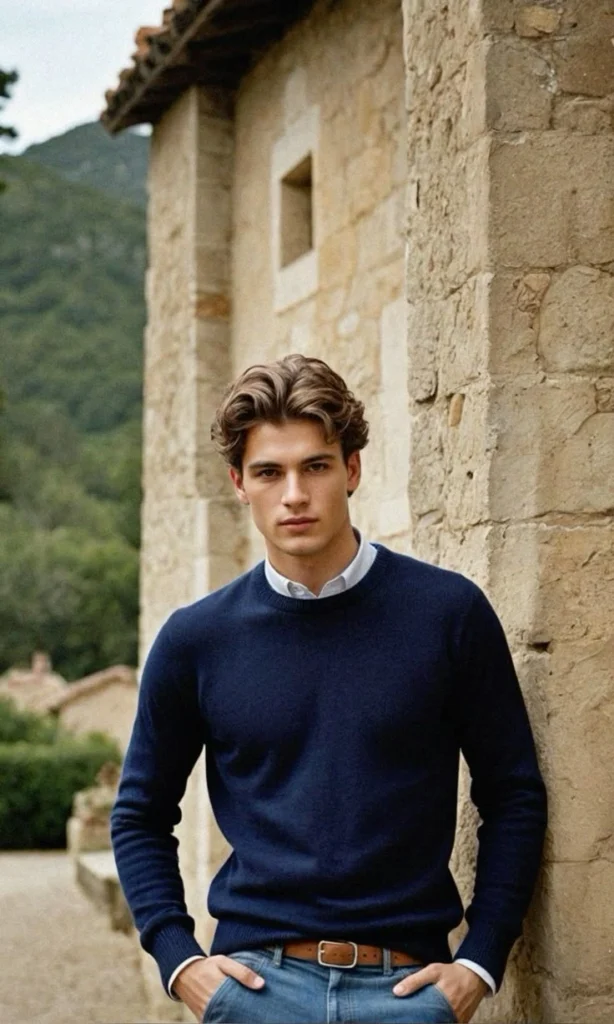
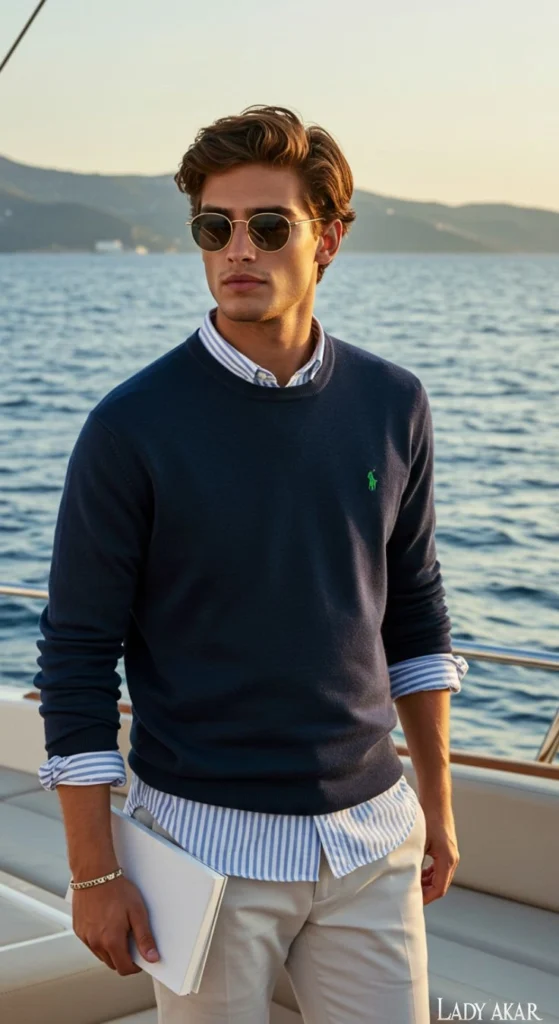
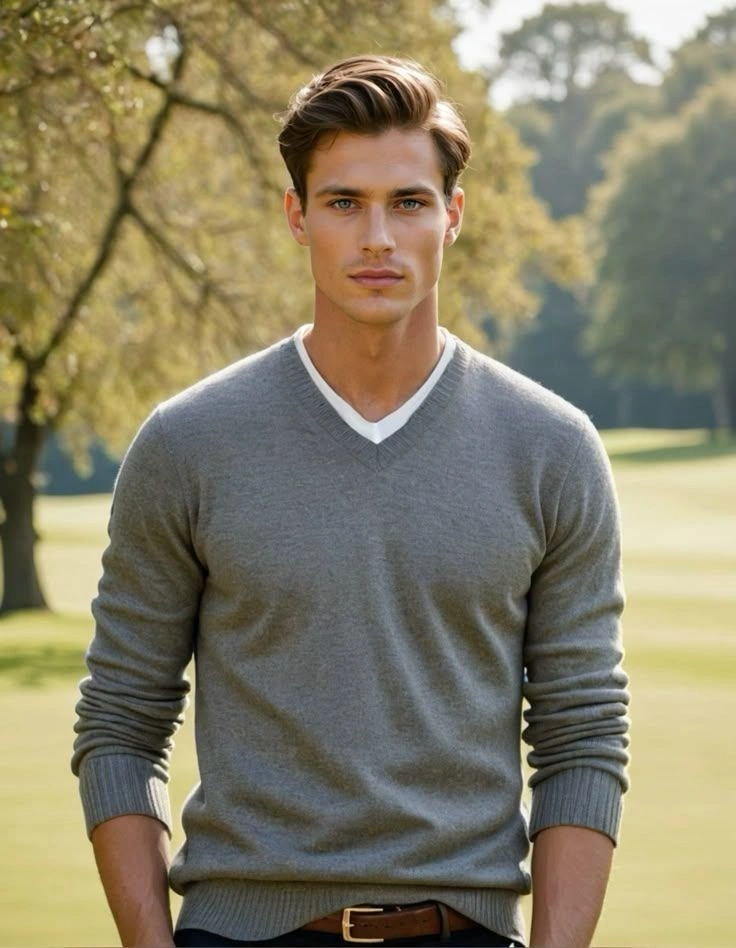
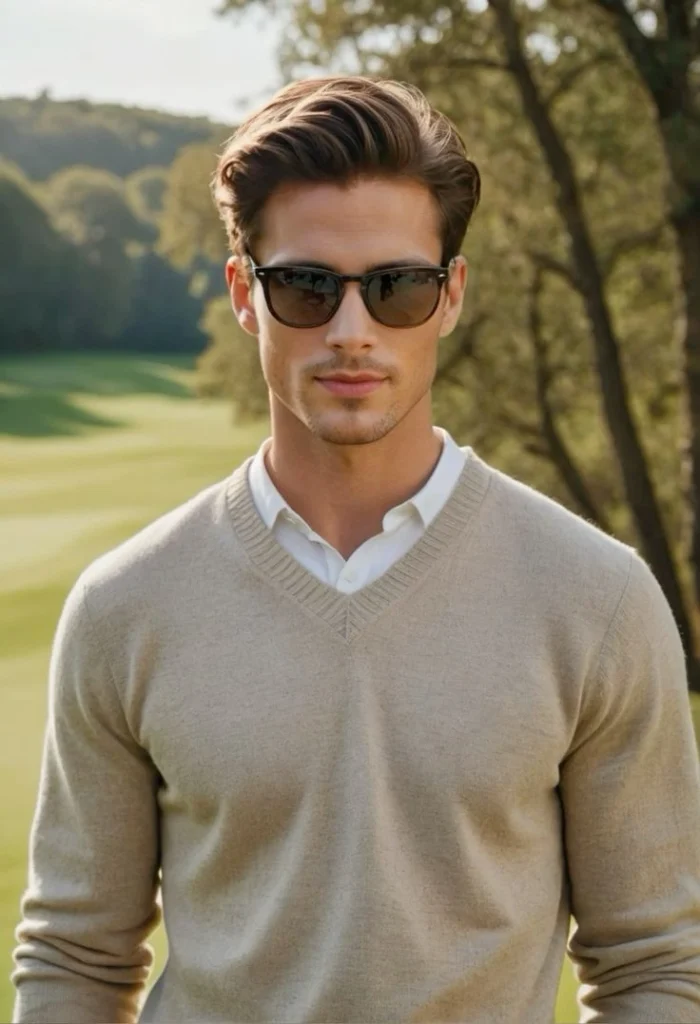
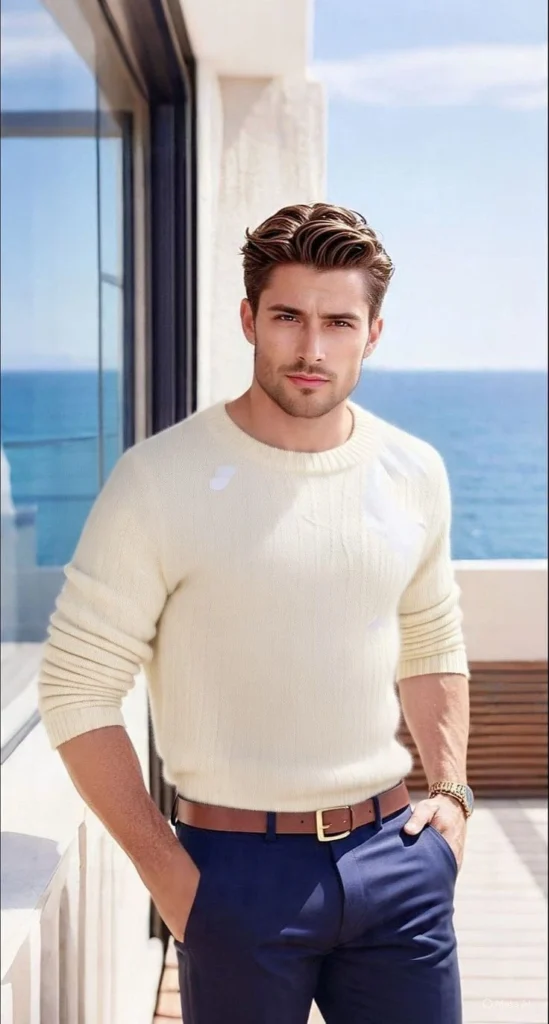
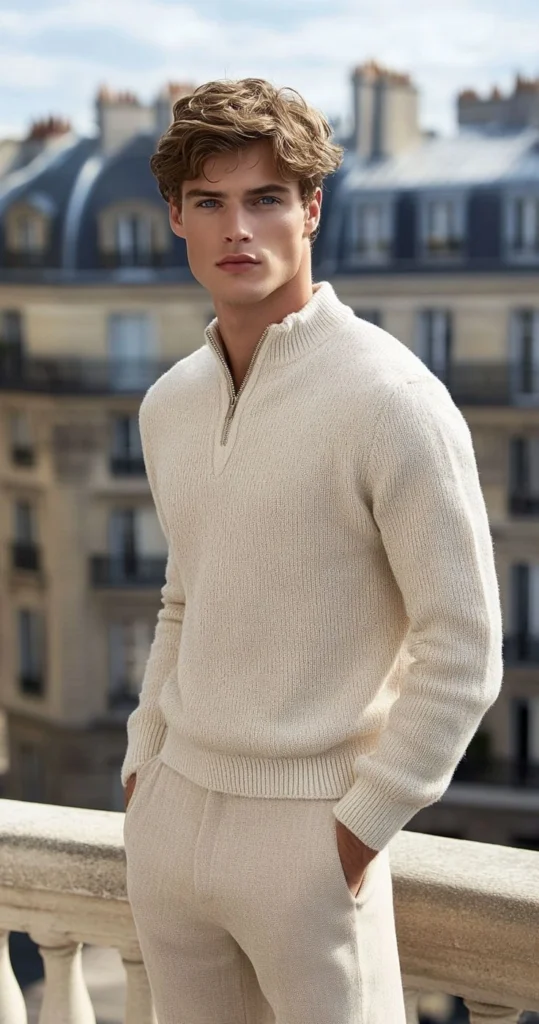
Gallery Inspiration:
Conclusion
The side part remains a timeless, sophisticated choice in men’s grooming in 2025. Its ability to flatter most face shapes and adapt to various aesthetics makes it universally appealing. Success requires choosing the right placement, maintaining regular trims, and mastering styling techniques. With proper care and appropriate products, the side part delivers consistent, elegant results that work anywhere.
Stay connected!
Follow us on social media for the latest men’s haircut trends, grooming tips, and style inspiration.
Are side parts coming back?
Side parts never truly left, but they’re experiencing renewed popularity. The classic styling has proven its staying power as a versatile, timeless option.
Should I do a side part or a middle part?
Choose based on face shape and preference. Side parts suit square and angular faces better, while middle parts work beautifully with oval faces. Both remain equally trendy in 2025.
Do side parts look good on round faces?
Yes, but opt for longer lengths that add vertical dimension. Avoid excessive volume on the sides, and style the part line higher on the head.